Picture this: your backyard barbecue is in full swing, guests are lining up at the drink station, and you glance at the cooler only to discover a sad puddle where your ice used to be. It’s a scenario every home entertainer dreads—and one that sends you scrambling to the nearest gas station with a bag-of-ice emergency. The modern home ice maker eliminates that panic entirely, delivering a steady supply of fresh ice on demand, right from your kitchen counter. But here’s the challenge: not every machine can keep up with the diverse needs of a well-planned event. Some produce only one shape, others freeze painfully slowly, and a few leave ice tasting like the inside of a freezer. This guide walks you through selecting a home ice maker that truly delivers on versatility, producing multiple ice styles quickly and reliably. We’ll focus on the features that matter most—fast freezing cycles that keep pace with thirsty crowds, a range of ice shapes to complement every beverage, and odor-free operation that ensures every cube tastes as clean as it looks. By the end, you’ll know exactly what to look for in a machine that makes hosting effortless.
Understanding Home Ice Maker Types and Capacities
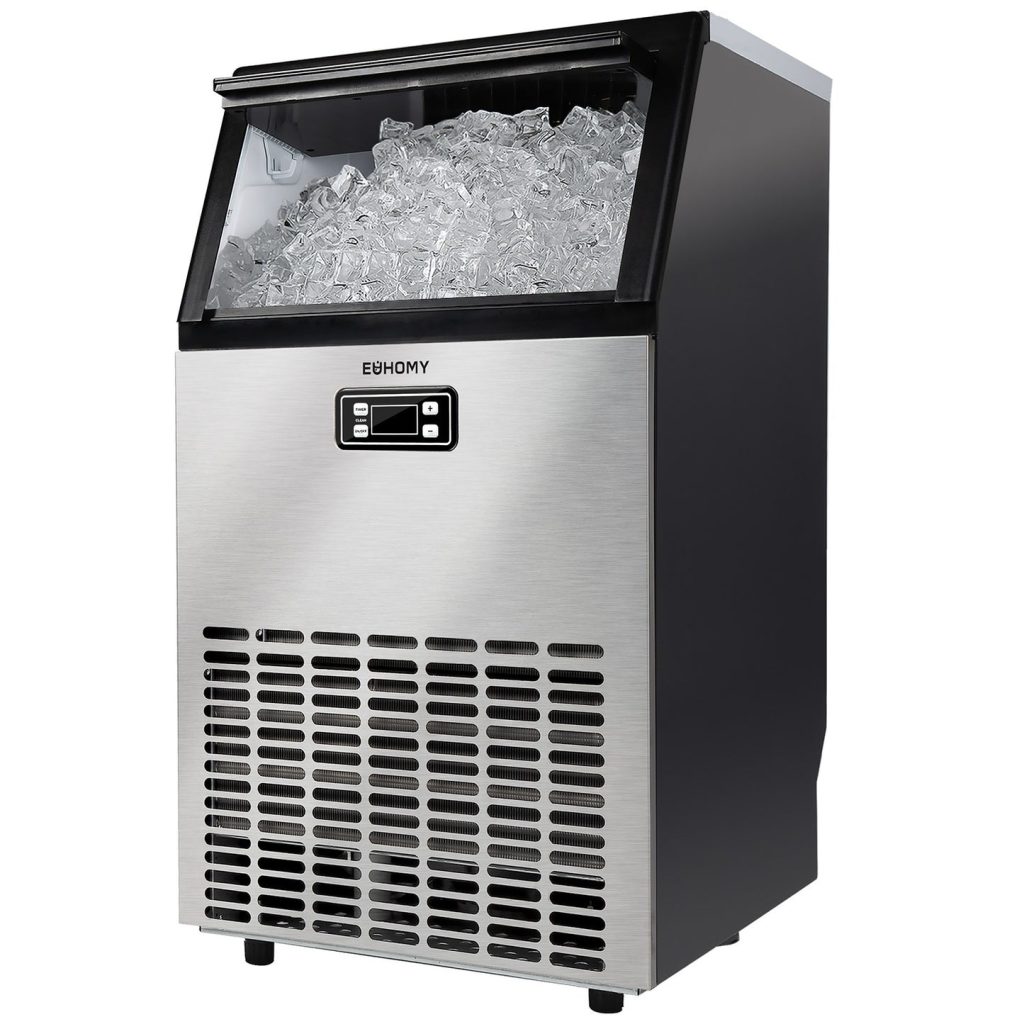
Home ice makers generally fall into two broad categories, and understanding the distinction is your first step toward a smart purchase. Portable countertop units are compact, require no installation, and simply need a power outlet and a water fill to get started. They’re ideal for renters, smaller kitchens, or anyone who wants flexibility to move the machine between the kitchen and an outdoor bar. Built-in or under-counter models, on the other hand, connect directly to a water line and tuck neatly beneath your cabinetry. They tend to offer larger storage bins and higher daily output, making them better suited for households that entertain frequently or on a grander scale.
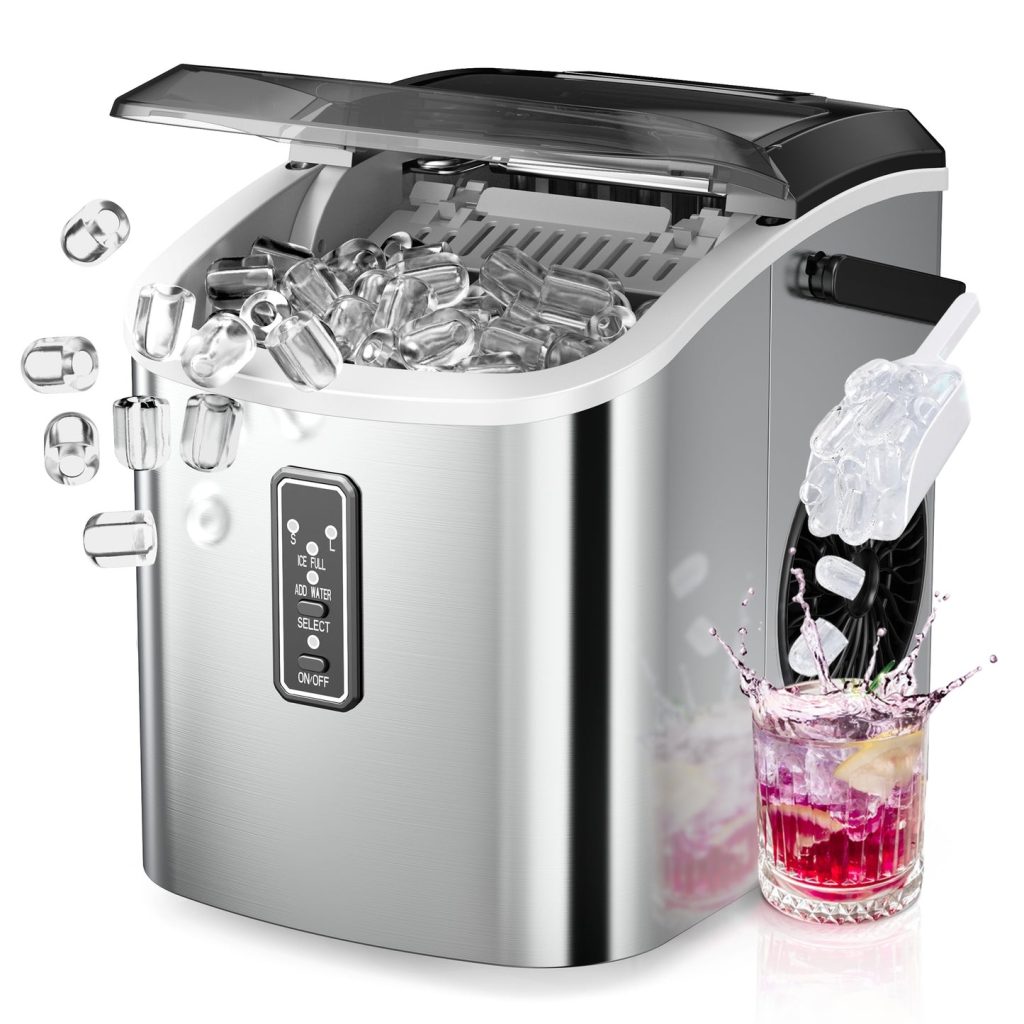
Daily production capacity—measured in pounds per day—is the single most important spec to match against your hosting habits. A machine producing around 26 pounds daily handles casual family use and small get-togethers comfortably, while large parties with 20 or more guests may demand 40 pounds or more. Storage bin size matters too, because even a high-output machine is only useful if it can hold enough finished ice between batches. Cycle time ties these factors together: some units complete a batch in as little as six to eight minutes, while others take considerably longer. Faster cycles mean the bin refills quickly when demand spikes. Beyond sheer volume, the real game-changer for versatile entertaining is a machine capable of producing multiple ice styles—different shapes and sizes from a single unit. This feature separates a basic ice maker from one that genuinely elevates your drink service, and it deserves a closer look.
Key Features for Fast Freezing and Multiple Ice Styles
Once you understand the basic categories and capacity specs, the next step is zeroing in on the features that separate a mediocre machine from one that genuinely performs under pressure. Three areas deserve your closest attention: freezing speed, ice style versatility, and the often-overlooked factor of taste and odor control. Each of these directly impacts how well your ice maker serves you during real-world entertaining.
Fast Freezing Technology Explained
The speed at which your ice maker completes a batch comes down largely to its cooling system. Compressor-based units work similarly to a refrigerator, using a refrigerant cycle to drop temperatures rapidly and consistently. These machines can produce a full batch of ice in as little as six minutes and maintain that pace across dozens of cycles without significant slowdown. They perform reliably even in warm ambient conditions—say, a garage setup during a July cookout—because the compressor actively fights rising temperatures. Thermoelectric coolers, by contrast, use electrical current to transfer heat and contain fewer moving parts, which makes them quieter and more energy-efficient at a baseline level. However, they freeze noticeably slower and struggle when the surrounding air is warm, making them less dependable for high-demand situations. For anyone who anticipates needing ice quickly and in volume—think unexpected guests or a cocktail hour that runs longer than planned—a robust compressor system is the feature worth prioritizing. It’s the engine behind every fast cycle time you’ll see advertised, and it makes the difference between keeping up with your party and falling behind.
Exploring the World of Multiple Ice Styles
Ice isn’t just frozen water when it comes to drink service—shape and size fundamentally change how a beverage looks, chills, and tastes. Bullet ice, characterized by its hollow cylindrical shape, is the most common output from portable machines. It chills drinks quickly because of its high surface-area-to-volume ratio and works well in everything from water glasses to iced coffee. Crescent-shaped ice, often found in built-in models, stacks neatly and displaces liquid efficiently, making it a restaurant favorite. Then there are full cubes in small and large sizes: small cubes cool rapidly and suit highballs and sodas, while large, slow-melting cubes are the gold standard for spirits served neat or on the rocks, where dilution control matters. Crushed ice rounds out the lineup, essential for frozen cocktails, juleps, and seafood displays.
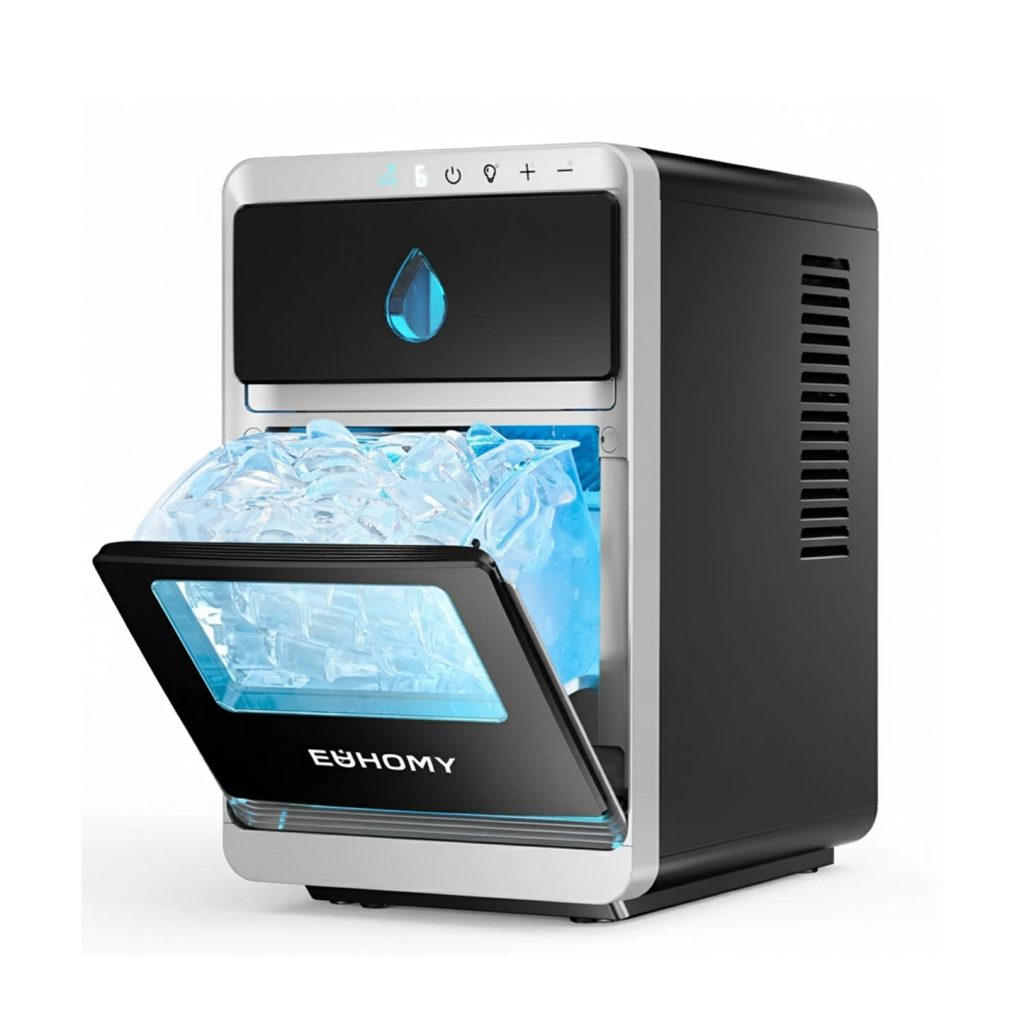
Machines that offer multiple styles achieve this through interchangeable mold trays, adjustable water-fill levels, or a built-in crushing mechanism that breaks formed ice into smaller pieces on demand. Brands like Euhomy have expanded their countertop lineups to include models with multiple size settings and self-cleaning functions, reflecting the growing consumer demand for versatility in a single unit. For event planners who serve a varied drink menu—perhaps a signature cocktail alongside a whiskey bar and a self-serve lemonade station—having at least two to three ice style options from a single machine eliminates the need for multiple appliances and keeps your counter space manageable. Matching ice to the beverage isn’t just a bartender’s trick; it’s a detail guests notice and appreciate.
Ensuring Odor-Free Ice Production
Nothing undermines a perfectly crafted drink faster than ice that carries a stale, plasticky, or freezer-burn taste. Odor-free operation starts with filtration—specifically, activated carbon filters integrated into the water intake line. These filters trap chlorine, sediment, and organic compounds before the water ever reaches the freezing chamber, resulting in ice that tastes clean and neutral. Beyond filtration, the materials the machine is built from matter significantly. Stainless steel interiors resist odor absorption far better than lower-grade plastics, and any plastic components that contact water should be certified BPA-free. Many quality models also include an automatic self-cleaning cycle that flushes the water lines and reservoir with a sanitizing rinse, preventing mineral buildup and mold growth inside hard-to-reach areas. Running this cycle regularly—typically once a week during heavy use—keeps every batch tasting as fresh as the first.
How to Select Your Ideal Home Ice Maker: A Step-by-Step Guide
With a solid understanding of the technology and features available, it’s time to translate that knowledge into a confident purchasing decision. The following three steps walk you through a practical framework that narrows the field quickly, ensuring the machine you choose aligns with your specific entertaining style and ice demands.
Step 1: Assess Your Event Scale and Ice Demand
Start by thinking honestly about how you entertain. A useful rule of thumb is that each guest consumes roughly one to one and a half pounds of ice over the course of an evening, though that number climbs if you’re serving blended drinks or setting up a self-serve cooler. For a typical dinner party of eight, you’d need around 10 to 12 pounds readily available, while a backyard gathering of 30 could burn through 40 pounds or more. Ask yourself a few pointed questions: Do you host weekly, monthly, or just a few times a year? Are your events casual afternoon hangouts or multi-hour evening affairs? Do you need ice for drinks only, or also for chilling platters and display bowls? Your answers establish a baseline daily production target and help you decide whether a portable unit meets your needs or a higher-capacity built-in model is the smarter long-term investment.
Step 2: Prioritize Your Must-Have Ice Styles
Next, think about what you actually serve. If your entertaining revolves around a signature cocktail bar, crushed ice and large slow-melting cubes should top your list. If you mostly host casual gatherings where guests pour their own sodas and iced teas, bullet or small cube ice handles the job perfectly. Map your typical beverage menu against ice styles: sparkling water and soft drinks pair well with bullet or crescent ice, spirits benefit from large cubes, and frozen blended drinks demand crushed ice. Aim for a machine that offers at least two to three style options so you’re covered across most scenarios without needing a second appliance. Write down your non-negotiable styles versus nice-to-haves—this short checklist becomes your filter when browsing models and prevents you from overpaying for options you’ll rarely use.
Step 3: Compare Models Based on Performance & Features
Once you’ve defined your capacity needs and preferred ice styles, build a simple comparison table for three to five shortlisted machines. Across the top, list the metrics that matter most: batch cycle time, number of ice styles offered, daily production capacity, storage bin volume, presence of a water filtration system, noise level in decibels, and ease of cleaning—including whether the unit has an automatic self-cleaning function. Down the side, list each model you’re considering. Filling in this grid side by side reveals trade-offs that aren’t obvious from reading individual product pages. A machine might boast the fastest cycle time but produce only one ice shape, while another offers three styles but holds a smaller bin. Pay special attention to noise ratings if the unit will sit on a kitchen counter during conversation-heavy events; anything under 40 decibels is generally unobtrusive. Also check whether replacement filters and parts are widely available, since long-term usability depends on accessible maintenance supplies. The model that checks the most boxes across your personalized criteria—not just the one with the longest feature list—is the right choice for your home.
Maintenance Tips for Long-Term Performance and Odor-Free Ice
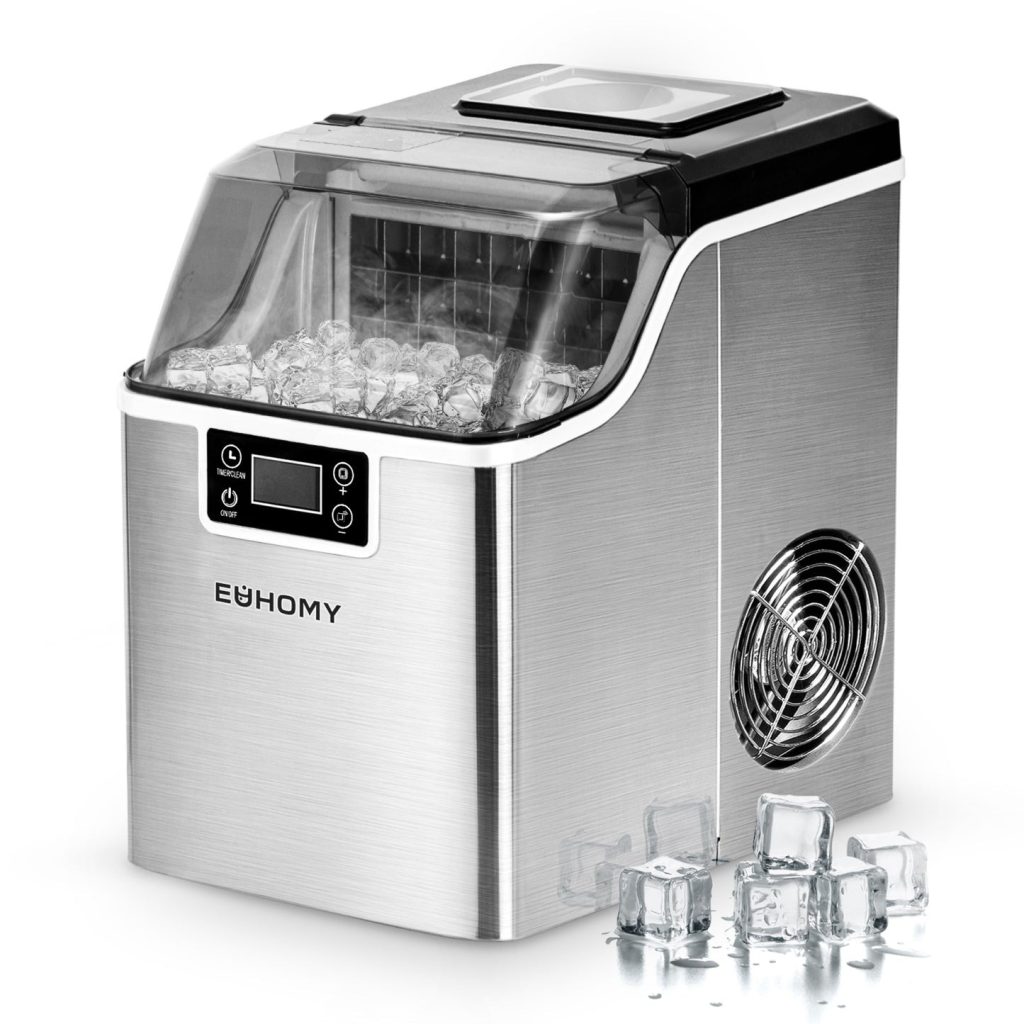
Even the best ice maker will underperform if you neglect routine upkeep, and maintenance doesn’t have to be complicated to be effective. Start with your water filter: most activated carbon filters need replacing every three to six months, depending on usage volume and local water hardness. Mark the replacement date on your calendar or set a phone reminder so you never let a spent filter compromise ice taste. Descaling is equally important, especially in areas with hard water. Mineral deposits gradually coat internal components, slowing freeze times and harboring bacteria. Run a descaling solution—white vinegar diluted with water works in a pinch, though manufacturer-recommended descalers are more thorough—through the system every two to three months during regular use.
The ice bin and water reservoir deserve hands-on attention at least every two weeks. Empty the bin, wash it with warm soapy water, rinse thoroughly, and dry it before reinstalling. Wipe down the reservoir with a soft cloth to remove any film or residue. If your machine includes an automatic self-cleaning cycle, activate it weekly during periods of heavy use to flush internal lines and prevent mold from gaining a foothold. When you know the machine will sit idle for an extended stretch—say, after summer entertaining season winds down—drain all water completely, leave the lid open to air-dry the interior for 24 hours, and store the unit in a cool, dry space. These straightforward habits protect your investment, keep every batch of ice tasting pristine, and ensure the machine is ready to perform the moment your next gathering calls for it.
Making Every Gathering Effortless With the Right Ice Maker
Selecting the right home ice maker for multiple ice styles comes down to four interconnected criteria: capacity that matches your entertaining scale, freezing speed that keeps pace with real-time demand, versatility across at least two to three ice shapes, and hygienic design that guarantees every piece of ice tastes clean and fresh. When these elements align, your machine stops being just another kitchen appliance and becomes a genuine asset—one that quietly handles a critical detail so you can focus on your guests, your menu, and the atmosphere you’ve worked to create. The step-by-step framework outlined above gives you a repeatable process for evaluating any model on the market: calculate your ice demand honestly, identify the styles your beverage lineup requires, and then compare shortlisted machines side by side on the performance metrics that matter most to your situation. Pair that informed purchase with consistent maintenance habits—regular filter swaps, periodic descaling, and weekly cleaning cycles—and you’ll get years of dependable, odor-free ice production from a single investment. The next time you host, instead of making that last-minute dash for bagged ice, you’ll simply press a button and let the machine do what it was built to do while you enjoy the party alongside your guests.
