Home fitness has never been more popular, yet millions of people still struggle with the same frustrating cycle: a few weeks of motivation, followed by boredom, plateaus, and eventually abandoned equipment gathering dust in the corner. Without proper guidance or variety, even the most dedicated home gym enthusiast can lose momentum fast.
That’s where the smart home gym system changes everything. By combining intelligent technology with adaptive training tools, these systems transform your home workout space into a fully guided, personalized fitness studio. Whether you’re targeting strength gains, improving flexibility, or building endurance, smart systems integrate sensors, AI coaching, and real-time feedback to deliver results that traditional setups simply can’t match.
In this article, we’ll break down exactly what a smart home gym system is, explore how it addresses each pillar of fitness, and walk through practical solutions for setting up and customizing your own. From adaptive training modes to step-by-step setup guidance, you’ll discover how to maximize your home workouts and stay consistently engaged — no matter your current fitness level.
What is a Smart Home Gym System? An Overview
A smart home gym system is an integrated fitness setup that combines connected equipment, digital coaching, and data-driven programming to deliver a guided workout experience within your own space. Unlike a traditional home gym — which typically offers static equipment with no feedback — a smart system creates a dynamic environment that responds to your performance and evolves alongside your progress.
At its core, a smart home gym typically includes components like AI-powered fitness mirrors, connected resistance machines, smart dumbbells or kettlebells, and companion apps that tie everything together. Brands like AEKE have developed ecosystems where these components communicate seamlessly, giving users a cohesive training experience rather than a collection of disconnected devices. Many systems also incorporate motion sensors or cameras that analyze your form in real time, alerting you to posture issues before they lead to injury. Some platforms even feature virtual trainers that coach you through sessions, making adjustments based on how you’re performing that day.
What truly sets these systems apart is personalization. Traditional setups rely entirely on your own knowledge and discipline. Smart systems, by contrast, collect data on your reps, range of motion, heart rate, and recovery patterns to generate workouts tailored specifically to you. This data-driven approach eliminates guesswork, keeps routines fresh, and ensures you’re always training at the right intensity — addressing two of the most common reasons home gym users quit: lack of variety and absence of proper guidance.
Key Components for Effective Training: Strength, Flexibility, and Endurance
Strength Training with Smart Technology
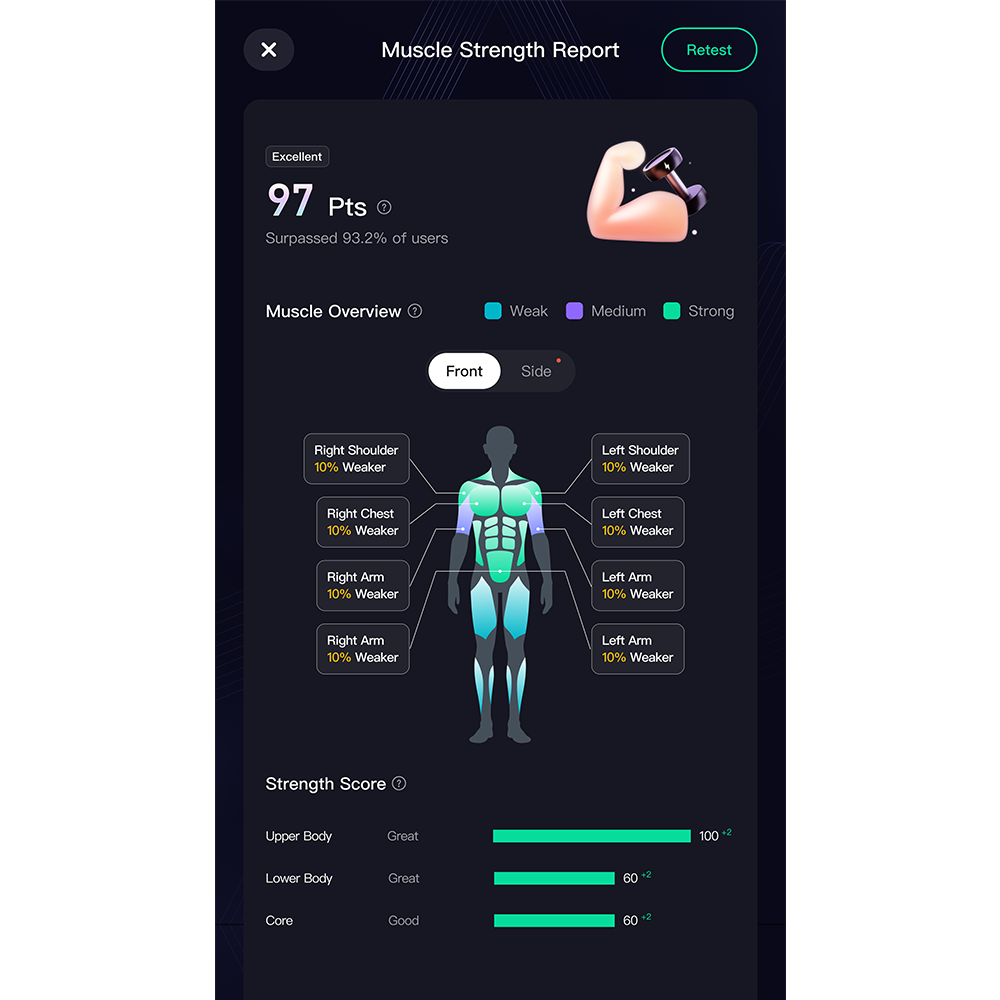
Smart systems bring a level of precision to strength training that traditional equipment simply can’t replicate. Connected resistance machines and smart dumbbells automatically adjust load based on your target rep range and fatigue levels, ensuring progressive overload happens consistently rather than by guesswork. Built-in sensors track your range of motion and bar path during exercises like squats, deadlifts, and overhead presses, delivering instant form feedback through your paired app or mirror display. This real-time correction reduces injury risk while reinforcing proper mechanics, so every set counts toward measurable strength gains rather than reinforcing bad habits.
Improving Flexibility through Guided Sessions
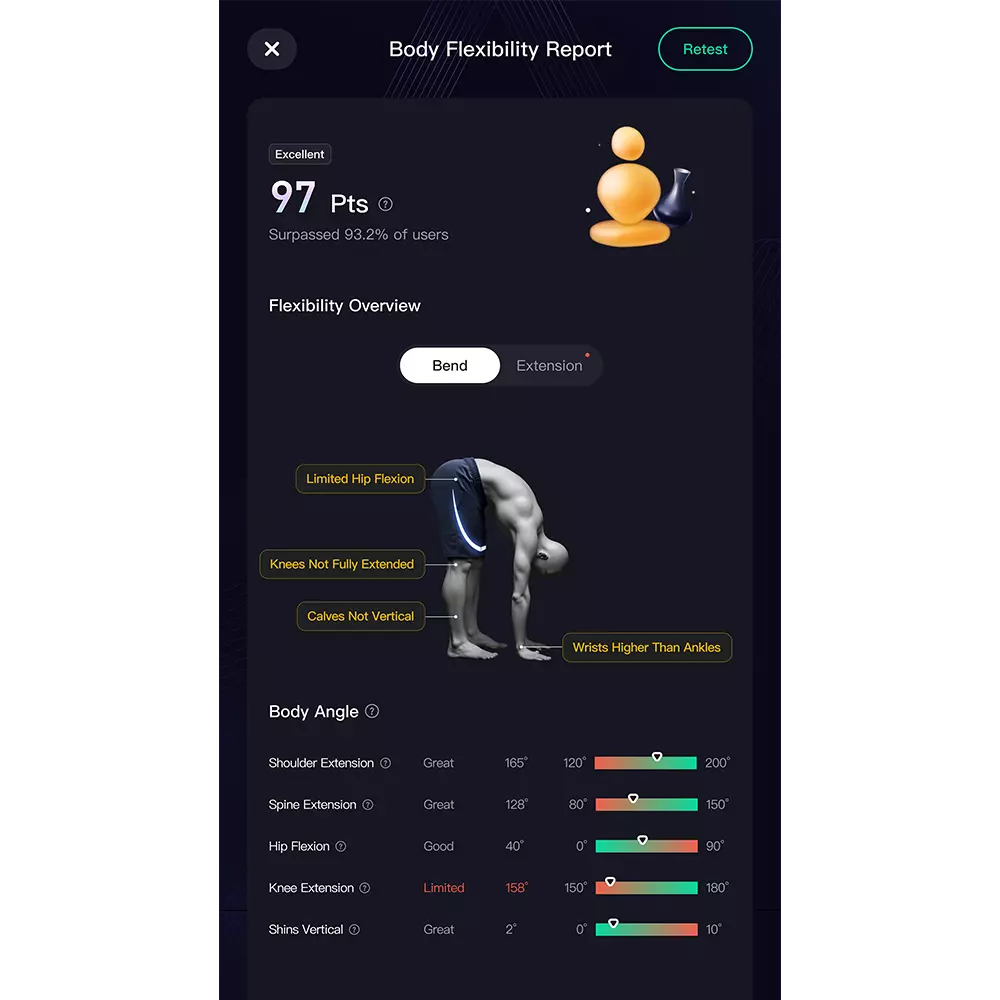
Flexibility is often the most neglected fitness pillar in home training, largely because it’s hard to self-correct without a mirror or coach. Smart systems address this directly through guided yoga and stretching routines that use motion sensors or camera-based tracking to assess your posture in real time. If your hip alignment drifts during a pigeon pose or your shoulders round in a forward fold, the system flags it immediately. Video tutorials with on-screen overlays help you visualize target positions, while session logs track your range-of-motion improvements over weeks, giving you concrete evidence that your flexibility work is actually paying off.
Endurance Training with Adaptive Programs
Building stamina at home used to mean mindless treadmill sessions with no structure. Smart systems replace that with interval training modules that adjust intensity dynamically based on your heart rate data and performance history. Whether you’re cycling through HIIT circuits or following a progressive cardio program, the system monitors output metrics like pace, power, and recovery time to fine-tune each session. If your performance drops below a threshold mid-workout, the program automatically scales back intensity to keep you in the optimal training zone — building endurance efficiently without the burnout that comes from pushing too hard too soon.
Adaptive Training Modes: Personalizing Your Workout Experience
One of the most powerful features of a smart home gym system is its ability to meet you exactly where you are — and grow with you over time. Adaptive training modes are AI-driven programs that continuously analyze your fitness level, stated goals, and session-by-session progress to generate workouts that are always appropriately challenging, never stale.
Most platforms offer distinct modes tailored to experience level. Beginner modes prioritize foundational movement patterns, lower intensity, and frequent form cues to build confidence and reduce injury risk. Intermediate modes introduce progressive overload principles, compound movements, and more complex interval structures. Advanced modes push performance boundaries with periodization cycles, heavier loading protocols, and sport-specific conditioning. Beyond these tiers, many systems also include dedicated recovery modes — guided mobility sessions, active rest days, and deload weeks — that the AI schedules automatically when your performance data signals accumulated fatigue.
What keeps users consistently engaged is the automatic routine variation these modes provide. Rather than repeating the same workout week after week, the system rotates exercise selection, adjusts volume and intensity, and introduces new movement challenges based on your logged performance. This prevents both physical adaptation plateaus and the mental fatigue that comes from repetitive training — two factors that derail most home gym routines long before meaningful results appear.
Solutions for Home Gym Users: Achieving Variety and Proper Guidance
Step-by-Step Guide to Setting Up Your Smart Home Gym for Maximum Variety
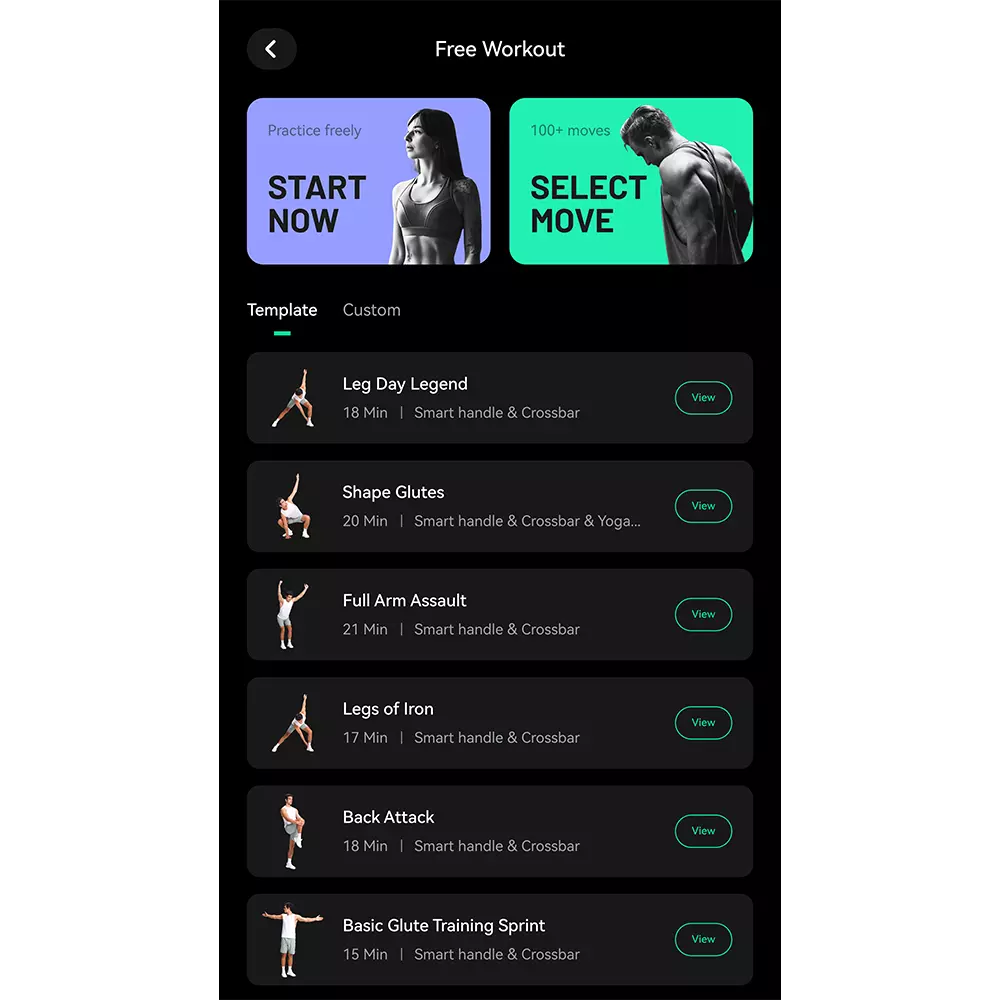
Building a smart home gym that actually keeps you engaged starts with honest planning. First, assess your available space and budget — a 10×10 foot area is enough for most smart systems, and knowing your spending ceiling helps you prioritize which connected devices deliver the most value. Second, choose compatible equipment that works within a unified ecosystem: a smart mirror or display hub, adjustable connected weights, and a resistance band or cable system cover the majority of training needs without overcrowding your space. Third, integrate a platform with a broad workout library — look for apps offering hundreds of sessions across strength, yoga, HIIT, and mobility so you’re never recycling the same routine. Finally, schedule weekly blocks that rotate deliberately between strength, flexibility, and endurance sessions. Most companion apps let you build custom weekly templates, so set them up in advance and let the system handle daily variation automatically.
How to Adjust Workouts for Different Fitness Levels Using Smart Systems
The adjustment process begins before your first workout. Use your system’s initial fitness assessment — typically a short movement screen and questionnaire — to establish a baseline that the AI uses to calibrate starting intensity and exercise complexity. From there, lean on adaptive modes to handle automatic progression; you don’t need to manually calculate load increases because the system tracks your rep performance and adjusts accordingly. When you want more control, most apps provide manual override options: sliders for session duration, intensity percentage, and rest intervals let you fine-tune any given workout on the fly. The most important step is closing the feedback loop — review your weekly performance summaries and flag sessions that felt too easy or too taxing. This input trains the AI to refine its recommendations, making each subsequent week’s programming more precisely matched to where you actually are, not just where the algorithm assumes you should be.
Benefits of Integrating Smart Systems into Your Home Gym Routine
Smart home gym systems deliver advantages that extend well beyond convenience. Time efficiency stands out immediately — AI-curated sessions eliminate the planning overhead that often becomes an excuse to skip workouts, so you move from intent to action faster. Motivation gets a significant boost through gamification features like achievement badges, leaderboards, and streak tracking, which tap into the same reward mechanisms that make consistency feel rewarding rather than obligatory. Comprehensive health tracking consolidates heart rate trends, strength progression, flexibility benchmarks, and recovery metrics into a single dashboard, giving you a complete picture of your fitness that isolated equipment never could. Over time, this also translates to real cost savings: replacing gym memberships, personal training fees, and multiple single-purpose machines with one integrated system pays for itself steadily. Most importantly, smart systems directly solve the two problems that end most home fitness efforts — the monotony of repetitive routines and the uncertainty of training without expert guidance — keeping you engaged and progressing long after the novelty of a traditional home gym would have worn off.
The Future of Home Fitness Starts Now
Smart home gym systems represent a genuine leap forward in how we approach fitness at home. By weaving together AI coaching, adaptive equipment, and real-time feedback, these systems deliver a holistic training experience that covers all three pillars — strength, flexibility, and endurance — under one roof and one platform.
More importantly, they solve the two problems that derail most home fitness efforts before results ever appear: the monotony of repetitive routines and the uncertainty of training without expert guidance. Through adaptive modes that evolve with your progress, diverse workout libraries that keep sessions fresh, and data-driven adjustments that match your actual fitness level, smart systems give you every tool needed to stay consistent and keep improving.
If you’ve struggled to maintain momentum with a traditional home setup, now is the time to explore what a smart system can do differently. Start small — even one connected device paired with a quality coaching platform can transform how you train. As home fitness technology continues to advance, with equipment makers like AEKE pushing the boundaries of what connected gear can do, systems will only become more intuitive, more personalized, and more effective. The future of home training is already here; the only step left is making it yours.
