Coffee enthusiasts understand that achieving the perfect cup requires more than just quality beans—it demands precision at every step of the brewing process. Yet many home brewers face a frustrating reality: their coffee tastes stale, flat, or inconsistent, despite using premium beans. The culprit often lies in how coffee is ground and stored before brewing. Traditional grinders retain old grounds in their chambers, mixing fresh coffee with oxidized particles that diminish flavor. Additionally, inconsistent particle sizes lead to uneven extraction, resulting in cups that taste either over-extracted and bitter or under-extracted and sour. Single-dose grinders revolutionize this experience by grinding only what you need, precisely when you need it. This approach eliminates stale grounds, preserves delicate aromatic compounds, and ensures uniform grind consistency. Throughout this article, we’ll explore how single-dose grinders become your secret weapon for flavor preservation, examining the science behind their effectiveness, the critical features to prioritize, and the practical techniques that transform your daily brew into an exceptional experience. Discover how this equipment investment pays dividends in every cup.
Why Single-Dose Grinders Are Essential for Flavor Preservation
Coffee’s most delicate and desirable flavors exist in volatile aromatic compounds that begin degrading the moment beans are ground. When you expose freshly ground coffee to air, oxidation accelerates rapidly, transforming bright, nuanced notes into flat, stale tastes within hours. Single-dose grinders address this fundamental challenge by grinding only the exact amount needed for immediate brewing, minimizing the time between grinding and extraction. This approach dramatically reduces your coffee’s exposure to oxygen and light, two primary enemies of flavor preservation. Traditional batch grinders present a hidden problem: residual grounds from previous sessions remain trapped in the burr chamber, mixing with your fresh coffee. These old particles have already begun degrading, introducing bitter, rancid flavors that overshadow the quality of premium beans. By contrast, single-dosing eliminates this contamination entirely, ensuring each cup contains only fresh, properly extracted coffee. The preservation of volatile compounds directly translates to more vibrant acidity, cleaner body, and the complex flavor notes that distinguish exceptional coffee from mediocre brews. Whether you’re grinding for espresso’s intensity or pour-over’s clarity, single-dose grinders protect the investment you’ve made in quality beans. This method transforms grinding from a routine step into a precision practice that honors your coffee’s true potential and delivers noticeably superior flavor in every cup you brew.
The Critical Role of Grind Consistency in Coffee Taste
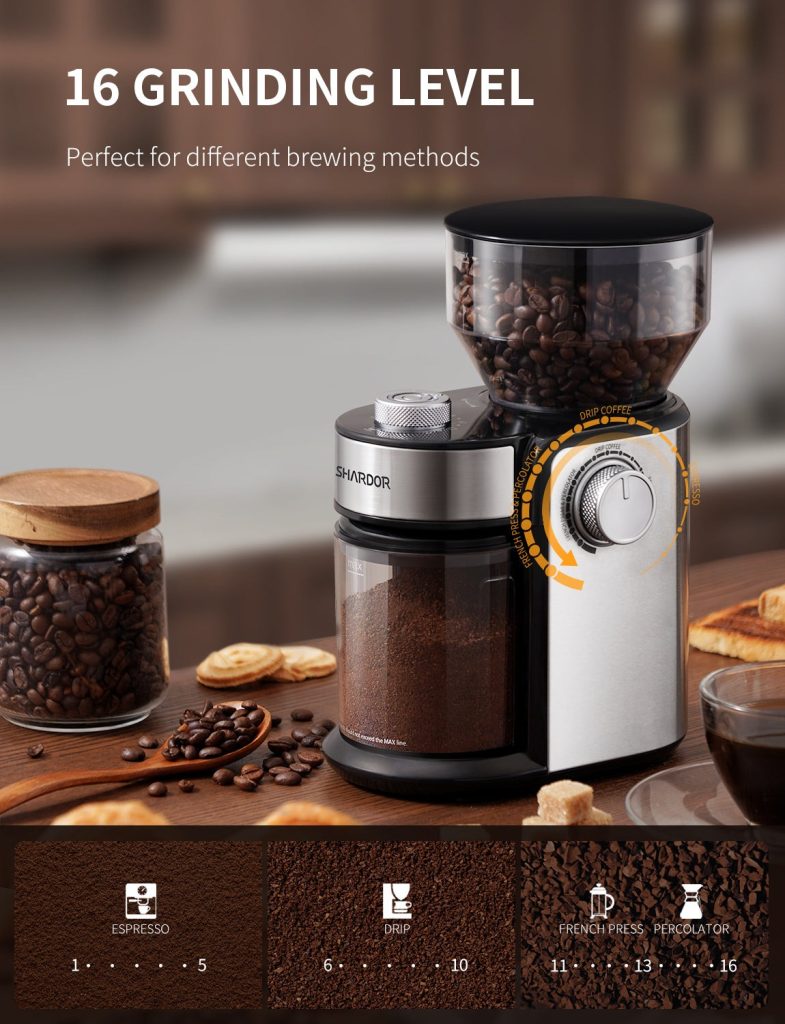
Grind consistency represents one of the most overlooked yet powerful factors in coffee flavor extraction. When coffee particles are uniform in size, water passes through them at a predictable rate, extracting desirable compounds evenly and completely. Conversely, uneven particle sizes create a chaotic brewing environment where small fragments over-extract quickly while larger pieces under-extract, resulting in a muddled cup lacking clarity and balance. The science is straightforward: coffee flavor extraction depends on precise contact time between water and grounds. Uniform particles ensure this contact remains consistent across your entire brew, unlocking the full spectrum of your coffee’s intended taste profile. Single-dose grinders excel at delivering this consistency because they’re engineered specifically for precision rather than volume production. Each grind produces particles of remarkably similar size, eliminating the fines and boulders that plague batch grinders. This uniformity becomes especially critical when brewing methods demand particular grind profiles—espresso requires extremely fine, consistent particles for proper pressure development, while pour-over methods need medium consistency to prevent channeling. Without grind uniformity, even the finest beans cannot express their true character. The difference between consistent and inconsistent grinding often determines whether your coffee tastes vibrant and complex or flat and one-dimensional, making this feature absolutely essential for anyone serious about maximizing their coffee investment.
How Inconsistent Grinding Leads to Bitter or Sour Notes
Inconsistent particle sizes directly cause the two most common flavor complaints among home brewers: bitterness and sourness. When your grinder produces particles of varying sizes, the smaller fragments extract too quickly, releasing harsh tannins and bitter compounds that dominate the cup’s profile. Meanwhile, larger particles fail to extract completely, leaving behind acidic, sour notes that create an unbalanced, unpleasant finish. Consider espresso brewing: if your grinder creates uneven particles, some will pack tightly while others leave gaps, causing water to rush through certain areas while stalling in others. This channeling produces a shot that’s simultaneously over-extracted in some zones and under-extracted in others—a confusing mess of flavors that obscures your coffee’s true character. Pour-over methods suffer similarly; inconsistent grinds lead to uneven water flow rates, with fines creating muddy flavors while larger particles contribute thin, sour notes. French press brewing amplifies these issues because immersion time is fixed—you cannot adjust extraction mid-brew. With uneven particles, you’re stuck with whatever combination of over and under-extraction occurs, typically resulting in a cup that tastes muddy and astringent. Single-dose grinders eliminate these problems by producing particles so uniform that extraction happens predictably and completely, ensuring balanced flavor regardless of brewing method and transforming your coffee experience entirely.
Key Coffee Grinder Features to Look for in a Single-Dose Model
Selecting the right single-dose grinder requires understanding which features directly impact flavor preservation and consistency. Burr type stands as the foundation of grinder performance, with flat burrs and conical burrs each offering distinct advantages. Flat burrs produce exceptionally uniform particle sizes, making them ideal for espresso and other extraction methods demanding precision. Conical burrs operate more gently on beans, generating less heat during grinding—a crucial consideration since heat degrades volatile aromatic compounds that define your coffee’s flavor profile. Low retention design represents another essential feature; this refers to how minimal ground coffee remains trapped in the grinder’s chamber after dispensing. A truly low-retention grinder ensures virtually no old grounds contaminate your fresh dose, preserving the purity that makes single-dosing effective. Precise adjustment mechanisms allow you to fine-tune grind size incrementally, accommodating different brewing methods and coffee origins without guesswork. Look for stepless or micro-stepped adjusters that enable subtle modifications between grinds. Durability factors matter significantly—quality construction materials and robust burr systems withstand years of regular use while maintaining consistency. Ease of cleaning directly influences your ability to maintain optimal performance; removable burr carriers and accessible chambers prevent residue buildup that compromises flavor over time. Brands like SHARDOR have established themselves by prioritizing these exact specifications, designing grinders that balance precision engineering with practical usability for home brewers. Finally, consider noise levels and grinding speed, as rapid grinding generates unnecessary heat. These combined features work together to deliver the grind consistency and freshness that transform your coffee from ordinary to exceptional, making your investment worthwhile through noticeably superior cups day after day.
Practical Steps to Maximize Flavor with Your Single-Dose Grinder
Step 1: Preparation and Bean Management
Begin by sourcing fresh beans roasted within the past two to three weeks, as freshness dramatically impacts the flavors you’ll preserve. Store your beans in an airtight container away from direct sunlight, heat, and moisture—a cool, dark cupboard works perfectly. Before each grinding session, measure your beans by weight rather than volume, using a simple kitchen scale to ensure consistency across brews. Weigh out exactly the amount needed for your specific brewing method; for espresso, this might be 18-20 grams, while pour-over typically requires 15-30 grams depending on your preferred strength. This precision eliminates waste and ensures you’re grinding only what you’ll immediately use, maximizing the freshness advantage that single-dosing provides. Clean your grinder’s chamber thoroughly before adding fresh beans, removing any residual grounds or oils from previous sessions. A soft brush works well for this purpose, preventing contamination that would compromise your coffee’s pure flavor. Allow your grinder to cool for a few minutes if you’ve recently used it, as residual heat can degrade volatile compounds in freshly added beans. These preparation steps establish the foundation for successful single-dosing, setting the stage for optimal flavor extraction.
Step 2: Optimizing Grind Settings and Operation
Start by calibrating your grinder’s adjustment mechanism for your preferred brewing method, referencing your grinder’s guidelines or experimenting with small adjustments until you achieve the desired particle size. Make micro-adjustments incrementally rather than dramatic changes, as even slight modifications significantly impact extraction. Once you’ve established your baseline setting, maintain consistency by marking your preferred positions with tape or noting the adjustment number for future reference. When grinding, pour your measured beans into the hopper and activate the grinder, listening for a consistent grinding sound that indicates even burr engagement. Most single-dose grinding takes 15-30 seconds depending on grind size and grinder design; avoid prolonged grinding sessions that generate excessive heat. If your grinder features a timer, use it to maintain consistent grinding duration across sessions. Minimize static buildup by lightly misting your beans with water a few hours before grinding, or by running a humidifier in your kitchen—static causes grounds to cling to the grinder’s chamber, reducing yield and introducing inconsistency. After grinding, immediately transfer your grounds to your brewing device without delay, preserving the aromatic compounds you’ve worked to protect. This operational discipline ensures each grind session produces maximum flavor potential in your final cup.
Step 3: Post-Grinding Best Practices
Transfer your freshly ground coffee to your brewing device within seconds of grinding, as oxidation accelerates rapidly once grinding stops. For espresso machines, distribute the grounds evenly in your portafilter using a distribution tool or gentle stirring motion, ensuring uniform density that promotes balanced extraction. For pour-over methods, pour grounds into your filter immediately and begin your bloom phase right away, minimizing air exposure. After brewing, clean your grinder thoroughly to prevent residue accumulation that compromises future grinds. Remove the burr carrier if your grinder allows, brushing away all ground particles and dried oils that can become rancid and contaminate subsequent sessions. Run a few grinds of rice or specialized grinder-cleaning pellets through your machine to absorb remaining oils, then discard. Wipe the exterior and chamber with a dry cloth, ensuring no moisture remains. Establish a weekly deep-cleaning routine where you completely disassemble removable components and wash them gently, then reassemble once fully dry. Monitor your coffee’s flavor outcomes after each brew, noting any changes in taste, body, or aroma that might indicate grinder calibration drift or buildup. Keep brief notes about grind settings, bean origins, and resulting flavors, helping you identify patterns and refine your technique over time. This systematic approach transforms grinding from a casual step into a deliberate practice that continuously elevates your coffee experience.
Advanced Tips for Coffee Enthusiasts to Refine Their Technique
Once you’ve mastered the fundamentals of single-dose grinding, exploring advanced techniques elevates your coffee experience to new heights. Experimenting with grind profiles tailored to different coffee origins unlocks unique flavor characteristics that standard approaches often miss. Ethiopian coffees, for instance, often shine with slightly coarser grinds that emphasize their fruity acidity, while dense Brazilian beans benefit from finer, more uniform particles that extract their chocolatey sweetness fully. Keep detailed records of which origins perform best at specific grind settings, building a personalized reference guide that transforms guesswork into precision. Regular grinder calibration prevents drift that gradually degrades consistency over months of use. Establish a monthly routine where you grind a test batch and evaluate particle uniformity under good lighting, making micro-adjustments if you notice size variation. Invest in supplementary tools like distribution tools or WDT (Weiss Distribution Technique) needles for espresso, as these enhance extraction evenness beyond what grind consistency alone achieves. Maintain a brewing journal documenting your bean origins, grind settings, water temperature, brew time, and resulting flavor notes. This practice reveals patterns connecting specific variables to taste outcomes, enabling deliberate refinements rather than random experimentation. Over time, this systematic approach transforms your single-dose grinder from a simple tool into a precision instrument that consistently delivers exceptional cups, justifying your investment through noticeably superior coffee experiences that rival specialty café quality.
Transform Your Coffee with Precision Grinding
Single-dose grinders represent a fundamental shift in how serious coffee enthusiasts approach their daily brew, transforming grinding from a routine task into a precision practice that honors quality beans. By eliminating stale grounds, minimizing oxidation, and delivering exceptional grind consistency, these grinders address the core challenges that prevent most home brewers from achieving café-quality results. The science is clear: uniform particle sizes ensure balanced extraction, while fresh grounds preserve the volatile aromatic compounds that define exceptional coffee flavor. Throughout this article, we’ve explored why single-dosing matters, examined the critical features that distinguish effective grinders, and provided practical steps you can implement immediately to elevate your coffee experience. From careful bean preparation and calibrated grind settings to post-grinding best practices and advanced refinement techniques, each element contributes to maximizing your investment in quality equipment and premium beans. The journey toward perfect coffee extraction doesn’t require complicated equipment or obscure knowledge—it demands consistency, attention to detail, and the right tools working together. As you implement these practices, you’ll notice immediate improvements in flavor clarity, complexity, and balance that make every cup more enjoyable. Your single-dose grinder becomes the bridge between quality beans and exceptional extraction, delivering the vibrant, nuanced coffee experience you’ve been seeking. Embrace this systematic approach, and discover how precision in grinding unlocks the full potential of your coffee.
