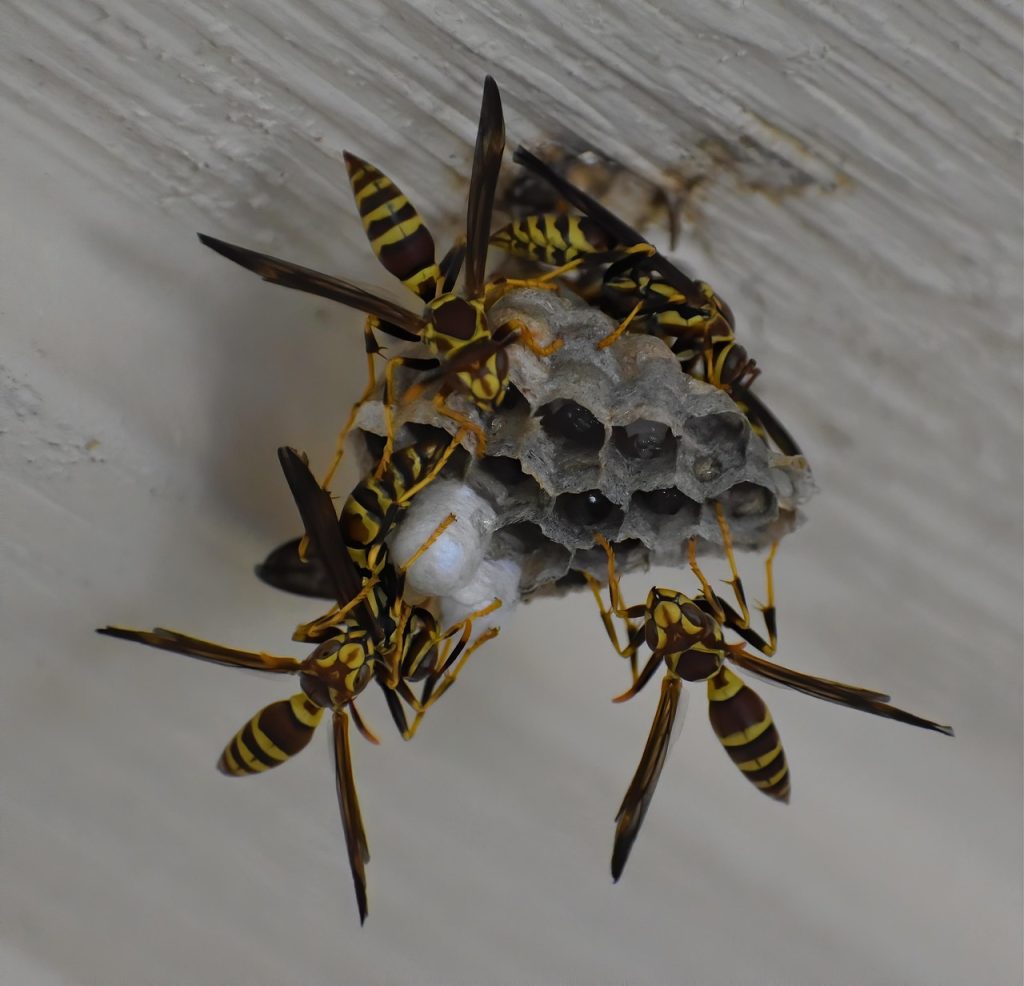
Preventing Wasps from Nesting Around Properties
Keeping wasps away from your home is super important for staying safe and comfy. Sure, they help with pests, but getting too close means painful stings and allergies, which isn’t fun. Wasps get a bit grumpy if they’re bothered, so it’s a good idea to stop them early. Spotting things that attract them like food or spots they might nest can really cut down wasp visits. Just a few simple steps can make your outdoor space peaceful and wasp-free, so you can chill without worrying.
Why Are Wasps Attracted to Certain Areas
Wasps, those cheeky little striped buzzers, just can’t resist a sniff of something sweet. If you’ve got a glass of lemonade or a bowl of juicy berries nearby, you might find one trying to join your afternoon tea. They’re not exactly the life of the party, but they sure know how to crash it. And if you’ve left your bin lid open with food scraps inside, you’re basically rolling out the red carpet for them.
But it’s not only about the munchies. Wasps are on the lookout for prime real estate to set up house. You’ll often find them eyeing up spots like your eaves, the attic, or even the garden shed as potential nesting sites. It’s worth having a quick check for any gaps or cracks and doing a bit of sealing to keep these nosy neighbours out.
Don’t forget, wasps are also keen on gathering building materials. They’re after wood and plant bits, which they source from fences, garden furniture, and tree branches. Keeping your garden trim and tidy by cutting back overhanging branches and giving the furniture a good clean can make it much less inviting for them. Give these tips a go, and you might just enjoy a wasp-free garden this summer!
How to Eliminate Food Sources that Attract Wasps
Want to keep wasps away from your place? Start by dealing with where they like to hang out. Make sure your rubbish bins have tight lids, ’cause wasps love open trash. If you’re eating outside, seal up your food containers. Pack up leftovers fast and wipe up spills or crumbs so wasps don’t crash your meal.
Don’t forget about your garden. Pick up any fruit that’s dropped and cover your compost heaps. Wasps can’t resist these spots. Stick to these tips, and you’ll see way fewer wasps buzzing around your space.
Sealing Potential Nesting Sites
Keeping wasps away from your place is super important if you want a wasp-free zone. To do this, make sure you seal up any spots where they might build nests. Little gaps in eaves, walls, and vents can eventually attract wasps, so it’s a good idea to check them out.
Take a walk around your house and look for cracks or openings. Focus on spots like eaves and vents, which get worn down by the weather. Use strong stuff like caulk or wire mesh to block these off and stop wasps from getting in. Keep checking regularly because new gaps can pop up as things wear down or shift around.
By sorting out these entry points, you won’t just keep wasps away but also avoid dealing with nests and possible damage to your house. Stick with these steps, and your place will stay peaceful and comfy, without the hassle of wasps buzzing around. Keeping this up makes sure wasps won’t crash your outdoor hangouts.
Natural Deterrents
Natural deterrents are a brilliant way to keep wasps at bay without resorting to chemicals or harming our lovely planet. These handy tips can help reduce the number of wasps buzzing around, all while being eco-friendly.
Essential Oils
Peppermint oil is a real winner because wasps absolutely detest its strong scent. Soak a few cotton balls in the oil and place them near doors, windows, or your favourite outdoor hangouts. A quick tip: these cotton balls generally keep their potency for about a week, so you might want to refresh them regularly. I tried this on my patio, and the wasps cleared off quicker than you can say “buzz off!”
Vinegar Solutions
Vinegar is another top-notch choice. Simply mix equal parts vinegar and water in a spray bottle and give it a good shake. Spritz this solution around your dining spots or any potential nesting areas. Wasps are drawn to sweet smells, so keeping food covered and spraying vinegar nearby helps keep them away. It’s simple, yet effective.
Natural Sprays
Citronella candles do double duty by repelling wasps and adding a warm, cosy vibe to your outdoor spaces. If you’re feeling crafty, you might want to whip up your own spray with cloves or garlic. Crush a few cloves or chop some garlic, mix them with water, and let it sit for a while to steep. Then, spray this aromatic concoction around areas where wasps like to linger. It’s a natural way to make them think twice about visiting.
These natural tricks are great for keeping wasps away, letting you enjoy your time outside without a worry. Why not give one a try and see how it works for you? Share your experiences and keep those wasps guessing!
Creating and Placing a Wasp Trap
Setting up a wasp trap is a brilliant way to keep those bothersome bugs out of your garden. You can whip one up with bits and bobs you likely already have at home. Start by grabbing an empty two-litre plastic bottle, likely found in your recycling bin. Cut off the top third and flip it over to create a funnel inside the bottle. Mix about 7 ounces of sugar water, a splash of vinegar, and a few drops of washing-up liquid. Pour this concoction into the bottom of the bottle. The sweet aroma is a siren call for wasps, while the vinegar ensures bees steer clear, as they’re vital for your garden. The soap makes it tricky for the wasps to escape, effectively trapping them.
Strategic Placement
With your trap ready, it’s time to choose the perfect spot. Place it near areas where wasps like to gather, such as by flowering plants or your outdoor furniture. Just be sure it’s at least three feet away from where people like to relax. Check on the trap every few days. When it’s full, dispose of the contents responsibly, give the bottle a rinse, and fill it up again. You might want to pop on some gloves when handling the traps, and do keep them out of reach of children and pets.
Why not give this a go before your next garden gathering? You might find yourself enjoying a more serene, wasp-free afternoon tea in your garden.
Best Times for Preventive Measures
If you wanna keep wasps away from your place, knowing when to start can help a lot. Best time to start is early spring, ’cause that’s when wasp queens wake up and start making nests. If you tackle the problem then, you can stop whole colonies from forming. Late summer is another big time since wasps are super busy looking for food. So, during these times, check out your place, block spots where they might nest, and use natural stuff to deter them. Planning to do this around these times will help you handle wasps better.
Conclusion
Related: Effective Wasp Nest Removal Services for Your Peace of Mind
Want to enjoy your garden without pesky wasps? It’s easier than you think! The best time to act is early spring when wasp queens are starting to build new nests, and late summer when they’re hunting for food. These times are perfect for stopping wasps before they move in. Just block off spots where they might nest and get rid of their food sources. You can also try natural deterrents and traps to keep them away. Follow these tips during these key times, and your garden should stay wasp-free. Give it a go and enjoy your outdoor space without the stress!
