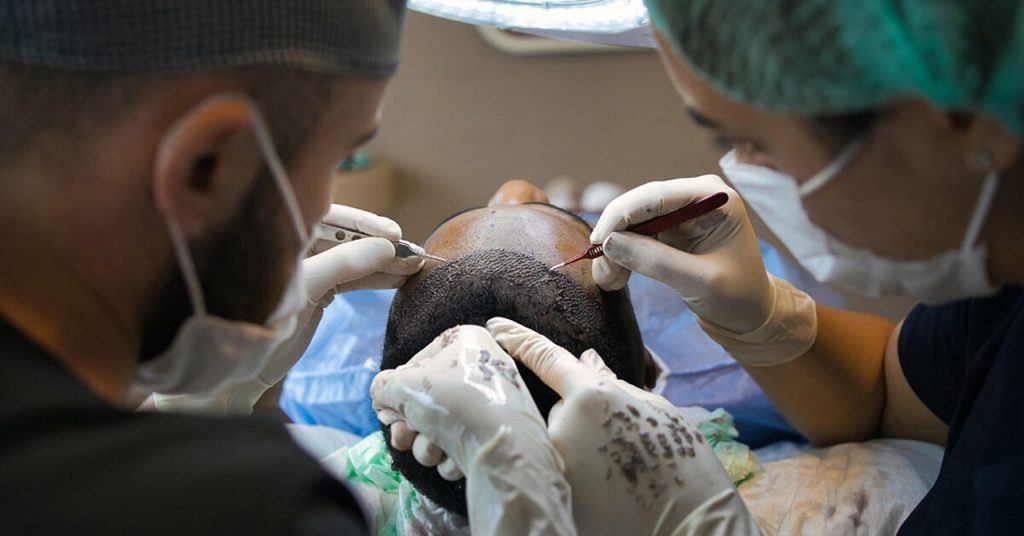
Hair restoration has become an increasingly popular option for individuals experiencing thinning hair, receding hairlines, or noticeable bald patches. While many people focus on achieving natural looking results, the medical factors behind successful treatment deserve equal attention. Hair growth patterns, individual health conditions, hormonal activity, and the body’s healing response can all influence treatment outcomes. Understanding these factors helps patients make informed decisions and avoid choosing procedures based entirely on cosmetic expectations.
The Importance of Hair Loss Stability
One of the most overlooked considerations in hair restoration is whether hair loss has stabilized. Some individuals experience gradual thinning over several years, while others notice rapid changes within a relatively short period. Performing a transplant while hair loss is progressing can create uneven density as untreated natural hair continues to disappear.
People researching Hair transplants UK should understand that treatment timing can be just as important as the procedure itself. Medical professionals may recommend monitoring hair loss patterns before proceeding with surgery, particularly among younger patients whose future hair loss remains unpredictable. This approach helps develop a treatment strategy that considers both current and potential future changes.
The Relationship Between Hormonal Activity and Hair Restoration
Hormones influence hair growth cycles, follicle sensitivity, and the progression of certain types of hair loss. Dihydrotestosterone, commonly called DHT, plays a significant role in androgenetic alopecia among genetically susceptible individuals.
Hair transplantation does not eliminate the hormonal processes responsible for pattern hair loss. Although transplanted follicles may retain greater resistance to DHT, surrounding natural hair can continue thinning after surgery.
Understanding hormonal influences allows patients to discuss appropriate long term management options with their healthcare professionals. In certain cases, medically supervised treatments may help preserve existing hair and complement surgical restoration.
Understanding the Financial Commitment Beyond Surgery
Hair restoration should be viewed as a potential long term medical and financial commitment rather than a single appointment. Some individuals may require ongoing medication, additional consultations, or future procedures depending on the progression of their condition.
When evaluating Hair transplant costs, patients should consider the possibility of supplementary treatments and continued maintenance. The initial surgical quotation may not represent every expense associated with maintaining the desired appearance.
Patients should also ask about revision policies, follow up care, and whether additional procedures would involve separate charges. Clear financial discussions help individuals establish realistic expectations before committing to treatment.
The Role of Blood Circulation in Follicle Health
Healthy blood circulation supports the delivery of oxygen and nutrients to tissues, including the scalp. Following transplantation, newly placed follicles depend on the surrounding tissue to establish an adequate blood supply during healing.
Certain medical conditions affecting circulation or wound healing may influence surgical suitability. Diabetes, vascular disorders, and smoking history are examples of factors that deserve attention during a medical assessment.
Patients should provide accurate information about their health and lifestyle habits. This allows the treating professional to identify potential concerns and recommend suitable precautions before surgery.
Understanding the Difference Between Hair Density and Hair Coverage
Many patients assume that transplanting more follicles automatically produces better results. However, the relationship between graft numbers, hair thickness, follicle distribution, and visual coverage is more complicated.
Individuals considering Hair transplants London should understand that natural looking restoration depends on strategic follicle placement rather than simply maximizing graft numbers.
Hair texture, curl pattern, shaft diameter, and the contrast between hair and scalp color can influence perceived fullness. A personalized treatment plan considers these characteristics while preserving enough donor hair for possible future requirements.
Medication History and Its Influence on Treatment Planning
Certain medications can affect hair growth, bleeding risk, or the body’s response to surgery. Treatments for chronic medical conditions, hormonal disorders, and other health concerns may therefore require careful consideration before hair restoration.
Patients should disclose all prescribed medications, supplements, and relevant medical treatments during their consultation. This information helps clinicians identify possible interactions and determine whether additional precautions are necessary.
Importantly, patients should never discontinue prescribed medication independently to prepare for a cosmetic procedure. Any recommended adjustments should be coordinated with the appropriate healthcare professional.
Psychological Readiness and Realistic Expectations
Hair loss can affect confidence, self perception, and emotional well being. However, hair restoration cannot guarantee a particular appearance or resolve every concern associated with personal image.
Patients should understand the limitations of treatment, including the possibility of uneven growth, differences in hair density, and the need for additional procedures.
A responsible consultation should provide enough information for individuals to evaluate their expectations without feeling pressured into making an immediate decision. Psychological readiness is especially important when dissatisfaction with appearance extends beyond hair loss itself.
Conclusion
Hair restoration decisions should account for much more than visible hair loss. Hormonal influences, treatment timing, circulation, medication history, follicle characteristics, and psychological expectations all contribute to determining whether a procedure is appropriate.
Also read: The Rise Of Cosmetic Bonding As A Smile Solution
By examining these factors before treatment, patients can better understand potential benefits and limitations. A carefully planned approach prioritizes medical suitability, sustainable results, and informed decision making, helping individuals pursue hair restoration with greater confidence and realistic expectations.
