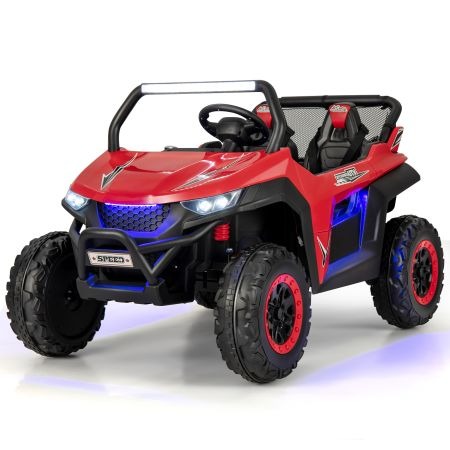
There’s something magical about watching a child grip the steering wheel of their first ride-on toy, eyes wide with excitement as they navigate the driveway like a tiny explorer conquering new territory. That pure joy is exactly what every parent hopes to give their child—but behind every smile, there’s a quiet voice asking: is this safe? The market is flooded with options, from simple push-along cars to sophisticated electric vehicles with working headlights and Bluetooth speakers. With so many choices, finding a ride-on toy that balances fun with genuine safety can feel overwhelming. This guide cuts through the noise by breaking down the four critical factors every parent should evaluate: age appropriateness, built-in safety features, battery life considerations, and ongoing maintenance. Whether you’re shopping for a first birthday gift or upgrading your five-year-old’s outdoor adventures, the information ahead will serve as your clear, practical checklist—helping you make a purchase that keeps your child protected while delivering the thrill they deserve.
1. Age and Developmental Appropriateness: The First Safety Filter
Before comparing colors, features, or brand names, the single most important question to ask is whether a ride-on toy matches your child’s physical size and developmental stage. A toy that’s too advanced can be genuinely dangerous—imagine a two-year-old in an electric vehicle designed for six-year-olds, unable to reach the pedals properly or react quickly enough to stop. Conversely, a toy that’s too basic for an older child leads to boredom and misuse, which creates its own risks.
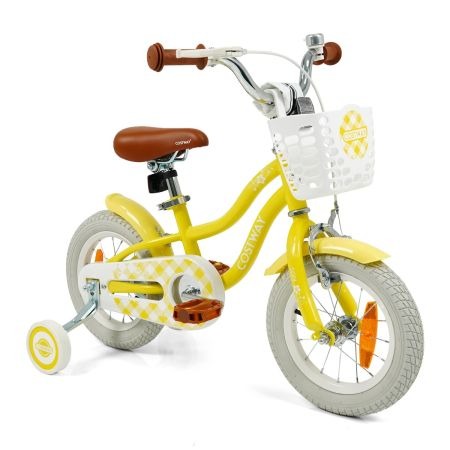
Weight limits exist for structural reasons. When a child exceeds the recommended weight, the frame, wheels, and motor experience stress they weren’t engineered to handle, increasing the chance of mechanical failure mid-ride. Physical dimensions matter equally—a child should be able to plant both feet flat on the floorboard or ground, reach all controls comfortably, and sit with their back supported. These aren’t just comfort factors; they’re what allow a child to maintain control.
Developmentally, children between ages one and three are still refining gross motor skills like balance and leg coordination. Push-along ride-on toys and foot-to-floor cars work perfectly here because the child sets the pace and can stop instantly. Between three and six, most children have developed the coordination and reaction time needed for low-speed electric ride-on cars with simple pedal operation. Kids six and older can typically handle higher speeds, steering complexity, and gear shifting found in more advanced kids ride on toys.
1.1 Matching the Toy to Your Child’s Stage
For toddlers, prioritize ride-on toys with a low center of gravity, wide wheelbases, and maximum speeds under 2 mph. These features compensate for a young child’s still-developing balance and slow reaction times. Look for models with high-backed seats and side supports that keep little bodies centered during turns. Many quality options for this age group include parental remote controls—a feature that lets you override steering and speed from a distance, essentially giving you a safety net while your child enjoys the sensation of independence.
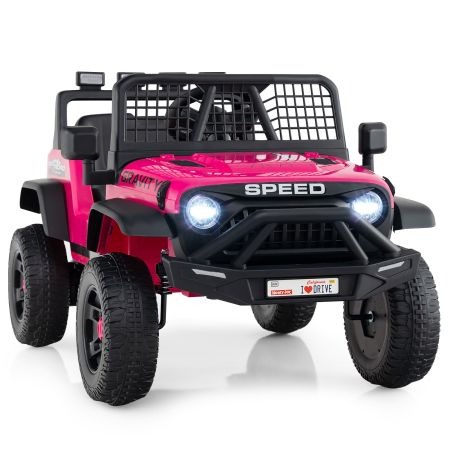
For children aged three to six, adjustable seats become particularly valuable. A seat that extends or raises means the toy grows with your child for an extra year or two, maintaining proper ergonomics throughout. At this stage, kids benefit from ride-on toys that introduce gradual complexity: a low-speed setting they can master first, then a slightly faster option once their confidence and coordination catch up. The transition from parent-controlled to child-controlled driving should feel natural, not abrupt. If your child still struggles with consistent steering or frequently forgets to brake, they’re signaling that they need more time at the current level—regardless of what the age recommendation on the box suggests.
2. Essential Safety Features and Design Considerations
Once you’ve confirmed a ride-on toy fits your child’s age and size, the next layer of evaluation involves the physical design and built-in safety mechanisms. Not all kids cars are created equal, and the difference between a well-engineered model and a cheaply made one often comes down to details you can assess before purchase if you know where to look.
Structural integrity starts with materials. High-density polyethylene and reinforced polypropylene are standard for quality ride-on toy bodies—they absorb impact without cracking or splintering. Run your hand along every surface your child might touch. Edges should be rounded and smooth, with no exposed screws, pinch points, or gaps where small fingers could get caught. The chassis should feel solid when you press down on it, not flexing or creaking under moderate pressure.
Speed control is where electric ride-on cars demand particular scrutiny. Look for models with built-in speed limiters that cap maximum velocity at a level appropriate for the intended age group. A quality kids car will offer multiple speed settings—typically two or three—allowing parents to lock the vehicle at the lowest speed until the child demonstrates consistent control. Gradual acceleration is another critical feature; a toy that lurches forward at full power the instant a child presses the pedal creates tip-over and collision risks that smooth, progressive acceleration eliminates.
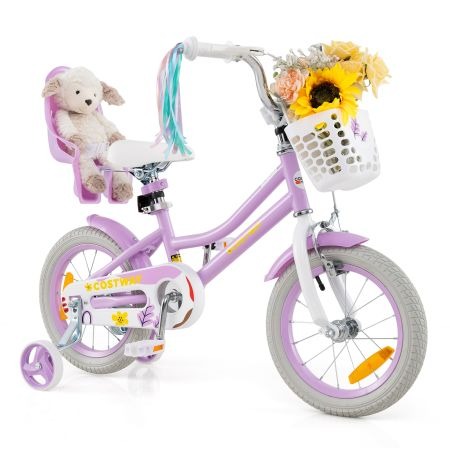
Stability comes from geometry. A wide wheelbase and low center of gravity are your two best protections against tipping, especially during turns on uneven surfaces. Four-wheeled designs inherently outperform three-wheeled ones in this regard. Finally, always verify that any ride-on toy you’re considering carries relevant safety certifications—ASTM F963 for toy safety standards and CPSC compliance in the United States confirm that the product has been tested for mechanical hazards, flammability, and material toxicity.
2.1 The Anatomy of a Safe Kids Car
Breaking a ride-on toy into its individual components reveals where manufacturers cut corners and where premium models earn their reputation. Seat belts—even simple lap belts—prevent a child from sliding forward during sudden stops or tumbling out during sharp turns. They’re especially important on electric models that reach speeds above 3 mph. Enclosed wheels, where the wheel mechanism is covered by the body panel, eliminate the risk of feet, clothing, or hair getting caught in spinning axles. This is a feature often missing from budget models and one worth prioritizing for younger riders.
Braking systems vary significantly. The safest electric ride-on cars use automatic braking that engages the moment a child lifts their foot from the accelerator, bringing the vehicle to a controlled stop rather than allowing it to coast. This mimics how real vehicles behave and is far safer than relying on a separate brake pedal that a young child might forget to use. Material quality extends beyond the frame—check that paint is non-toxic and lead-free, that stickers won’t peel into choking hazards, and that any rubber components are free from harmful phthalates. Premium models typically publish their material safety data openly, while budget options may omit this information entirely.
2.2 Parental Controls and Peace of Mind
Remote control capability transforms a parent from a bystander into an active safety participant. The best systems operate on 2.4GHz frequency with a dedicated pairing system, meaning your remote controls only your child’s vehicle—not every ride-on toy in the neighborhood. Effective parental remotes allow you to steer, accelerate, brake, and fully override your child’s inputs from distances of 30 to 50 meters. This means you can intervene instantly if your child heads toward a street, a slope, or another hazard.
Beyond remote controls, other parental safety features deserve attention. Start-up safety keys prevent unauthorized use—your child can’t operate the vehicle without the key, which you control. Volume limiters on horns and built-in music protect developing hearing, particularly since children tend to activate these features repeatedly at close range. Some models also include slow-start technology that prevents the vehicle from moving until a deliberate, sustained press of the pedal occurs, filtering out accidental activation when a child is climbing in or adjusting their position.
3. Understanding Battery Life and Power Management
For parents considering electric ride-on cars, battery performance directly impacts both safety and satisfaction. A toy that dies mid-ride leaves a frustrated child stranded in the driveway, but more importantly, a poorly managed battery can overheat, swell, or leak—creating hazards that extend beyond simple inconvenience. Understanding how these power systems work puts you in control of both the experience and the risk.
Battery voltage determines how much power reaches the motor, which translates directly into speed and torque. A 6V system delivers gentle speeds suitable for younger children on flat surfaces, while 12V configurations provide enough power for moderate inclines and slightly faster travel appropriate for the three-to-six age range. 24V systems, designed for older kids, handle steeper terrain and heavier riders. Choosing the right voltage isn’t just about performance—it’s about ensuring the vehicle doesn’t outpace your child’s ability to control it.
When manufacturers advertise battery life, they’re typically describing single-charge runtime under ideal conditions: a lightweight rider on flat, smooth pavement at consistent low speed. Real-world playtime is almost always shorter. Grass, gravel, hills, frequent stopping and starting, and riders near the upper weight limit all drain batteries faster. A reasonable rule of thumb is to expect 60 to 75 percent of the advertised runtime during typical backyard play. Overall battery lifespan—measured in charge cycles rather than hours—determines how many seasons of use you’ll get before replacement becomes necessary. Most lead-acid batteries in ride-on toys last between 200 and 300 full charge cycles with proper care, while lithium-ion options can exceed 500 cycles.
3.1 Charging Safety and Best Practices
Safe charging starts with using exclusively the charger that came with your child’s ride-on toy. Third-party chargers may deliver incorrect voltage or amperage, risking battery damage or overheating. Charge the battery indoors in a dry, well-ventilated area away from direct sunlight and flammable materials—never in a closed closet or on carpet where heat can’t dissipate. Most manufacturers recommend an initial charge of 18 to 24 hours before first use to fully condition the battery cells.
Overcharging is the most common mistake parents make. Once the indicator light signals a full charge, disconnect immediately. Leaving a battery plugged in overnight or for days between uses degrades cell integrity and can cause swelling. Set a phone timer when you plug in, and establish a routine—charge after every play session rather than waiting until the battery is completely dead. Deep discharging, where the battery runs until the toy barely moves, stresses cells and shortens overall lifespan significantly. If you notice the charger becoming unusually hot, emitting odors, or if the battery case appears warped or cracked, stop charging immediately and contact the manufacturer.
3.2 Maximizing Your Ride-On Toy’s Battery Lifespan
Consistent charging habits matter more than anything else for long-term battery health. After each play session, recharge the battery to full even if your child only rode for ten minutes. Storing a partially depleted battery accelerates sulfation in lead-acid cells—a chemical process that permanently reduces capacity. During winter months or extended periods without use, charge the battery fully once every three to four weeks to maintain cell health, and store it in a cool, dry location between 50 and 70 degrees Fahrenheit.
Periodically inspect battery terminals for white or greenish corrosion buildup, which impedes electrical flow and forces the system to work harder. Clean terminals gently with a dry cloth or a cotton swab dipped in a small amount of baking soda solution, then dry thoroughly before reconnecting. Watch for signs that a battery is reaching end of life: dramatically shorter ride times despite full charges, the vehicle struggling on surfaces it previously handled easily, or the battery taking noticeably longer to reach full charge. When these symptoms appear, replace the battery promptly rather than pushing through—a failing battery that overheats during use poses a genuine safety concern that no amount of maintenance can resolve.
4. Maintenance, Longevity, and Troubleshooting
Purchasing a safe ride-on toy is only the beginning—keeping it safe requires ongoing attention. Just like a real vehicle, a kids car experiences wear from regular use: screws loosen from vibration, tires lose traction, wires shift or fray, and plastic components weaken under sun exposure. A few minutes of routine care each month prevents small issues from becoming safety hazards and extends the toy’s usable life by years rather than seasons.
Start with a visual and physical inspection of the entire vehicle. Grip the steering column and check for excessive play or wobble. Rock the vehicle side to side to confirm the chassis remains rigid and that wheel axles haven’t loosened. Examine all visible wiring beneath the seat or battery compartment for fraying, exposed copper, or rodent damage if stored in a garage. Tighten every accessible screw and bolt with the appropriate tool—vibration from riding on rough surfaces gradually backs fasteners out over time, and a single missing bolt in a steering linkage can mean complete loss of directional control.
Cleaning is straightforward but important. Wipe down the body with a damp cloth and mild soap, avoiding direct water spray near electrical connections, the motor housing, or the battery compartment. Dry thoroughly before storage. For wheels, remove any hair, string, or debris wrapped around axles, which can bind movement and strain the motor. Store the vehicle indoors or under a weather-resistant cover—prolonged UV exposure degrades plastic strength, and moisture accelerates corrosion on metal components and electrical contacts.
When troubleshooting common problems, work systematically. If the toy won’t start, check the battery charge level first, then inspect the connection between battery and motor for loose or corroded terminals. If the vehicle loses power on inclines it previously climbed, the battery is likely degrading or a motor brush is wearing down. Uneven steering often traces back to a misaligned front axle or a wheel with a flat spot from being stored in one position too long. Most manufacturers sell replacement parts—motors, batteries, wheels, gears, and chargers—so a single component failure doesn’t mean discarding the entire toy.
4.1 Creating a Simple Maintenance Checklist
Before every ride, conduct a 60-second walkaround: confirm tires are firmly attached and have adequate tread, test that the seat belt latches and releases properly, press the accelerator briefly to verify smooth engagement, and check that the steering responds fully in both directions. This quick habit catches problems before your child is in motion and takes almost no effort once it becomes routine.
Monthly, perform a deeper inspection. Remove the seat or access panel to examine the battery for swelling, leaks, or corrosion. Test all lights and sounds to confirm electrical systems remain intact. Tighten every bolt you can reach, paying special attention to wheel nuts, steering column hardware, and seat mounting points. Lubricate any squeaking joints with a small amount of silicone-based lubricant—never petroleum-based products that can degrade plastic. Document what you find each month, even if everything looks fine. This record helps you notice gradual changes, like a bolt that needs retightening every few weeks, which might indicate a stripped thread requiring actual repair rather than repeated quick fixes. Retailers like Costway-AU offer a wide selection of ride-on toys with clearly listed specifications, making it easier to cross-reference replacement parts and safety features against your checklist. Proactive maintenance transforms a ride-on toy from a seasonal novelty into a reliable, safe companion that serves your child well through years of outdoor adventure.
Your Complete Safety Checklist for Confident Ride-On Toy Shopping
Choosing a safe ride-on toy doesn’t require engineering expertise—it requires attention to four interconnected pillars. First, confirm that the toy genuinely matches your child’s age, weight, and developmental capabilities, because no safety feature can compensate for a fundamental mismatch between rider and vehicle. Second, scrutinize the physical design: materials, speed controls, stability geometry, braking systems, and certifications tell you whether a manufacturer prioritized your child’s protection or simply their profit margin. Third, understand the battery system powering the experience—proper voltage selection, disciplined charging habits, and awareness of degradation signs keep the electrical components from becoming a hidden risk. Fourth, commit to routine maintenance that catches loosened bolts, frayed wires, and worn components before they fail during play.
Armed with this checklist, shopping becomes less about guesswork and more about confident evaluation. Every ride-on toy on the shelf can be measured against these criteria, and the ones that pass deserve a place in your child’s outdoor adventures. The reward for this diligence isn’t just peace of mind—it’s years of watching your child build confidence, coordination, and independence behind the wheel of a toy that was chosen with both their happiness and their safety in mind.