There’s a moment at every great concert when the lights shift and the entire venue transforms into something otherworldly. That moment increasingly belongs to laser light technology—a force that has fundamentally redefined what audiences expect from live music experiences. For concert organizers, however, creating these dynamic, immersive stage performances presents a persistent challenge. Balancing visual spectacle with practical constraints like setup time, venue limitations, and budget demands often feels like an impossible equation. Professional laser light systems have emerged as the answer to this dilemma, offering concert lighting solutions that combine breathtaking visual impact with surprising operational efficiency. These systems deliver complex aerial effects, vivid color displays, and perfectly synchronized light shows that move crowds emotionally and physically. Whether through rapid-deployment preset modes that slash setup times or innovative scanning technologies that paint the air with precision, modern laser systems empower organizers to elevate any performance from ordinary to extraordinary. In the sections ahead, we’ll explore how these tools work, how to implement them effectively, and why they represent the future of concert lighting design.
The Evolution and Importance of Laser Light in Concert Lighting
Concert lighting has undergone a dramatic transformation since the days of simple spotlights and colored gels. In the 1970s, early laser light demonstrations at rock concerts stunned audiences with single-beam effects that felt revolutionary at the time. Those primitive systems required enormous equipment, dedicated operators, and extensive safety protocols that made them impractical for most touring acts. The shift accelerated through the 1990s and 2000s as solid-state laser technology replaced gas-based systems, shrinking hardware while expanding creative possibilities exponentially. Today’s professional laser light systems represent the culmination of decades of engineering refinement—compact units capable of producing millions of colors, razor-sharp aerial beams, and intricate animated graphics that respond to music in real time. For concert organizers, this evolution matters because audience expectations have fundamentally changed. Attendees now arrive anticipating multi-sensory immersion, not passive observation. Laser lighting delivers precisely this engagement by creating three-dimensional visual environments that envelop crowds, trigger emotional responses, and generate the shareable moments that drive social media buzz. The technology has shifted from luxury add-on to essential concert lighting infrastructure, making it a critical consideration for any organizer serious about delivering memorable performances that stand apart in an increasingly competitive live entertainment landscape.
Core Technology: Understanding Dynamic Scanning for Enhanced Effects
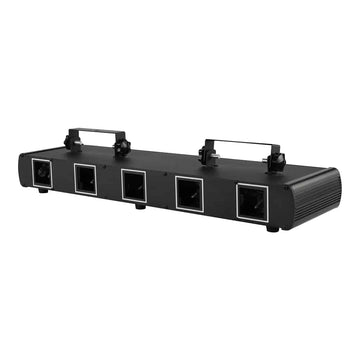
At the heart of every professional laser light system lies dynamic scanning technology—the mechanism that transforms a static beam into fluid, animated visual art. Dynamic scanning relies on galvanometer-driven mirrors that redirect laser beams at extraordinary speeds, often exceeding 30,000 points per second. These tiny mirrors tilt on two axes, painting patterns, text, and complex animations across venues with pinpoint accuracy. The result is the sweeping fan effects, tunnels of light, and intricate geometric displays that define modern concert lighting. For concert organizers, understanding this technology matters because it directly determines what visual effects are achievable within a given space. Higher scan speeds produce smoother, more detailed graphics, while variable scan angles control how wide or focused the laser coverage extends across an audience. Dynamic scanning also enables real-time music synchronization—sensors analyze audio frequencies and translate bass hits, melodies, and tempo changes into corresponding beam movements. This responsiveness creates an organic connection between sound and light that static fixtures simply cannot replicate. When evaluating laser light systems for concert applications, scanning speed, accuracy, and the quality of the galvanometer motors should rank among the top technical considerations, as these factors ultimately determine whether a system delivers amateur-looking effects or the seamless, professional visual spectacle that audiences and artists demand.
Practical Solutions: Enhancing Stage Performances with Innovative Laser Lighting
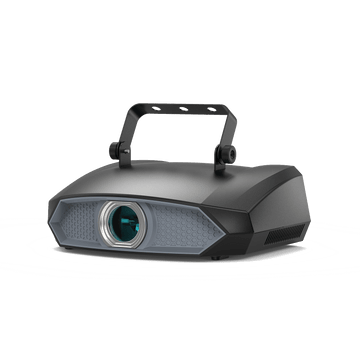
Implementing laser light systems effectively requires a structured approach that balances creative ambition with practical reality. Concert organizers must first assess their venue thoroughly—ceiling height determines beam visibility, room dimensions dictate how many units are needed for full coverage, and surface materials affect how light interacts with the space. A venue with atmospheric haze produces dramatically different results than a clean-air environment, since laser beams become visible only when they interact with particles suspended in the air. Next comes system selection, where organizers must match laser capabilities to performance requirements. Beam lasers excel at creating aerial effects like fans, cones, and tunnels that wash over audiences, while graphics-capable units project animated content, logos, and abstract patterns onto surfaces or into mid-air. Many professional productions combine both types to achieve layered visual depth. Programming custom effects represents the final creative step—building sequences that complement musical arrangements rather than competing with them. Safety remains non-negotiable throughout this process. Laser systems must comply with local regulations regarding audience exposure limits, and proper zoning ensures beams never directly strike eyes at harmful power levels. Integration with existing audio-visual infrastructure also demands attention; laser controllers must communicate with lighting desks, sound systems, and video elements through protocols like DMX, ILDA, or ArtNet to maintain cohesive production timing across all elements.
Step-by-Step Implementation Guide for Concert Organizers
Begin with a site survey at least two weeks before the event, documenting mounting positions, power availability, and potential obstruction points. Select laser types based on your show’s visual priorities—beam effects for high-energy dance music, graphic projections for theatrical performances, or hybrid systems for versatility. During programming, build your light show in segments that align with the setlist, creating distinct visual identities for each song while maintaining transitions that feel natural. Schedule a full technical rehearsal with haze machines running to evaluate beam visibility and adjust positioning angles. During the live event, assign a dedicated operator who can make real-time adjustments based on crowd energy and artist movement, ensuring the laser light responds organically to the performance rather than running rigidly on automation alone.
Case Studies: Real-World Success with Laser Lights in Concerts
A mid-sized electronic music festival transformed its main stage experience by deploying eight dynamic scanning laser units synchronized to DJ sets through timecoded audio triggers. The result was a 40% increase in social media mentions compared to the previous year, with audience surveys citing the lighting as the top memorable element. In another instance, a touring rock band integrated graphics lasers to project lyric fragments and abstract imagery during slower songs, creating intimate visual moments that contrasted with explosive beam effects during high-energy tracks. The production team credited preset modes with reducing their setup time from four hours to ninety minutes across different venues. These examples demonstrate that strategic laser light deployment directly addresses what concert organizers need most—memorable audience experiences delivered within tight logistical constraints.
Efficiency in Action: Utilizing Preset Modes for Quick Event Setup
Time is the scarcest resource for concert organizers managing back-to-back events or multi-act festivals where changeovers must happen in minutes, not hours. Preset modes in professional laser light systems directly address this pressure by offering pre-programmed visual sequences that activate instantly without requiring custom programming from scratch. These modes function as ready-made concert lighting packages—complete shows stored in the unit’s memory that cover common scenarios like high-energy dance sequences, ambient atmospheric effects, and dramatic build-and-drop patterns. The operational advantage is significant: a production crew arriving at a new venue can have laser effects running within minutes of mounting and powering units, rather than spending hours building cues manually. Beyond speed, presets ensure consistency across multiple tour stops, guaranteeing that audiences in every city experience the same visual quality regardless of which technician operates the system. For organizers managing tight budgets, presets also reduce labor costs by minimizing the specialized programming hours that custom shows typically demand. However, the real power of preset modes emerges when they serve as starting points rather than final products—foundations that crews modify and layer to create unique experiences tailored to each performance.
How to Leverage Preset Modes for Rapid Deployment
Professional laser systems typically include preset categories organized by effect type: beam shows featuring fans and cones, graphic displays with geometric animations, color-chase sequences, and music-reactive modes that respond to ambient audio input. To deploy them effectively, begin by connecting your laser units to power and control infrastructure during load-in, then access the onboard menu or DMX controller to browse available presets. Match preset selections to your event timeline—assign calm atmospheric effects to opening acts, mid-intensity patterns to transitions, and full-power beam shows to headliner peaks. Run each selected preset briefly during soundcheck to verify beam positioning and confirm that no effects breach audience safety zones. Finally, map preset triggers to your lighting console so operators can fire them on cue alongside conventional fixtures, maintaining seamless integration across your entire concert lighting rig.
Customizing Presets for Unique Concert Needs
Stock presets rarely match a specific artist’s aesthetic perfectly, which is why customization capability separates professional-grade laser light systems from consumer products. Manufacturers like UKING offer units with extensive preset libraries that serve as flexible starting points for creative customization. Start by duplicating an existing preset that approximates your desired look, then adjust parameters like color palette, scan speed, pattern size, and rotation direction to align with the performer’s visual identity. Most professional controllers allow you to chain modified presets into sequences with programmable transition timing, building complete song-length cues from individual building blocks. Save these custom configurations to dedicated memory slots labeled by artist or song name for instant recall at future events. Maintain a backup of all custom presets on external storage, ensuring that equipment swaps or firmware updates never erase your work. This approach gives organizers the flexibility to deliver bespoke visual experiences while preserving the time-saving benefits that make presets invaluable for concert lighting workflows.
Expanding Applications: Laser Lights for Outdoor Events and Seasonal Displays
Professional laser light systems extend far beyond indoor concert halls, proving equally transformative for outdoor events and seasonal celebrations. Outdoor concerts and festivals present unique opportunities for laser displays because open-air environments allow beams to travel vast distances, creating aerial effects visible to crowds of tens of thousands simultaneously. The same dynamic scanning technology that drives indoor concert lighting adapts seamlessly to amphitheaters, park stages, and temporary festival grounds when paired with appropriate weatherproofing and increased output power. Seasonal applications represent another growing market—Christmas laser lights have become increasingly popular for holiday concerts and public celebrations, projecting festive patterns, snowfall animations, and color themes across building facades and outdoor stages. For concert organizers exploring these expanded applications, the core principles remain consistent: atmospheric haze enhances beam visibility, safety zoning protects audiences, and synchronization with audio creates emotional resonance. The difference lies in environmental challenges and scale considerations that outdoor and seasonal deployments demand.
Optimizing Laser Lights for Outdoor Event Illumination
Outdoor deployments require IP-rated enclosures that protect laser units from rain, dust, and temperature extremes. Power requirements increase substantially since competing with ambient light—whether sunset glow or surrounding urban illumination—demands higher-output systems. Safety protocols expand for public events, requiring coordination with aviation authorities when beams project skyward and establishing larger exclusion zones to account for unpredictable crowd movement in open spaces.
Festive Lighting Ideas: Christmas Laser Lights for Holiday Concerts
Holiday-themed concerts benefit enormously from laser systems programmed with seasonal content—think sweeping green and red beams during musical crescendos, projected snowflake animations dancing across stages, and star-field effects that transform venue ceilings into winter skies. Preset modes designed for festive applications allow organizers to deploy Christmas laser lights with minimal programming, while custom sequences can synchronize beam effects to holiday playlists for truly immersive seasonal experiences.
The Future of Professional Laser Systems in Live Entertainment
Professional laser light systems have fundamentally transformed concert lighting from a supporting element into a defining feature of live music experiences. Through dynamic scanning technology, organizers now command the precision and speed needed to create complex visual environments that respond organically to music and captivate audiences on an emotional level. The practical benefits extend well beyond aesthetics—preset modes solve the persistent challenge of tight turnaround times by enabling rapid deployment without sacrificing visual quality, while customization options ensure every performance retains its unique identity. Beyond traditional concert halls, these systems prove equally powerful for outdoor events and seasonal celebrations, from festival stages reaching thousands to intimate holiday concerts wrapped in festive laser displays. For concert organizers navigating the demands of modern audiences who expect immersive, shareable experiences, adopting professional laser systems is no longer optional—it’s a competitive necessity. As the technology continues advancing toward greater integration with artificial intelligence, real-time audience interaction sensors, and increasingly compact hardware, the creative possibilities will only expand. The organizers who invest in understanding and implementing these tools today position themselves at the forefront of tomorrow’s live entertainment landscape.
