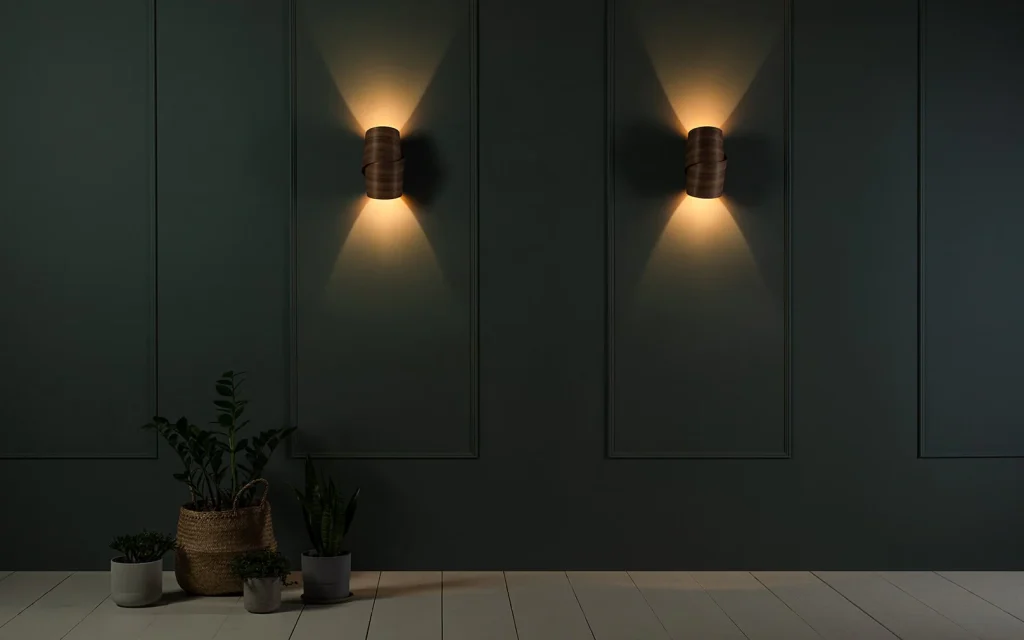
We’ve all experienced that frustrating moment—fumbling for keys at a dimly lit doorway, navigating a shadowy hallway, or squinting in a poorly illuminated stairwell. Inadequate lighting doesn’t just create inconvenience; it compromises safety and makes spaces feel unwelcoming. Wall lights offer a targeted solution, delivering focused illumination exactly where you need it without consuming valuable floor or ceiling space. Yet many homeowners find themselves overwhelmed when selecting the right fixtures for their specific needs. How do you balance compact lighting requirements with adequate brightness? Which technology delivers the longest lifespan without constant maintenance? These questions become especially pressing for small spaces like narrow corridors, entryways, and porches where every design choice matters. This guide walks you through the essential considerations for choosing wall lights that provide efficient local lighting solutions. From understanding mini wall pack options to leveraging modern LED technology, you’ll gain the practical knowledge needed to select fixtures that enhance both safety and aesthetics while standing the test of time.
The Importance of Wall Lights for Local Lighting Solutions
Wall lights are fixtures mounted directly to vertical surfaces, designed to cast illumination in specific directions rather than flooding an entire room. Unlike overhead fixtures that distribute light broadly, wall lights excel at providing focused, localized brightness where activities actually happen—beside a door, along a pathway, or at reading height in a living space. Their strategic placement enhances both the aesthetics and functionality of a home, creating visual depth through layered lighting while eliminating dark spots that compromise security. For homeowners concerned about energy consumption, modern wall lights deliver impressive efficiency by illuminating only the zones that need attention rather than wasting power on empty space. They also serve as architectural accents, drawing the eye to textured walls or highlighting entryways with welcoming warmth. The evolution from incandescent and halogen wall fixtures to today’s LED-powered options has transformed what these compact units can achieve. Contemporary wall lights now offer superior brightness in smaller housings, dramatically longer operational life, and significantly reduced electricity costs—making them an essential component of any thoughtful local lighting strategy that balances form with function.
Key Considerations for Homeowners: Space and Safety Needs
Before browsing catalogs or visiting lighting showrooms, take time to evaluate your specific circumstances. Every home presents unique challenges, and understanding yours ensures you invest in fixtures that genuinely solve problems rather than creating new ones. Start by identifying the exact areas requiring improved illumination. Narrow hallways, cramped entryways, covered porches, and garage-adjacent walkways each demand different approaches to local lighting solutions. Measure the available wall space carefully—a fixture that protrudes too far into a tight corridor becomes a hazard rather than a help.
Safety deserves particular attention when selecting wall lights for home entrances. A well-lit doorway deters intruders, prevents trip hazards on steps, and allows you to identify visitors before opening the door. For these applications, prioritize fixtures that deliver consistent, reliable output without flickering or gradual dimming over time. Long lifespan lighting becomes critical here because a burned-out entrance light leaves your home vulnerable precisely when you need protection most. Consider brightness requirements in practical terms—enough lumens to clearly illuminate a face at arm’s length, sufficient spread to cover steps and thresholds, yet not so intense that it blinds you when stepping outside at night. Durability factors into the equation as well. Exterior-mounted fixtures face rain, temperature swings, and UV exposure, so weather-resistant housings and sealed electrical components are non-negotiable for any wall light positioned outside. Finally, think about how the fixture integrates with your existing electrical infrastructure, as some locations may lack convenient wiring access, making hardwired options impractical without professional installation.
Exploring Compact Lighting: Mini Wall Packs and LED Technology
When space constraints limit your fixture options, compact lighting solutions become essential rather than optional. Homeowners dealing with narrow corridors, tight entryways, and small porches need fixtures that deliver meaningful illumination without dominating the wall or obstructing foot traffic. This is where purpose-built compact fixtures and modern LED technology converge to solve real-world problems. The lighting industry has responded to these demands with designs that minimize physical footprint while maximizing light output—a combination that seemed impossible just a decade ago. Understanding what’s available and how each option performs helps you match the right fixture to your specific situation, whether you’re lighting a side entrance that sees daily use or a back porch that needs reliable overnight security illumination.
What Are Mini Wall Packs? Benefits for Small Areas
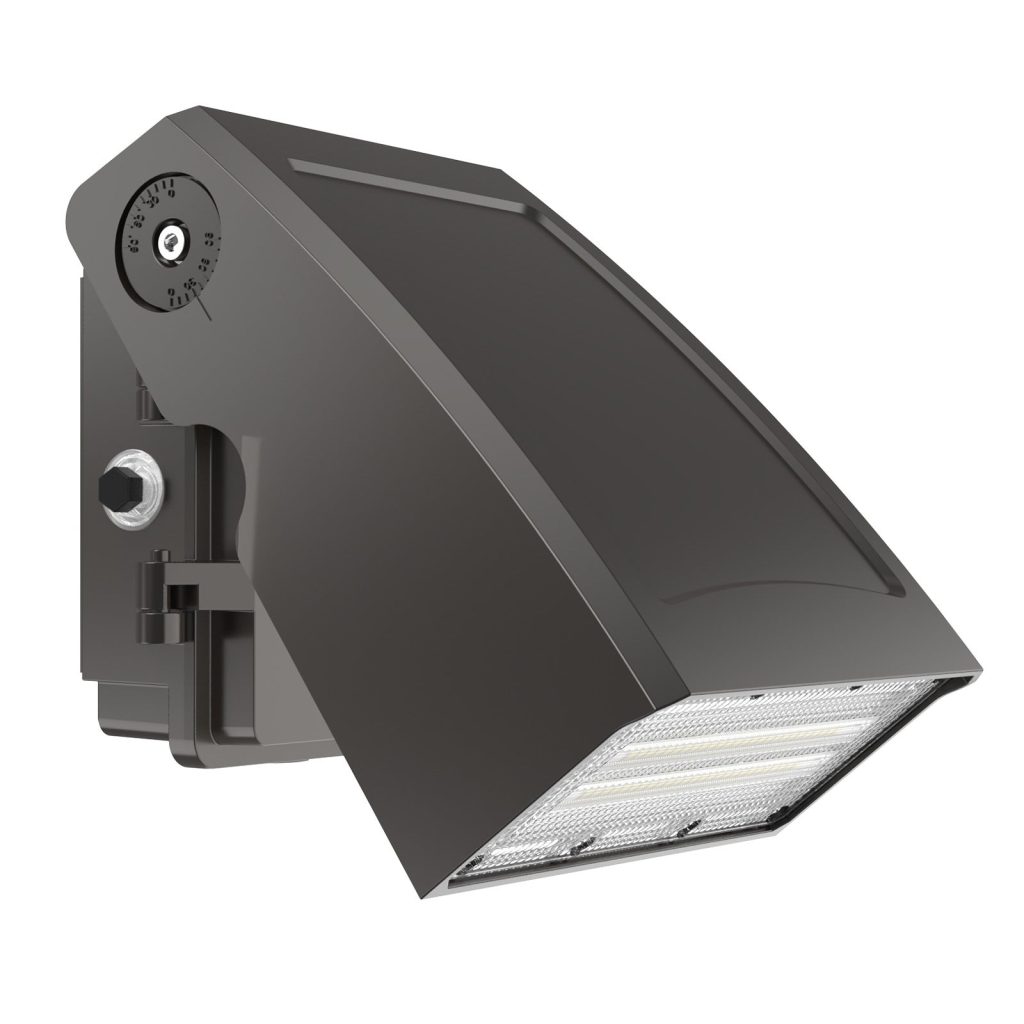
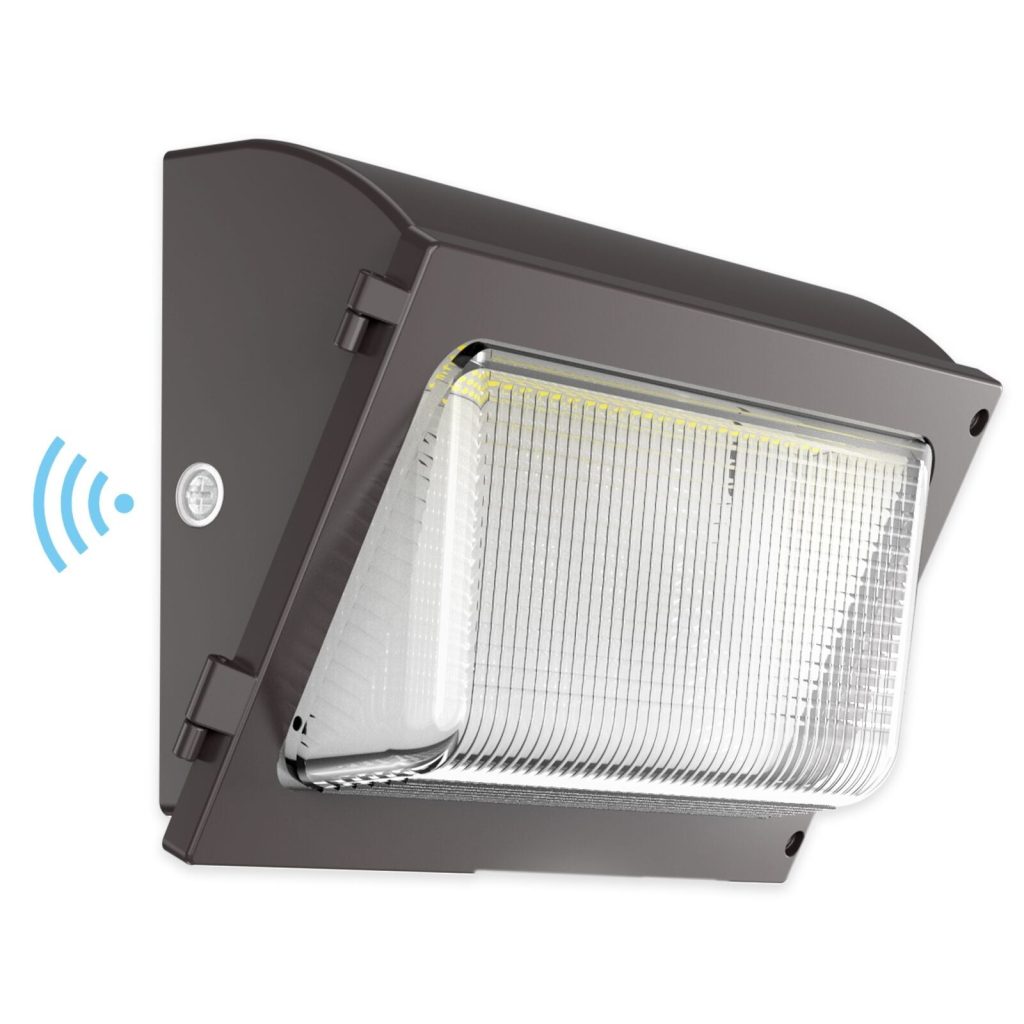
Mini wall packs are scaled-down versions of commercial wall-mounted fixtures, engineered specifically for residential and light-commercial applications where full-size units would be visually overwhelming or physically impractical. Their compact housing—typically projecting just a few inches from the wall surface—makes them ideal for locations where pedestrians pass close to the fixture. Despite their reduced dimensions, these units deliver focused downlight or broad-spread patterns depending on the lens configuration. Manufacturers like Hyperlite have developed mini wall pack options that work exceptionally well on covered porches where ceiling height is limited, beside garage doors where vehicles pass nearby, and along narrow corridors where protruding fixtures would create obstacles. The shielded design of most mini wall packs also reduces light trespass into neighboring properties, directing lumens precisely where needed for effective local lighting without waste.
LED Technology: Ensuring Reliability and Long Lifespan
LED technology has fundamentally changed what homeowners can expect from wall-mounted fixtures. Unlike incandescent bulbs that convert most energy into heat, LEDs transform the majority of electrical input into visible light, resulting in dramatically lower operating costs and cooler fixture temperatures that extend component life. A quality LED wall light maintains consistent brightness throughout its operational span rather than gradually yellowing and dimming like older technologies. This consistency matters enormously for safety-critical applications at home entrances, where you need dependable illumination night after night without monitoring bulb condition. The solid-state construction of LEDs means no fragile filaments to break from vibration or thermal cycling, making them inherently more durable in exterior installations exposed to wind, temperature extremes, and moisture. For homeowners seeking long lifespan lighting that requires minimal intervention, LED-equipped wall fixtures represent the most practical investment available today.
Step-by-Step Guide to Choosing the Right Wall Lights
Selecting the ideal wall light becomes straightforward when you approach the decision methodically rather than browsing randomly and hoping something works. Start by assessing the specific area and its lighting purpose. Stand in the location at night and observe exactly what needs illumination—is it a doorway that requires broad coverage, a corridor needing gentle guidance light, or a porch where you want to read house numbers from the street? This initial assessment determines everything that follows.
Next, determine the appropriate size and style for your space. Compact lighting options like mini wall pack fixtures suit tight installations where clearance matters, while decorative sconces might better complement a formal entryway. Measure your available mounting surface and note any obstructions like downspouts, trim work, or adjacent doors that swing outward. The fixture should complement the architecture rather than compete with it.
Third, check critical specifications before purchasing. Lumens indicate actual brightness output—aim for 700 to 1300 lumens for entrance security lighting and 400 to 700 for ambient pathway illumination. Color temperature affects the mood: warmer tones around 2700K feel inviting for front porches, while neutral 4000K provides clearer visibility for utilitarian spaces. Look for LED technology fixtures rated for 50,000 hours or more to ensure genuinely long lifespan lighting that won’t require attention for years.
Fourth, consider installation requirements honestly. Hardwired fixtures demand existing junction boxes or professional electrician work, while some compact units offer simpler retrofit connections. Verify voltage compatibility with your home’s system and confirm that exterior-rated fixtures carry appropriate IP ratings for moisture exposure. Finally, compare options by reading verified buyer reviews that address real-world performance after months of use rather than relying solely on manufacturer claims. Pay attention to comments about actual brightness versus advertised specs, ease of installation, and how fixtures hold up through seasonal weather changes.
Installation and Maintenance for Long-Lasting Performance
Even the best wall light underperforms when installed incorrectly or neglected over time. Proper mounting starts with securing the fixture to a solid backing—ideally directly into a stud or using appropriate wall anchors rated for the fixture’s weight. For hardwired installations, always shut off the circuit breaker before connecting wires, and use waterproof junction boxes for any exterior placement. Position fixtures at a height that maximizes their intended coverage pattern: security lights typically perform best mounted between seven and nine feet above ground level, while pathway guidance lights work well at three to four feet. Ensure the mounting surface is level so the light distribution pattern falls where you planned it during your assessment phase.
Ongoing maintenance keeps your wall lights performing reliably for years. Clean lenses and housings quarterly using a soft cloth and mild soap to prevent dirt buildup from reducing light output—accumulated grime can cut perceived brightness by twenty percent or more. Inspect gaskets and seals on exterior fixtures each spring, replacing any that show cracking or compression damage before moisture infiltrates the housing. Check mounting hardware annually for looseness caused by wind vibration or thermal expansion cycles. LED fixtures rarely need bulb replacement, but inspect wire connections periodically for corrosion, particularly in coastal or humid environments. These simple routines protect your investment in long lifespan lighting and ensure your home entrances remain safely illuminated through every season without unexpected failures that leave you in the dark.
Selecting Wall Lights That Deliver Lasting Safety and Efficiency
Choosing the right wall lights for efficient local lighting doesn’t require expertise—it requires a clear understanding of your specific needs and the options available to meet them. Wall lights serve as essential tools for delivering focused illumination to the areas of your home that matter most, from entryways that need reliable security lighting to narrow corridors where space-saving design is paramount. By carefully assessing your space constraints and safety requirements, you can narrow your choices to fixtures that genuinely solve problems rather than simply filling a spot on the wall. Compact lighting solutions like mini wall packs address the reality of tight installations where traditional fixtures simply won’t fit, while LED technology ensures your investment delivers consistent, dependable performance for years without the hassle of frequent replacements or rising energy bills. Following the step-by-step selection process outlined here—from initial site assessment through specification checks and installation planning—puts you in control of the decision rather than leaving it to guesswork. Take these insights and apply them to your own home. Walk your property tonight, identify the dark spots that frustrate you or concern you, and start matching those challenges with the right wall lighting solutions for lasting comfort and safety.
