Imagine you’re halfway through a morning trail run, the sounds of birdsong and rustling leaves filling the air around you—except they’re not. You’ve been noticing for months that conversations fade into background noise during group hikes, and the wind seems to swallow the voices of your cycling partners. For millions of active adults dealing with mild to moderate hearing loss, this scenario is frustratingly familiar. The good news is that OTC hearing aids have emerged as an accessible, modern solution that doesn’t require a prescription or expensive clinic visits. But the central question remains: can these devices truly keep up with your active lifestyle? Concerns about durability, sweat exposure, and secure fit during vigorous movement are valid and worth exploring. Today’s best OTC options, including moisture-resistant hearing aids like the ELEHEAR Delight, are specifically engineered to handle the demands of outdoor enthusiasts, athletes, and travelers. Let’s examine whether these devices are ready for your next adventure.
Understanding OTC Hearing Aids: Basics and Benefits
Over-the-counter hearing aids are FDA-regulated devices that consumers can purchase directly without a professional audiologist evaluation, fitting appointment, or prescription. This distinction from traditional hearing aids—which require clinical visits, custom molds, and often carry price tags exceeding several thousand dollars—represents a fundamental shift in hearing healthcare accessibility. Since the FDA established the OTC category in 2022, adults with perceived mild to moderate hearing loss gained the freedom to address their hearing needs on their own terms and timeline.
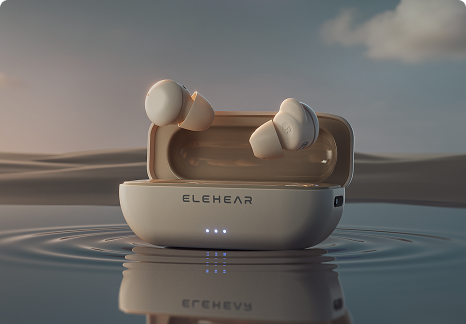
The advantages extend well beyond convenience. OTC models dramatically lower the financial barrier to better hearing, making amplification technology available to millions who previously went untreated due to cost alone. They’re available through pharmacies, electronics retailers, and online stores, eliminating lengthy wait times for specialist appointments. Most devices offer self-fitting capabilities through smartphone apps, allowing users to customize their sound profiles at home. For active adults who value independence and efficiency, this self-directed approach aligns perfectly with a lifestyle built around personal initiative. As the technology continues to mature, OTC hearing aids are proving particularly compelling for people whose hearing challenges don’t warrant complex clinical intervention but still meaningfully impact daily engagement with the world around them.
The Active Lifestyle Challenge: Why Standard Hearing Aids May Fall Short
Active individuals put their bodies—and everything on them—through conditions that most consumer electronics simply aren’t designed to handle. A Saturday morning cycling session generates streams of sweat that pool around the ears. A sudden rainstorm on a hiking trail drenches everything exposed. Trail running creates repetitive jarring impacts, while yoga inversions shift gravity’s pull on anything perched in or around the ear canal. These realities create a hostile environment for delicate electronic devices, and many traditional hearing aids weren’t built with this kind of punishment in mind.
The fear factor alone keeps many active adults from wearing their devices during the activities they love most. They worry about a costly hearing aid bouncing out during a sprint, corroding from accumulated moisture, or simply becoming so uncomfortable after an hour of movement that it becomes a distraction rather than a help. Standard models often feature bulky housings that shift during head movement, vents that allow moisture intrusion, and retention designs optimized for sedentary use. The result is a frustrating compromise: hear better but limit your activities, or stay active but miss the sounds that make those experiences rich. This gap in the market has driven manufacturers to develop specialized hearing aids for active lifestyles—devices engineered from the ground up to withstand movement, moisture, and the unpredictable conditions that come with living adventurously.
Essential Features for Active Users: Moisture Resistance and Durability
When you’re shopping for OTC hearing aids that can handle your active routine, certain features separate devices that merely amplify sound from those truly built for movement and exposure. Understanding these specifications helps you invest wisely in a device that won’t fail when conditions get tough.
Why Moisture Resistance is Non-Negotiable
Moisture is the single greatest threat to hearing aid longevity for active users. Sweat contains salt and oils that corrode electronic components far more aggressively than plain water, and the warm, humid microenvironment around your ear canal accelerates this damage. IP ratings provide the most reliable measure of protection—an IP67 rating, for instance, means a device is fully dust-tight and can withstand temporary immersion in water, while IP68 indicates protection during prolonged submersion. For runners, hikers, and cyclists, a minimum rating of IP65 is advisable, ensuring protection against sweat accumulation and unexpected rain. Moisture-resistant hearing aids with nano-coated internals add another layer of defense, repelling liquid at the component level even if external seals are briefly compromised. Without this protection, you risk intermittent audio cutting, battery corrosion, and eventual device failure—often outside warranty coverage if moisture damage is identified.
Beyond Moisture: Comfort and Discretion for Active Lifestyles
Durability means little if a device becomes uncomfortable or dislodges mid-activity. The best hearing aids for active lifestyles feature lightweight construction—typically under five grams per unit—paired with ergonomic contours that follow the natural shape of the ear. Soft silicone tips in multiple sizes create a secure seal without pressure points, even during high-impact movements like running or jumping. Retention features such as flexible sport fins or low-profile behind-the-ear hooks prevent shifting during rapid head turns common in cycling or racquet sports. Battery life also matters practically: devices offering twelve or more hours of continuous use eliminate the anxiety of mid-activity shutdowns. Finally, discreet profiles in neutral colors allow active users to wear their devices confidently in social sports settings without feeling self-conscious, removing yet another barrier between hearing loss and full participation in the activities that define their lifestyle.
Spotlight on ELEHEAR Delight: A Case Study in Active Lifestyle Design
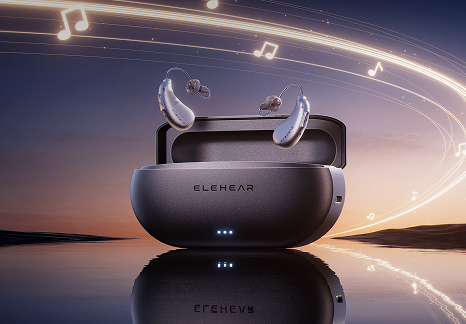
The ELEHEAR Delight represents what happens when engineers design a hearing aid with active users as the primary audience rather than an afterthought. Built with robust moisture resistance, this device handles the sweat generated during intense cardio sessions and the unexpected downpour on an afternoon bike ride without compromising audio quality. Its lightweight, ergonomic housing sits securely during dynamic movement—whether you’re navigating rocky terrain on a trail run or powering through a group fitness class—without creating the pressure hotspots that make many users remove their devices mid-activity.
What makes the ELEHEAR Delight particularly practical for active lifestyles is how it combines durability with intuitive daily use. The device offers app-based sound customization, allowing users to adjust amplification profiles for different environments—switching from a wind-noise reduction setting during cycling to a speech-enhancement mode for post-workout conversations at a café. Consider the weekend hiker who previously removed hearing aids before every outing due to moisture anxiety: with the ELEHEAR Delight, that compromise disappears. The device stays in, the trail sounds come alive, and conversations with hiking partners remain clear from trailhead to summit. This kind of seamless integration between hearing technology and physical activity is exactly what active adults with mild to moderate hearing loss have been waiting for.
Step-by-Step Guide to Choosing and Using OTC Hearing Aids for Activity
Selecting the right OTC hearing aid for an active lifestyle requires more than browsing reviews—it demands a structured approach that accounts for your specific activities, environments, and daily demands. The following steps will help you move from uncertainty to confident, informed use of a device that enhances rather than hinders your movement-filled life.
Step 1: Assess Your Activity Profile and Environment
Start by cataloging your weekly activities and the conditions they involve. A trail runner training five days a week in humid Southern summers faces very different demands than a weekend golfer in a dry climate. Write down your primary activities, their intensity levels, typical duration, and environmental factors like dust exposure, humidity, altitude changes, or temperature extremes. Consider whether you frequently transition between environments—say, from a sweaty gym session to a cold outdoor walk—since rapid temperature shifts cause condensation inside devices. Also note social contexts: do your activities involve conversation, like group cycling or tennis doubles? This profile becomes your personal requirements document, guiding every subsequent decision about features and models.
Step 2: Evaluate Key Features and Products
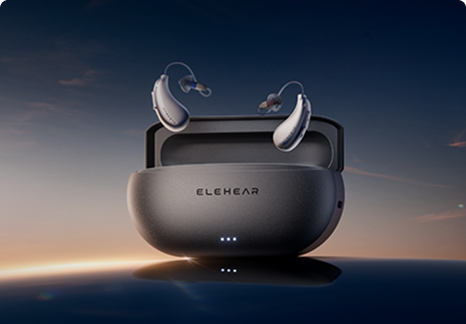
With your activity profile in hand, build a checklist of non-negotiable features. For high-sweat activities, prioritize devices with IP67 or higher ratings and nano-coated internals. For activities involving rapid movement or impact, look for secure-fit designs with sport fins or contoured hooks weighing under five grams. Battery life should exceed your longest typical activity by at least two hours as a safety margin. Bluetooth connectivity and app-based controls let you adjust settings without removing the device. Compare specific models against your checklist—options like the ELEHEAR Delight, for example, check moisture resistance, lightweight ergonomic design, and app customization boxes simultaneously. Read user reviews from people with similar activity profiles rather than general consumers, as their real-world feedback reveals performance under relevant stress conditions.
Step 3: Implementation and Adjustment for Active Use
Once you’ve chosen a device, resist the urge to wear it during your most demanding activity on day one. Begin with low-intensity sessions—a brisk walk or gentle yoga class—to acclimate to the fit and sound profile during movement. Gradually increase intensity over one to two weeks, paying attention to any slippage, discomfort, or audio feedback during specific motions. Use your device’s app to create activity-specific sound profiles: reduce wind noise amplification for cycling, boost speech frequencies for group sports. After each session, wipe the device with a dry microfiber cloth and store it in a dehumidifying case overnight. If you experience persistent feedback during jaw movement or discomfort after thirty minutes of wear, experiment with different ear tip sizes before assuming the device itself is problematic. This gradual, methodical integration ensures your hearing aids become a natural extension of your active routine rather than a source of frustration.
Embracing Better Hearing Without Compromising Your Active Lifestyle
The answer is clear: OTC hearing aids absolutely can suit an active lifestyle—provided you choose devices engineered for the demands you’ll place on them. The key lies in matching your specific activities and environments to features that matter most, particularly moisture resistance, secure fit, and durable construction. Manufacturers are listening to active users, building hearing aids that thrive in sweat, rain, and constant motion rather than merely surviving them. You no longer need to choose between hearing clearly and living adventurously. By assessing your activity profile honestly, prioritizing proven protective features like high IP ratings and nano-coated components, and integrating your device gradually into your routine, you set yourself up for success rather than disappointment. The technology has caught up with your lifestyle. Whether you’re chasing trail miles, paddling open water, or simply keeping pace with conversation during a group bike ride, the right OTC hearing aid becomes invisible in the best way—letting you focus entirely on the experience while the sounds you’ve been missing return naturally to your world.
