We’ve all been there — standing over the stove, watching in frustration as pancakes cook unevenly with burnt edges and raw centers, or scraping desperately at fried eggs that have welded themselves to the pan’s surface. These everyday cooking battles turn what should be an enjoyable experience into a stressful chore. Enter the nonstick griddle pan, a versatile kitchen workhorse that quietly solves many of the problems home cooks face daily. With its broad, flat cooking surface and reliable food release, a quality griddle pan transforms breakfast routines, weeknight dinners, and weekend meal prep into something genuinely effortless. In this article, we’ll explore why a nonstick griddle pan deserves a permanent spot in your kitchen, break down the different types available, and share practical guidance on choosing, using, and maintaining one. Whether you’re tired of scrubbing stuck-on food or simply want more consistent cooking results, understanding what a griddle pan brings to the table will change how you approach home cooking.
Why a Griddle Pan is a Must-Have for Home Cooks
The griddle pan earns its place in the kitchen through a combination of practical advantages that address real cooking challenges. First, its flat, broad surface distributes heat evenly across the entire cooking area, eliminating the hot spots that plague standard frying pans. This means your pancakes brown uniformly, your bacon crisps at the same rate from edge to edge, and delicate items like fish fillets cook through without scorching. The consistency alone makes mornings less stressful and results more predictable.
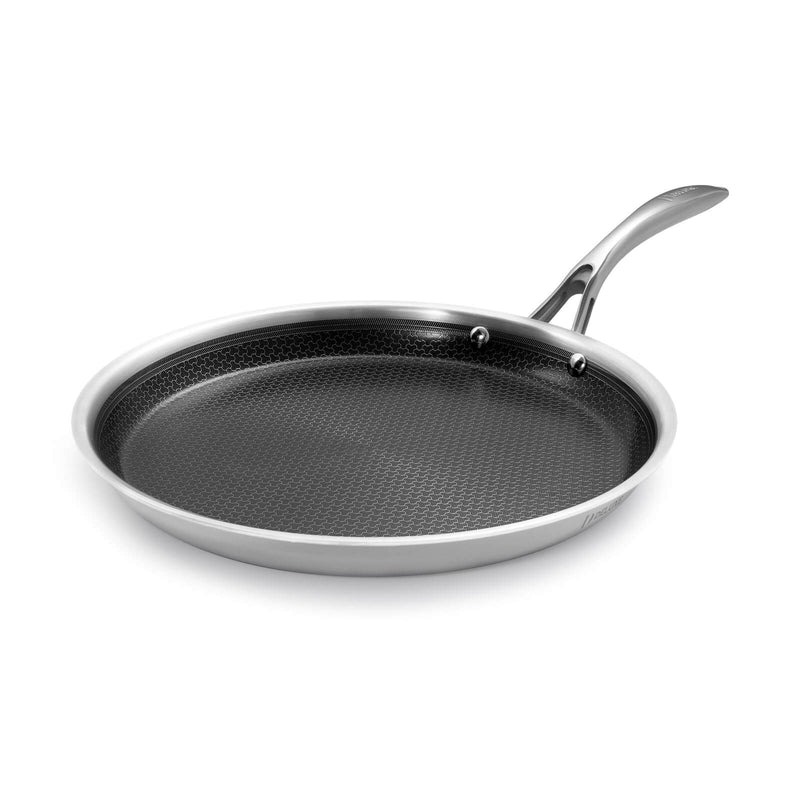
Beyond even heating, the griddle pan’s versatility is remarkable. It handles breakfast staples like eggs, French toast, and hash browns with equal ease, then transitions seamlessly to lunch duties — think pressed sandwiches, quesadillas, and grilled vegetables. At dinner, it becomes a platform for searing chicken breasts, cooking burgers, or preparing hibachi-style meals. This single pan replaces the need for multiple specialized pieces of cookware.
The nonstick surface adds another dimension of practicality. Cooking with minimal oil becomes genuinely possible, which appeals to health-conscious households without sacrificing flavor or texture. Foods release cleanly, so delicate items like crepes and omelets slide off intact rather than tearing apart. For families or anyone who meal preps, the generous cooking surface means you can prepare multiple servings simultaneously — four pancakes at once instead of two, an entire batch of grilled vegetables in one go — cutting active cooking time significantly.
Solving Key Needs for Home Cooks: Durability and Easy Cleaning
Home cooks consistently cite two priorities when choosing cookware: they want pieces that last and pieces that don’t require exhausting cleanup sessions. A well-made nonstick griddle pan addresses both concerns directly. Modern nonstick coatings have evolved considerably from earlier generations. Today’s high-quality options feature multi-layer coating systems reinforced with minerals or diamond particles that resist scratching and wear through years of regular use. This means the pan maintains its food-release properties long after cheaper alternatives have degraded and started sticking.
The cleaning advantage of a griddle pan is perhaps its most immediately appreciated benefit. The smooth, uninterrupted cooking surface — often designed as a single seamless piece without rivets or crevices where food particles hide — wipes clean with minimal effort. After cooking, a soft sponge and warm soapy water handle most residue in under a minute. Compare this to scrubbing a traditional pan with stuck-on cheese or caramelized sugars, or washing multiple pots and pans after using separate cookware for each component of a meal. The griddle consolidates cooking onto one easy-to-clean surface, reducing both the number of dishes and the effort each one requires. For busy households where time is precious, this streamlined cleanup process transforms the post-meal routine from a dreaded task into a quick, painless step.
Exploring Different Types of Griddle Pans
Not all griddle pans are created equal, and understanding the material differences helps you invest in the right one for your cooking style. Each type brings distinct strengths to the kitchen, and the best choice depends on what you cook most often, how much maintenance you’re willing to perform, and whether specific health or environmental considerations matter to your household. Let’s break down the three most common categories you’ll encounter when shopping.
Nonstick Coated Griddle Pans
Traditional PTFE-based nonstick griddle pans remain the most popular choice for home cooks, and for good reason. They deliver the most forgiving cooking experience — eggs slide freely without any oil, pancake batter releases without tearing, and even melted cheese lifts away cleanly. These pans require virtually no learning curve, making them ideal for beginners or anyone who prioritizes speed and convenience. However, they do demand careful handling. Metal utensils, abrasive scrubbers, and excessive heat above medium-high can degrade the coating over time. With proper care — using silicone or wooden tools and avoiding overheating — a quality PTFE griddle pan performs reliably for several years before the coating shows meaningful wear.
Ceramic Griddle Pans
Ceramic nonstick griddle pans appeal to cooks who want a PFOA-free, environmentally conscious option without sacrificing ease of use. The ceramic coating handles high heat efficiently and provides good food release when the pan is relatively new. These pans heat up quickly and distribute warmth well across the flat surface. The trade-off is longevity — ceramic coatings tend to lose their nonstick properties faster than PTFE alternatives, sometimes within one to two years of regular use. If you’re comfortable replacing your griddle pan more frequently or you cook at higher temperatures where ceramic excels, this is a solid option that aligns with health-focused kitchen values.
Stainless Steel Griddle Pans
Stainless steel griddle pans cater to cooks who want professional-grade durability and don’t mind a slightly steeper technique requirement. These pans won’t peel, chip, or degrade over time — they’re essentially permanent additions to your kitchen. The key to success with stainless steel is proper preheating and using adequate oil; once the pan reaches the right temperature, food releases surprisingly well through the natural Leidenfrost effect. Stainless steel griddles are fully oven-safe at any temperature, making them versatile for finishing dishes under the broiler or transferring to the oven. They also develop better fond — those flavorful browned bits — for pan sauces. If you value longevity above all else and enjoy mastering technique, stainless steel rewards your investment indefinitely.
How to Choose the Right Griddle Pan for Your Kitchen
Selecting the right griddle pan starts with measuring your stovetop. A pan that’s too large for your burner will heat unevenly around the edges, defeating one of the griddle’s core advantages. For standard home burners, a griddle that spans one or two burners works well, but confirm it sits flat and stable on your specific cooktop — particularly important for glass or induction surfaces. Also consider storage: a rectangular griddle takes up more cabinet space than a round one, so think about where it will live when not in use.
Next, match the material to your cooking habits. If you cook eggs and pancakes most mornings and want zero-fuss cleanup, a PTFE nonstick griddle serves you best. If high-heat searing and oven finishing are part of your routine, stainless steel makes more sense. Ceramic sits comfortably in between for those who want chemical-free nonstick performance and don’t mind replacing the pan sooner. Handle design matters more than most people realize — look for stays-cool handles that offer a comfortable grip during flipping and maneuvering, and check whether the handle material limits oven use if that’s important to you. Finally, invest in a reputable brand known for consistent quality control. Manufacturers like Deluxe Cookware that focus on thoughtful construction and durable coatings will maintain even heat distribution and coating integrity far longer than bargain options, making them the more economical choice over time.
Mastering Your Griddle Pan: Tips and Techniques
Getting the most from your griddle pan starts with proper preheating, which is the single most important step many home cooks skip. Place your griddle on the burner and let it warm gradually over medium heat for three to four minutes before adding any food. To test readiness, flick a few drops of water onto the surface — they should dance and evaporate within a couple of seconds. Rushing this step leads to uneven cooking and, on non-coated surfaces, stubborn sticking. Patience during preheating pays off with better browning and cleaner release every time.
Temperature control varies depending on what you’re cooking. Eggs and crepes thrive at medium-low heat, giving them time to set gently without browning too quickly. Pancakes and French toast perform best at a steady medium, developing golden exteriors while cooking through completely. For searing meats or achieving char on vegetables, push the heat to medium-high — but avoid cranking to maximum, which can damage nonstick coatings and cause food to burn before the interior cooks. If you’re working with a stainless steel griddle, seasoning the surface before first use helps build a natural nonstick layer: heat the pan, apply a thin coat of high-smoke-point oil like avocado or grapeseed, and let it smoke briefly before wiping clean with a paper towel.
Once you’re comfortable with the basics, a griddle pan opens up creative possibilities beyond standard breakfast fare. Try hibachi-style meals by cooking thinly sliced vegetables and protein simultaneously across the wide surface, finishing with a drizzle of teriyaki sauce. Perfect grilled cheese sandwiches benefit from the even, consistent heat — butter the bread lightly, cook on medium-low, and press gently with a spatula for uniform golden crispness. Smash burgers work beautifully on a preheated griddle: press thin beef portions flat against the hot surface for maximum crust development. You can even use the griddle for flatbreads and naan, taking advantage of the steady heat to puff and char dough evenly. The broad surface also makes the pan ideal for cooking multiple items at different stages — start your bacon on one side while eggs cook on the other, timing everything to finish together for a complete plate without juggling separate pans.
Cleaning and Maintaining Your Griddle Pan for Longevity
Proper cleaning starts with patience. After cooking, let your griddle pan cool naturally on the stovetop or a heat-safe surface for ten to fifteen minutes — never plunge a hot pan into cold water, as thermal shock can warp the base and crack nonstick coatings. Once cooled to warm, wash the surface with a soft sponge or cloth using mild dish soap and warm water. For stubborn residue, soak the pan briefly rather than scrubbing aggressively. Dry the griddle completely with a towel before storing to prevent moisture-related damage or oxidation on metal surfaces.
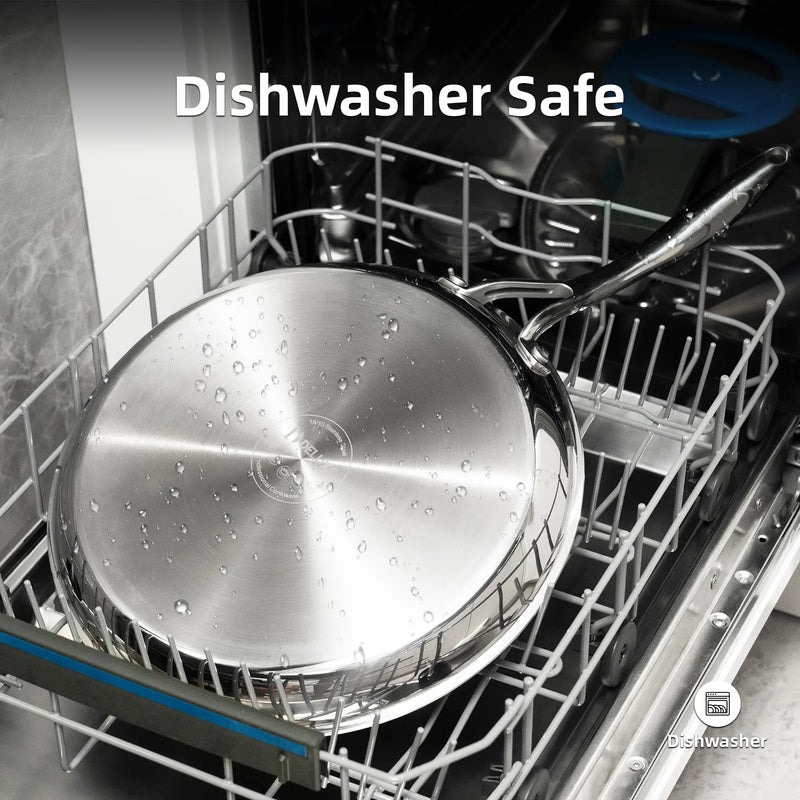
Knowing what to avoid is equally important for preserving your pan’s performance. Steel wool, abrasive powders, and scouring pads will scratch nonstick and ceramic coatings irreparably, creating spots where food begins to stick permanently. While some griddle pans claim dishwasher compatibility, hand washing consistently extends coating life — the harsh detergents and high temperatures inside dishwashers accelerate surface degradation over repeated cycles. Also avoid stacking heavy cookware directly on top of your griddle’s cooking surface during storage; use a soft liner or cloth between pans if cabinet space is tight.
Different materials benefit from slightly different maintenance routines. For PTFE nonstick griddles, a light wipe with cooking oil after every few washes keeps the surface conditioned. Ceramic pans benefit from occasional re-seasoning with a thin oil layer heated until it just smokes, which partially restores diminished nonstick properties. Stainless steel griddles should be polished periodically with a dedicated stainless cleaner to remove discoloration, and their cooking surface improves with regular seasoning using high-smoke-point oil. Following these simple habits adds years of reliable performance to whichever griddle pan you choose.
Why a Nonstick Griddle Pan Elevates Every Meal
A nonstick griddle pan quietly addresses the frustrations that make daily cooking feel like a chore. Its even heat distribution eliminates the guesswork behind perfectly browned pancakes and uniformly cooked proteins, while the expansive flat surface handles everything from weekend breakfast spreads to quick weeknight dinners with equal confidence. The versatility alone justifies its place in any kitchen — replacing multiple pans with one reliable tool that moves effortlessly between eggs, sandwiches, seared meats, and vegetables.
For home cooks who value their time, the combination of durable construction and genuinely easy cleanup delivers on a promise that cheaper or less thoughtful cookware simply cannot match. A quality griddle pan maintains its nonstick integrity through years of daily use, and its smooth surface wipes clean in moments rather than demanding the kind of scrubbing that makes you dread the sink. By choosing the right material for your habits, learning proper preheating technique, and following simple maintenance practices, you’ll own a piece of cookware that consistently elevates ordinary meals into satisfying results. The best kitchen upgrades aren’t always the flashiest — sometimes they’re the ones that make every single cooking session just a little bit easier.
