Outdoor shade has become a cornerstone of modern landscaping, directly influencing how clients experience and enjoy their exterior spaces. Whether it’s a residential patio or a commercial dining terrace, the right shade solution elevates comfort, protects against harmful UV exposure, and transforms an ordinary area into an inviting retreat. For landscapers, selecting the ideal round outdoor umbrella presents a unique challenge—balancing durability against unpredictable weather, aesthetic harmony with existing decor, and practical functionality that clients can rely on daily.
The decision involves far more than picking a color or size. Factors like UPF protection ratings, ease of operation through mechanisms such as crank lifts, and overall design elegance all play critical roles in client satisfaction. A poorly chosen umbrella can deteriorate within a season, frustrate users with cumbersome operation, or clash with the carefully designed outdoor environment. This guide provides landscapers with a practical, structured framework for evaluating and recommending round outdoor umbrellas that deliver lasting value. By understanding the key criteria and following a clear selection process, you can consistently make informed recommendations that strengthen client relationships and enhance every project you deliver.
Understanding Client Requirements for Outdoor Shade Solutions
Before recommending any round outdoor umbrella, the most critical step is conducting a thorough assessment of your client’s specific needs. This initial conversation shapes every subsequent decision and prevents costly mismatches between product and purpose. Start by evaluating the outdoor space itself—its dimensions, layout, surrounding structures, and sun exposure patterns throughout the day. A compact balcony demands a different solution than an expansive poolside deck.
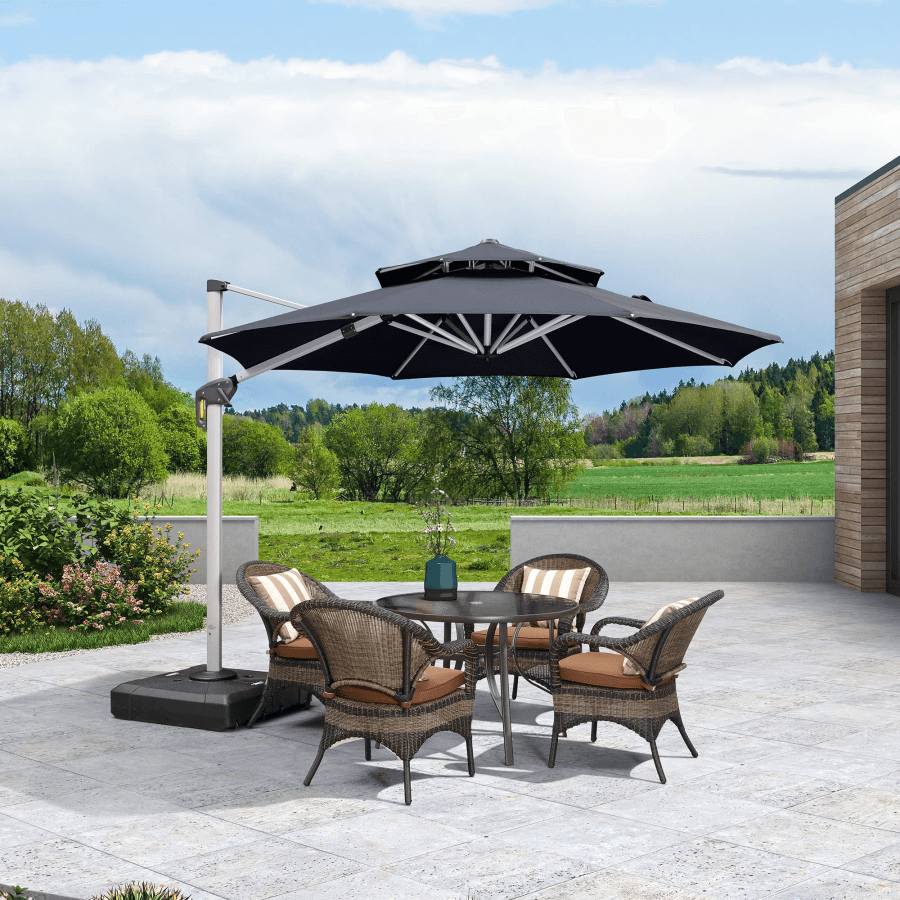
Next, determine the primary use case. A client who entertains frequently around a dining table needs consistent overhead coverage and easy operation, while someone seeking a lounging retreat may prioritize adjustable shade angles. Aesthetic preferences matter equally—some clients gravitate toward sleek, modern designs with clean lines, while others prefer the warmth of natural wood frames and traditional silhouettes that complement established garden themes.
Budget conversations should happen early and honestly. Understanding spending limits allows you to focus on options that deliver maximum value without overextending. Finally, discuss maintenance expectations openly. Clients who prefer minimal upkeep need fade-resistant fabrics and corrosion-proof frames, whereas those willing to invest time in seasonal care can consider premium natural materials. This comprehensive needs assessment ensures your recommendations feel personalized rather than generic, building immediate trust and positioning you as a thoughtful professional who prioritizes their vision above a quick sale.
Key Features to Evaluate in a High-Quality Round Outdoor Umbrella
Once you understand your client’s needs, the next phase involves scrutinizing the features that separate a reliable round outdoor umbrella from one that disappoints. Four core areas demand attention: material durability, operational ease, aesthetic design, and protective performance. Evaluating each systematically ensures your recommendation stands up to daily use and seasonal challenges.
Material and Durability: The Role of UPF Fabric Umbrellas
The canopy fabric is your client’s first line of defense against the sun, making UPF fabric umbrellas essential for any serious outdoor shade installation. A UPF 50+ rating blocks over 98% of harmful ultraviolet radiation, providing meaningful health protection during extended outdoor use. Solution-dyed acrylic fabrics excel in this category because the color is embedded within the fiber rather than applied to the surface, resulting in superior fade resistance even after years of sun exposure. Polyester options offer a more budget-friendly alternative while still delivering solid UV blocking, though they typically degrade faster under prolonged exposure. Frame material matters equally—powder-coated aluminum resists rust and remains lightweight for repositioning, while hardwood frames like eucalyptus or teak provide natural beauty and substantial weight that aids stability. When advising clients, match frame choice to environment: coastal properties benefit from aluminum’s corrosion resistance, while sheltered garden settings can showcase the elegance of wood.
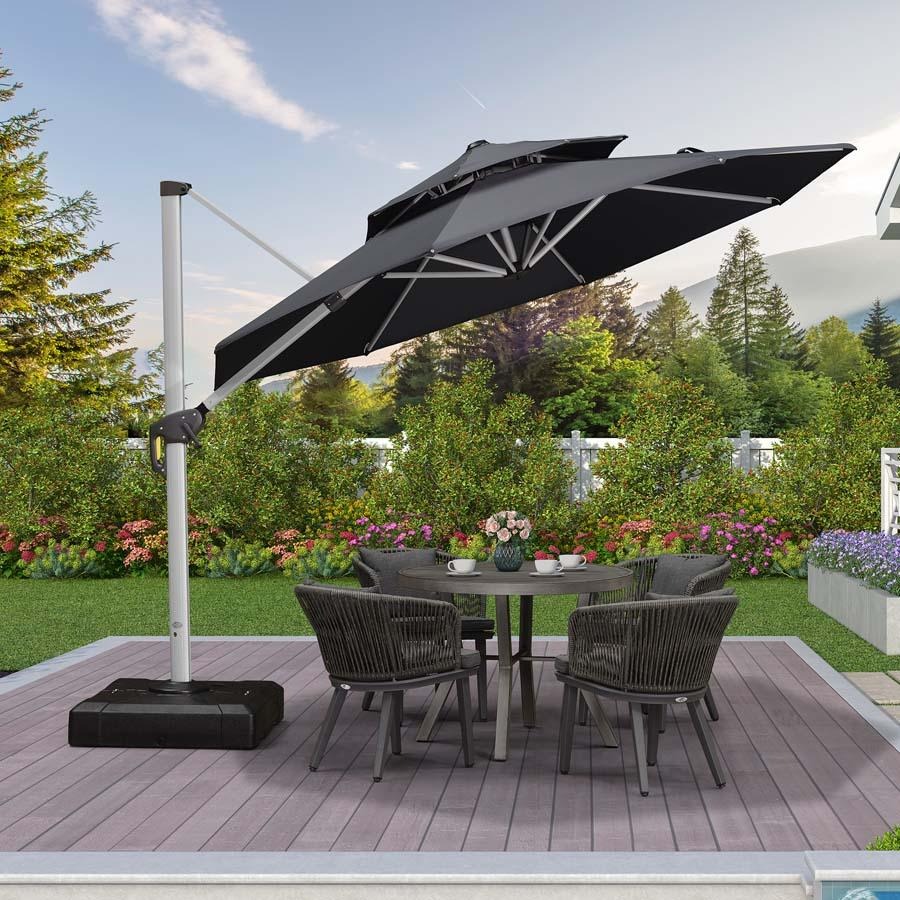
Ease of Use: Advantages of a Crank Lift Umbrella
Operational convenience directly impacts how often clients actually use their umbrella, making mechanism selection a practical priority. A crank lift umbrella allows users to open and close the canopy smoothly with minimal physical effort—a significant advantage over traditional pulley or push-up systems that require reaching overhead and applying considerable force. This matters especially for elderly clients, those with mobility limitations, or commercial settings where staff need to deploy multiple umbrellas quickly each morning. The crank mechanism also reduces wear on the canopy fabric since it eliminates the jerking and bunching that pulley systems often cause. When demonstrating options to clients, emphasize that a well-engineered crank system with metal gearing rather than plastic components will maintain smooth operation across thousands of cycles without jamming or stripping.
Aesthetic Appeal: Selecting an Elegant Patio Umbrella
An elegant patio umbrella does more than provide shade—it serves as a focal point that ties together furniture, plantings, and architectural elements into a cohesive outdoor room. Round umbrellas naturally complement circular or oval dining tables and create a soft, organic silhouette against angular building lines. Guide clients toward canopy colors that either harmonize with existing cushions and planters or provide deliberate contrast that draws the eye. Neutral tones like taupe, charcoal, and ivory offer timeless versatility, while deeper hues such as navy or forest green add sophistication without overwhelming the space. Consider pole finish as well—brushed aluminum reads contemporary, bronze suggests traditional warmth, and natural wood introduces texture. The goal is ensuring the umbrella feels intentional within the landscape rather than an afterthought dropped onto the patio.
Ensuring Comprehensive Outdoor Protection
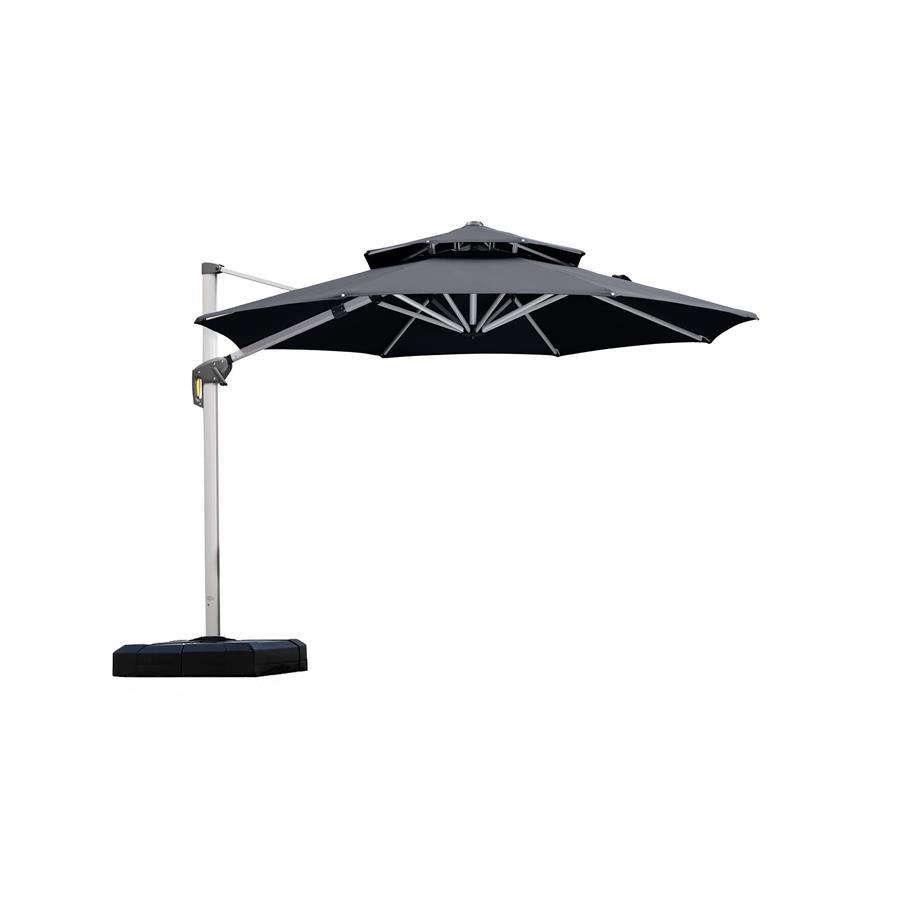
Beyond UV blocking, a high-performing round outdoor umbrella must address wind, rain, and heat buildup. Wind vents sewn into the canopy’s crown allow gusts to pass through rather than catching the fabric like a sail, dramatically reducing the risk of toppling or structural damage during sudden weather changes. Tilt functions—whether push-button or collar-operated—let users adjust the shade angle as the sun moves, maintaining coverage without relocating the entire setup. Water-resistant fabric treatments cause rain to bead and roll off, preventing pooling that stresses the frame and promotes mildew growth. For clients in regions prone to afternoon storms, recommend models combining all three features to deliver comprehensive outdoor protection that inspires confidence regardless of conditions.
Step-by-Step Guide to Selecting the Best Umbrella for Different Scenarios
Having established the critical features to evaluate, landscapers need a repeatable process that streamlines decision-making across diverse projects. Following these five steps transforms umbrella selection from guesswork into a confident, professional recommendation every time.
Step one requires defining the umbrella’s purpose based on the client’s specific space. A poolside installation faces constant moisture exposure and needs corrosion-resistant materials, while a restaurant patio demands commercial-grade construction that withstands daily opening and closing by multiple staff members. Residential dining areas prioritize aesthetic cohesion with existing furniture, and garden reading nooks call for adjustable tilt to track afternoon sun movement. Clarifying this purpose immediately narrows your options to appropriate product categories.
Step two involves measuring the coverage area precisely. A round outdoor umbrella should extend at least two feet beyond the furniture it protects on all sides to account for the sun’s changing angle. For a four-person dining table, a nine-foot diameter typically provides adequate coverage, while larger seating arrangements require eleven feet or more. Document any overhead obstructions like pergola beams or tree branches that could limit canopy height.
Step three is building a comparison checklist. For each candidate umbrella, verify the UPF rating meets at least 50+, confirm the crank lift mechanism uses metal internal components, assess whether the design complements the client’s established aesthetic, and check for wind vents and tilt functionality. Scoring each option against these criteria side by side reveals clear frontrunners quickly.
Step four addresses long-term considerations—maintenance demands and warranty coverage. Ask suppliers about fabric replacement availability, frame warranty duration, and whether replacement parts can be ordered individually. For commercial clients expecting heavy use, prioritize models backed by multi-year structural warranties. For residential projects where the umbrella may sit exposed year-round, confirm that the canopy fabric carries a separate fade-resistance guarantee.
Step five brings everything together into a tailored recommendation. For residential projects, present two or three options spanning the client’s budget range, emphasizing how each balances quality with style. For commercial installations, focus on total cost of ownership—a higher upfront investment in an elegant patio umbrella with superior materials often proves cheaper over five years than replacing budget models annually. Accompany your recommendation with visual context, showing fabric swatches against their existing furniture or rendering the umbrella within a photo of their space, so clients can envision the final result before committing.
Top Recommendations and Product Insights for Landscapers
When sourcing round outdoor umbrellas for client projects, prioritize manufacturers with proven track records in commercial-grade outdoor furnishings. Brands like PURPLE LEAF, which specialize in outdoor furniture and shade solutions, typically engineer their umbrellas with superior UPF fabric, reinforced crank lift systems, and refined design details that justify the investment. Look for suppliers offering solution-dyed acrylic canopies from recognized textile mills, as these fabrics consistently outperform generic alternatives in fade resistance and UV blocking over multi-year timelines.
Building relationships with reliable distributors gives you access to fabric swatch libraries, frame finish samples, and technical specification sheets that strengthen your client presentations. When showing options, photograph the client’s existing outdoor space and digitally overlay umbrella options to demonstrate scale and color coordination—this visual approach converts hesitant buyers far more effectively than catalog descriptions alone. Emphasize value propositions that resonate with each audience: residential clients respond to the promise of an elegant patio umbrella that enhances their home’s curb appeal, while commercial operators care about total lifecycle cost and ease of staff operation. Always verify that your recommended supplier stocks replacement canopies and mechanical parts individually, ensuring clients won’t face full replacement costs if a single component fails after warranty. This sourcing diligence positions you as a knowledgeable partner who thinks beyond the initial installation, reinforcing long-term professional relationships built on comprehensive outdoor protection and lasting quality.
Building Lasting Client Value Through Informed Umbrella Selection
Selecting the right round outdoor umbrella for your clients comes down to a disciplined approach that begins with understanding their unique needs and ends with a recommendation backed by evidence rather than assumption. The process starts with honest conversations about space, usage patterns, aesthetic vision, and budget—conversations that position you as a trusted advisor rather than simply a service provider. From there, evaluating core features like UPF fabric performance, crank lift reliability, elegant design integration, and comprehensive weather protection ensures every recommendation delivers tangible, lasting value.
Following a structured selection framework—defining purpose, measuring coverage, comparing features systematically, assessing long-term maintenance, and presenting tailored options—removes guesswork and builds consistency across every project you undertake. Clients notice when their landscaper brings this level of thoughtfulness to even a single element like shade, and that attention to detail generates referrals and repeat business. Apply this guide as your standard operating procedure for umbrella recommendations, and you’ll consistently deliver outdoor spaces that look exceptional, perform reliably, and remind clients why they chose a professional who genuinely understands their vision.
