Few moments strike more panic into a dog owner’s heart than turning around on a hiking trail or at the park and realizing your dog has vanished. For active pet parents who love exploring the outdoors with their canine companions, there’s an ongoing tension between giving dogs the freedom to run and ensuring they stay safe. A GPS collar for dog offers a modern answer to this dilemma, bridging the gap between adventure and security in ways traditional collars never could. Beyond simply pinpointing your dog’s location, today’s GPS collars serve a dual purpose—functioning as both a safety device and a pet health monitor that tracks wellness indicators in real time. With features like dog GPS tracking and activity level tracking, these smart devices empower owners to make informed decisions about their pet’s safety and well-being. Whether you’re navigating off-leash trails or simply letting your dog roam the backyard, understanding how GPS technology works for pets can transform the way you care for your four-legged friend.
Understanding the GPS Dog Collar: More Than Just a Tracker
A GPS collar for dogs is a wearable device that uses satellite technology—typically a network of orbiting GPS satellites combined with cellular data—to determine and transmit your dog’s precise location to your smartphone or computer. When your dog moves, the collar communicates with multiple satellites to triangulate its position, then relays that information through a cellular connection to a dedicated app on your device.
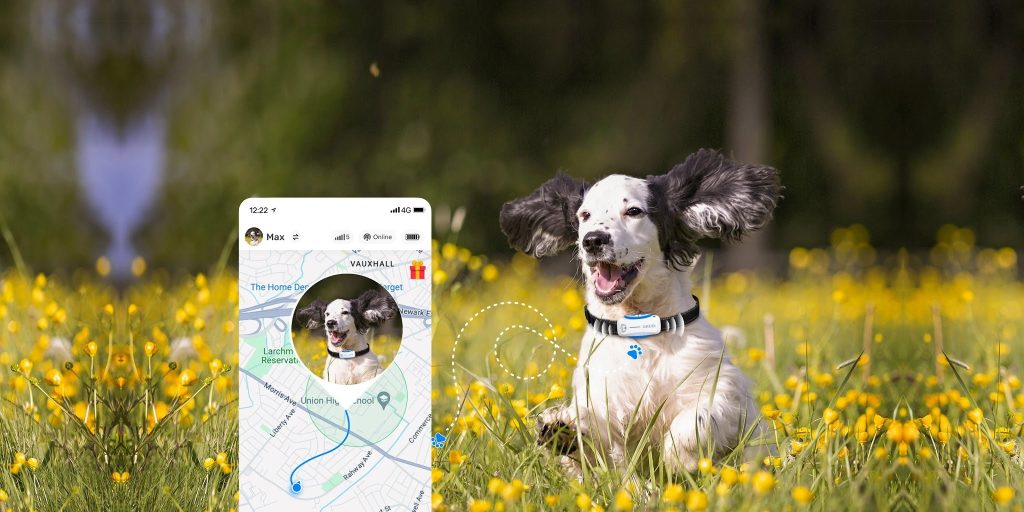
What started as basic location tracking has evolved dramatically. Today’s GPS collars function as a comprehensive pet health monitor, capturing data on movement patterns, rest periods, and overall activity throughout the day. This transformation means owners receive far more than a dot on a map—they gain a holistic view of their dog’s daily life. Real-time location updates arrive within seconds, and seamless smartphone integration allows you to check on your dog with a quick glance, whether you’re at work or across a crowded dog park. For active pet parents who hike, run, or camp with their dogs, this technology is particularly valuable. Traditional collars offer identification tags and leash attachment points, but they’re entirely passive—they do nothing if your dog bolts after a deer or slips through a fence. A GPS collar actively works to keep you connected to your dog, turning every outing into a safer, more confident experience for both of you.
Ensuring Safety with Advanced Dog GPS Tracking Features
The true value of dog GPS tracking reveals itself when something goes wrong—a gate left open, a startling thunderclap, or an irresistible squirrel darting across the trail. Advanced safety features built into modern GPS collars address these scenarios head-on, giving owners tools that actively prevent loss rather than simply helping after the fact. Most quality GPS collars are engineered for the demands of outdoor life, featuring rugged housings that withstand impacts, mud, and submersion in water. Whether your dog dives into lakes or charges through dense brush, the collar continues transmitting reliably. This durability matters because safety devices only work when they function consistently in the environments where dogs face the greatest risks.
Geofencing: Creating Safe Zones for Your Dog
Geofencing allows you to draw virtual boundaries on a digital map through your collar’s companion app. You define the perimeter—your backyard, a campsite, or a familiar off-leash area—and the system monitors your dog’s position relative to that boundary in real time. The moment your dog crosses the invisible fence line, you receive an instant push notification on your phone. Setting up a geofence typically takes under a minute: open the app, select the map view, trace your desired boundary, and activate alerts. For best results, create multiple zones for places you visit regularly, and set your boundaries slightly inside physical fences or property lines to give yourself extra response time before your dog reaches a road or unfamiliar territory.
Real-Time Location Monitoring for Emergency Situations
When your dog escapes despite precautions, live tracking becomes critical. Most GPS collars update location every few seconds during active tracking mode, displaying your dog’s movement on a map with directional indicators so you can intercept their path rather than chase from behind. Location history logs show exactly where your dog has been, helping you identify patterns or predict where they might head. Many apps also let you share a live tracking link with neighbors, fellow hikers, or local animal control, turning a solo search into a coordinated effort that dramatically improves recovery speed.
Monitoring Health Through Activity Level Tracking
Safety isn’t limited to knowing where your dog is—it also means understanding how your dog is doing physically. Modern GPS collars have expanded their role into comprehensive pet health monitor devices that capture detailed wellness data throughout the day. By continuously measuring movement intensity, rest intervals, and distance covered, these collars paint a picture of your dog’s fitness that goes far beyond what you can observe during walks alone.
Activity level tracking works by using built-in accelerometers and motion sensors alongside GPS data to quantify your dog’s daily exercise output, sleep quality, and estimated calorie expenditure. Over time, the collar establishes a baseline of normal behavior for your specific dog. This baseline becomes incredibly powerful—if your typically energetic Labrador suddenly shows a 40% drop in activity over several days, that deviation could signal pain, illness, or joint problems that aren’t yet visible to the naked eye. Early detection of such changes gives you the opportunity to consult your veterinarian before a minor issue becomes a serious health concern. Many collar apps now sync directly with veterinary platforms, allowing you to share weeks of objective data with your vet rather than relying on memory alone. For active pet parents, this data also serves a practical training purpose. If you’re building up your dog’s endurance for longer hikes or trail runs, you can monitor recovery times and ensure you’re not pushing too hard too fast, preventing overexertion injuries that sideline adventurous dogs.
Interpreting Activity Data for Optimal Dog Health
Reading your collar’s activity reports starts with understanding what’s normal for your dog’s breed, age, and size. A young Border Collie will naturally log far more active minutes than a senior Bulldog, so avoid comparing across dogs and instead track trends within your own pet’s history. Most apps display daily and weekly summaries with color-coded indicators showing whether your dog met movement goals. Set realistic fitness targets based on veterinary recommendations for your breed, then adjust gradually as your dog builds stamina. Pay close attention to sleep pattern disruptions or sudden restlessness at night—these often precede visible symptoms of discomfort. If you notice your dog’s active periods shifting to unusual times or their overall movement declining steadily over a week, schedule a checkup. The data doesn’t replace professional diagnosis, but it provides the early warning system that prompts timely action.
How to Choose and Use a GPS Collar: A Step-by-Step Guide
Selecting and implementing the right GPS collar requires balancing several practical considerations against your specific lifestyle and your dog’s needs. With numerous options available, a systematic approach ensures you invest in a device that delivers reliable dog GPS tracking and meaningful pet health monitor capabilities without frustrating limitations. The most common challenges owners face—short battery life, poor signal in remote areas, and uncomfortable fit—are all avoidable with proper research and setup.
Selecting the Right GPS Collar for Your Active Dog
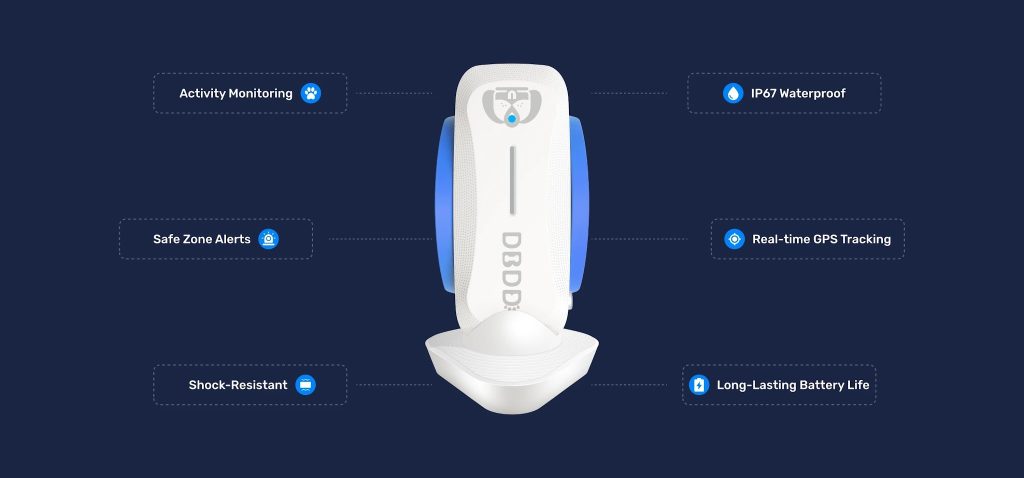
Start by evaluating your dog’s size and typical activities. Larger, more active breeds need collars with robust construction and longer battery life, since frequent movement drains power faster. If you hike in areas with limited cellular coverage, prioritize collars that offer satellite-only tracking or store location data until a signal returns. Battery life varies significantly—some collars last a few days while others stretch to weeks depending on update frequency. Consider whether you need continuous activity level tracking or if periodic check-ins suffice, as this directly impacts how often you’ll recharge. Subscription plans for cellular connectivity are standard with most GPS collars, so factor ongoing monthly costs into your decision alongside the initial purchase. Devices like the DBDD GPS Tracker offer comprehensive activity monitoring alongside real-time location features, making them worth considering if health insights matter to you. Verify that the companion app is well-reviewed and regularly updated. Finally, match the collar weight to your dog—a device that’s too heavy will cause neck strain and discourage your dog from moving naturally.
Implementation and Best Practices for Maximum Safety
Once you’ve chosen your collar, fully charge it before the first use and download the companion app to your smartphone. During initial setup, create your account, register the device, and allow the collar to acquire a GPS signal outdoors—first fixes can take several minutes. Fit the collar snugly enough that two fingers slide between it and your dog’s neck, ensuring the GPS antenna faces upward for optimal satellite reception. Establish your primary geofences immediately, starting with your home property. Build a daily routine around the collar: check battery level each morning, review the previous day’s activity summary, and confirm the device is transmitting before heading outdoors. During hikes or off-leash adventures, activate live tracking mode for continuous updates. Keep the collar’s firmware current by accepting updates when prompted, as these often improve accuracy and battery efficiency. As a backup plan, always ensure your dog also wears traditional ID tags—technology can fail, and redundancy saves lives. Clean the collar weekly to prevent skin irritation, inspect it for wear, and test alert notifications periodically so you’re never caught off guard when they matter most.
GPS Collars: A Smart Investment in Your Dog’s Safety and Well-Being
A GPS collar for dogs fundamentally changes the equation between freedom and safety for active pet parents. Through advanced dog GPS tracking features like geofencing and real-time location monitoring, these devices actively prevent loss by alerting you the instant your dog strays beyond designated safe zones—and guide you directly to them when emergencies arise. Equally important, built-in activity level tracking transforms the collar into a reliable pet health monitor, revealing exercise patterns, sleep quality, and behavioral changes that might otherwise go unnoticed until a health issue becomes serious. Together, these capabilities address the two core concerns every outdoor-loving dog owner faces: keeping their companion secure during adventures and maintaining their long-term physical well-being. The peace of mind that comes from knowing you can locate your dog in seconds and detect health shifts early strengthens the bond between you and your pet, replacing anxiety with confidence on every trail, at every park, and in your own backyard. As wearable technology for pets continues advancing, GPS collars will only grow smarter—but even today, they represent one of the most meaningful investments you can make in your dog’s safety and quality of life.
