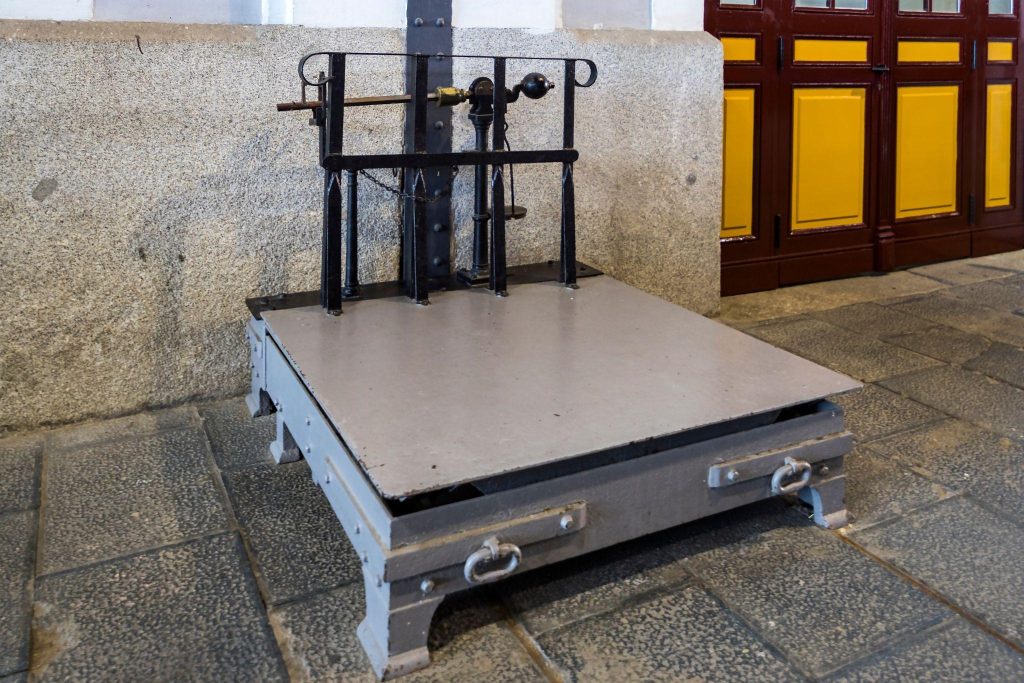
If you run a warehouse, factory, recycling yard, or freight business, a floor scale is not just another piece of equipment. It quickly becomes part of your daily routine. Pallets roll on, products get weighed, trucks get loaded, and the numbers need to be right every single time.
But not all floor scales are the same. Some are built for light work. Others are made to handle heavy loads, rough conditions, and constant use. Before you choose one, it helps to slow down and think about what you really need.
Here are the key things to consider.
1. What Are You Weighing?
Start with the basics. What will go on the scale?
Are you weighing small boxed goods? Heavy pallets? Steel parts? Bulk bags? The type of product matters because it affects the size and strength of the scale you need.
If you regularly weigh pallets, make sure the platform is large enough for a pallet jack or forklift. If items hang over the edges, you risk getting wrong readings or damaging the scale.
2. Capacity and Safety Margin
Every floor scale has a maximum weight limit. This is called its capacity. It might be 1 tonne, 2 tonnes, 5 tonnes, or more.
Choose a scale that can handle your heaviest loads comfortably. It is not wise to buy a scale that is always working at its limit. A good rule is to allow some extra room above your typical weight. That extra buffer helps protect the scale and keeps it accurate over time.
3. Accuracy and Readability
Accuracy is critical, especially if you are charging customers by weight or managing stock levels.
Check how precise the scale needs to be. In some industries, being off by a few kilos may not matter. In others, even small differences can cause problems.
Also look at the display. Is it easy to read? Can staff see it clearly from where they stand? If workers need to bend down or squint at tiny numbers, it slows down the job and increases the chance of mistakes.
4. The Work Environment
Think about where the scale will live.
Is it indoors or outdoors? Will it be exposed to dust, water, or chemicals? Is there heavy forklift traffic nearby?
In tough environments, you need a scale built with strong steel construction and protective coatings. Some workplaces also need sealed load cells to stop dirt or moisture from getting inside.
This is often the point where businesses realise they should not just buy the cheapest option online. When companies buy floor scales without checking how they are built, they often end up replacing them sooner than expected.
5. Installation and Setup
Some floor scales are simple to place on the ground and start using. Others need proper installation, ramps, or even pit mounting so they sit flush with the floor.
Think about how goods will move on and off the platform. Will staff use pallet jacks? Will forklifts drive over it? Do you need ramps on one or both sides?
A smooth setup saves time every day. Even small design choices can make a big difference to workflow.
6. Indicator and Connectivity
Modern floor scales often connect to printers, computers, or warehouse systems. If you need to track weights digitally, make sure the indicator supports that.
Some scales allow you to store data, print labels, or send information straight into your system. That can save hours of manual entry each week.
It may not seem important at first, but once your business grows, these features can become very valuable.
7. Legal and Compliance Requirements
In Australia, some businesses need trade-approved scales if they are buying and selling goods by weight.
If this applies to you, check that the scale meets the correct standards. Using the wrong type of scale can cause serious issues during inspections.
Even if trade approval is not required, it is still wise to choose equipment that meets Australian standards for safety and reliability.
8. Maintenance and Support
A floor scale is an investment. Like any equipment, it needs care.
Ask about servicing, calibration, and spare parts. Can the supplier provide support if something goes wrong? Are parts easy to source?
Choosing a reputable supplier means you are not left on your own if a problem appears. A quick repair is far better than long downtime.
9. Budget vs Long-Term Value
Price always matters. But focusing only on the cheapest option can cost more in the long run.
A well-built floor scale may cost more upfront, but it often lasts longer, stays accurate, and requires fewer repairs. Over several years, that difference adds up.
It helps to look at the total value, not just the price tag.
Making the Right Choice for Your Business
Buying a floor scale is not something most businesses do often. That is why it pays to get it right the first time.
For many Australian warehouses and factories, solutions like the MFSK Floor Scale Kit provide a strong balance of durability, ease of installation, and reliable performance. The key is finding a system that suits your day-to-day needs and can grow with you.
If you are unsure where to start, speaking with experienced suppliers can make the process far easier. Businesses across the country trust Meltrons Australia in Sydney to help them choose the right weighing solutions for their operations.
