It often starts with a call you did not expect. Your parent or spouse fell again, the explanation feels thin, and you are left trying to sort out pain, fear, and anger all at once. A fall in a nursing home is not always a simple accident. Sometimes it points to missed warning signs, too little supervision, unsafe floors, poor staffing, or a care plan that was never followed. When that happens, you are not overreacting by asking who is responsible, and speaking with a slip and fall attorney may help you understand your options.
Slip and falls in Birmingham nursing homes can lead to broken hips, head injuries, loss of mobility, and a sharp decline in health. They also raise legal questions about resident rights, facility duties, and whether the nursing home failed to provide reasonable care. If your loved one was hurt, the key issues are usually documentation, timing, and proof of what the facility knew before the fall happened.
Nursing home fall injuries often point to preventable failures
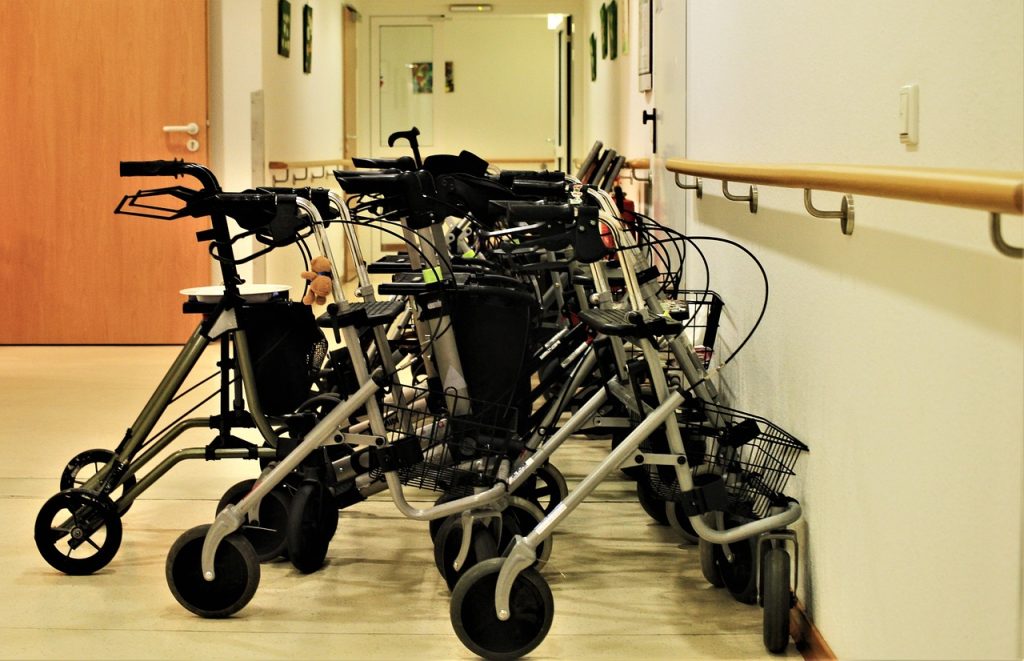
Older adults fall for many reasons, but nursing homes are supposed to reduce known risks, not ignore them. A resident may need help getting to the bathroom, a walker within reach, bed alarms, non slip footwear, medication review, or closer checks after a prior fall. When those measures are missing, a serious injury can follow fast.
You may already be hearing vague phrases like “these things happen” or “she tried to get up on her own.” That can be true, but it does not end the conversation. If a resident was known to be unsteady, confused, weak after surgery, or affected by medication, the facility should have responded with a stronger fall prevention plan. The CDC fall prevention guidance reflects what care providers already know. Fall risk is predictable, and prevention depends on consistent action.
The hard part is that families often do not see the warning signs until after the injury. Bruises may have shown up before. Call lights may have gone unanswered. A room may have had clutter, wet flooring, poor lighting, or a bed set too high. One fall can expose months of neglect.
Rights after a nursing home slip and fall include safety, dignity, and answers
Residents do not lose their rights when they enter a care facility. They still have the right to be treated with dignity, to receive proper care, to be informed about their condition, and to be free from neglect. You can review Medicare resident rights to understand the baseline protections many families rely on when a facility starts avoiding clear answers.
Those rights matter after a fall because the facility should document what happened, assess injuries, notify the proper people, and update the care plan if the resident remains at risk. If staff failed to report the fall promptly, failed to send the resident for needed treatment, or failed to change supervision after prior incidents, liability becomes a real issue.
Nursing home fall liability usually turns on negligence. Did the facility owe a duty of care? Yes. Did it breach that duty by failing to take reasonable precautions? Did that failure cause the injury? Did the injury lead to medical costs, pain, disability, or death? Those are the core questions in many personal injury lawyer reviews of these cases.
Liability in Birmingham nursing home falls depends on records, patterns, and staffing
One isolated fall with no warning signs may be harder to pursue than a fall tied to a pattern. A resident with dementia who wanders at night, a resident on medication that causes dizziness, or a resident with recent weakness after hospitalization should not be treated as low risk. If the chart shows repeated falls, complaints, or changes in condition, the facility cannot pretend the injury came out of nowhere.
Staffing issues matter more than many families realize. A care plan on paper means little if there are not enough aides to answer calls, help with transfers, or monitor high risk residents. Understaffing can turn routine care into a daily hazard. In many slip and fall cases in nursing homes, the problem is not one careless moment. It is a system that left fragile residents exposed.
If you feel pressure to accept a short explanation and move on, trust that instinct. You are allowed to ask for incident reports, chart notes, medication lists, care plans, photographs, and names of witnesses. You can also contact the Alabama long term care ombudsman if you need help raising concerns about a facility.
Key signs that a nursing home fall may involve negligence
|
Situation |
What it may suggest |
Why it matters |
|---|---|---|
|
Prior falls or repeated near falls |
Known risk was not addressed |
Shows the facility may have had notice of danger |
|
Unanswered call light or delayed help |
Poor supervision or understaffing |
Supports a claim that help was not available when needed |
|
Wet floors, clutter, bad lighting, missing handrails |
Unsafe premises |
Points to a preventable environmental hazard |
|
No updated care plan after health changes |
Failure to reassess fall risk |
Shows care may not have matched the resident’s condition |
|
Late notice to family or missing records |
Poor reporting or possible concealment |
Raises concerns about credibility and compliance |
Three steps to take right after a nursing home fall injury
1. Get the records and preserve the facts. Ask for the incident report, treatment notes, medication records, and the resident’s care plan. Take photos of visible injuries and, if possible, the room or area where the fall happened. Write down dates, names, and what staff told you. Memories shift fast, and records have a way of becoming less clear over time.
2. Watch for signs the injury is worse than it seems. A resident may say they are fine and still have a head injury, fracture, or internal pain. Falls can trigger a steep decline in older adults, especially after a hip fracture or concussion. If something feels off, push for full medical evaluation.
3. Speak with a personal injury lawyer before the story hardens. Facilities and insurers often start shaping the record early. A lawyer can review whether the fall involved neglect, poor supervision, unsafe conditions, or a broken care plan. That early review can also help protect evidence and clarify whether a claim should be filed.
Protecting your loved one after a nursing home slip and fall
You do not need to have every answer today. You do need clear facts, honest records, and a serious look at whether this injury could have been prevented. A fall can change your loved one’s health in a matter of hours, and the stress lands on your family just as fast. Taking action now can protect both your relative and your legal rights.
Also read: How Family Dentists Help Families Manage Dental Care During Job Transitions
If you believe a nursing home failed to keep your loved one safe, speak with a personal injury lawyer and get a careful review of the fall, the records, and the facility’s responsibility.
