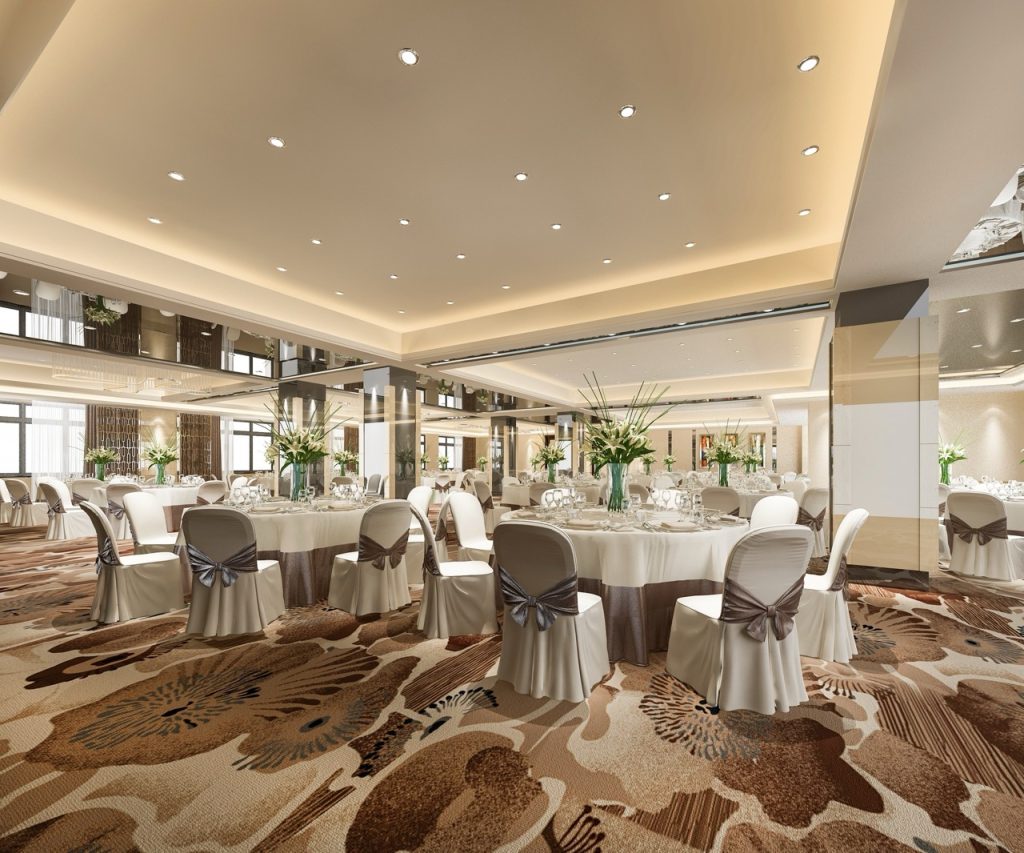
Team events often shape how people interact long after the gathering ends. A well-planned workshop, meeting, or company session can strengthen communication and help ideas move forward. The environment where these moments happen plays a quiet but important role. Space affects how people speak, listen, and work together.
Companies across major business hubs like Singapore regularly search for event spaces that support both productivity and comfort. The number of available venues can make the selection process confusing. This guide explains practical factors that help teams compare options and select a space that fits the purpose of their event.
Key Factors to Consider When Selecting Event Spaces for Teams
Choosing the right venue takes more thought than scanning a list of available spaces. A team event carries a purpose, and the venue should support that goal without creating unnecessary limitations. Some locations look impressive at first glance but fail to support the way people interact during meetings or workshops.
Several important considerations can help teams narrow their options and choose a venue that truly fits the purpose of the event.
Define the Purpose of the Event
Every event begins with a reason. Teams may gather for training sessions, project discussions, leadership meetings, or company celebrations. Each type of event requires a different atmosphere.
Training sessions often work best in spaces where participants can see presentations clearly and interact easily. Workshops may need tables arranged for group discussions. A company celebration might benefit from an open and relaxed layout.
When planners define the goal of the event early, the venue search becomes more focused. Instead of reviewing dozens of options, attention can shift to spaces that support the intended activity.
Clear goals also guide decisions about seating, equipment, and room size. A venue that matches the purpose of the event helps participants stay engaged throughout the day.
Estimate Attendance and Space Requirements
Guest count influences many parts of event planning. A venue that feels crowded can make participants uncomfortable. People struggle to move around or participate in discussions. A room that feels too large creates a different issue. Conversations may feel scattered, and the event can lose its energy.
Planners should calculate attendance carefully before reviewing venue options. Seating arrangements also matter. Theatre-style layouts work well for presentations, while round tables often support discussions and collaboration.
Extra space should remain available for movement, equipment, and networking areas. Attendees often appreciate room to stretch, speak privately, or take short breaks.
Accurate attendance estimates allow planners to select a venue that feels comfortable and balanced.
Consider Accessibility and Location
Location shapes the overall experience for everyone attending the event. Travel time influences attendance and punctuality. Venues placed near transport hubs or business districts often attract better participation.
A central location also helps external guests and partners reach the venue without difficulty. Clear directions and nearby transport options remove unnecessary stress from the day.
The surrounding area contributes to the experience as well. Restaurants, cafés, and other services provide convenient options for breaks or informal discussions after the event.
Accessibility should not feel like an afterthought. When reaching the venue feels simple, participants arrive ready to engage.
Compare Layout Flexibility and Room Setup
The way a room is arranged can shape how people communicate during the event. A rigid layout may limit discussion or movement. Flexible venues allow planners to adjust seating arrangements to match the event schedule.
Some sessions require presentation-focused seating. Others involve group work or small discussions. Venues that support multiple layouts provide greater flexibility for organisers.
Movable furniture, adjustable lighting, and adaptable room divisions can improve the experience for both speakers and attendees. Teams sometimes change the setup between sessions, especially during longer workshops.
Evaluate Facilities and Technology Support
Technology plays a central role in modern events. Presentations, video meetings, and online collaboration tools often form part of the agenda. Reliable equipment allows speakers and participants to communicate clearly.
Projectors, presentation screens, and microphones improve visibility and sound quality. Internet connectivity allows teams to connect with remote participants or access shared materials.
Teams comparing spaces for venue booking often review these technical details before making a decision. Equipment availability, staff assistance, and connection quality can affect how smoothly the event runs.
Review Budget and Overall Value
Budget always influences venue selection. Many planners start by comparing rental costs, though price alone rarely tells the full story.
Some venues include services and equipment within the rental fee. Others charge additional fees for technical support, furniture adjustments, or catering arrangements.
A slightly higher price may still represent better value if the venue includes services that reduce planning effort. Teams benefit from looking at the complete package rather than focusing only on the base cost.
Understanding overall value helps planners select spaces that meet both financial and operational expectations.
Visit the Venue Before Finalizing
Photos and website descriptions provide helpful information, though they rarely reveal every detail of a venue. Visiting the location allows planners to observe the environment directly.
A site visit helps confirm room size, lighting conditions, and seating arrangements. Planners can also test equipment or review available facilities.
Walking through the space often reveals practical details that online listings may overlook. Entrance areas, hallway space, and sound levels all influence the event experience. Seeing the venue in person often builds confidence in the final decision.
Conclusion
Team events continue to play an important role in how organisations communicate and collaborate. A thoughtful venue choice can support discussions, learning sessions, and shared experiences that strengthen team connections. Planners who take time to evaluate purpose, layout, technology, and overall environment often create more engaging events.
As companies continue organising workshops and gatherings, careful venue booking will remain an important part of successful planning. The right space does more than host an event. It shapes conversations, encourages participation, and influences how teams work together long after the event ends.
