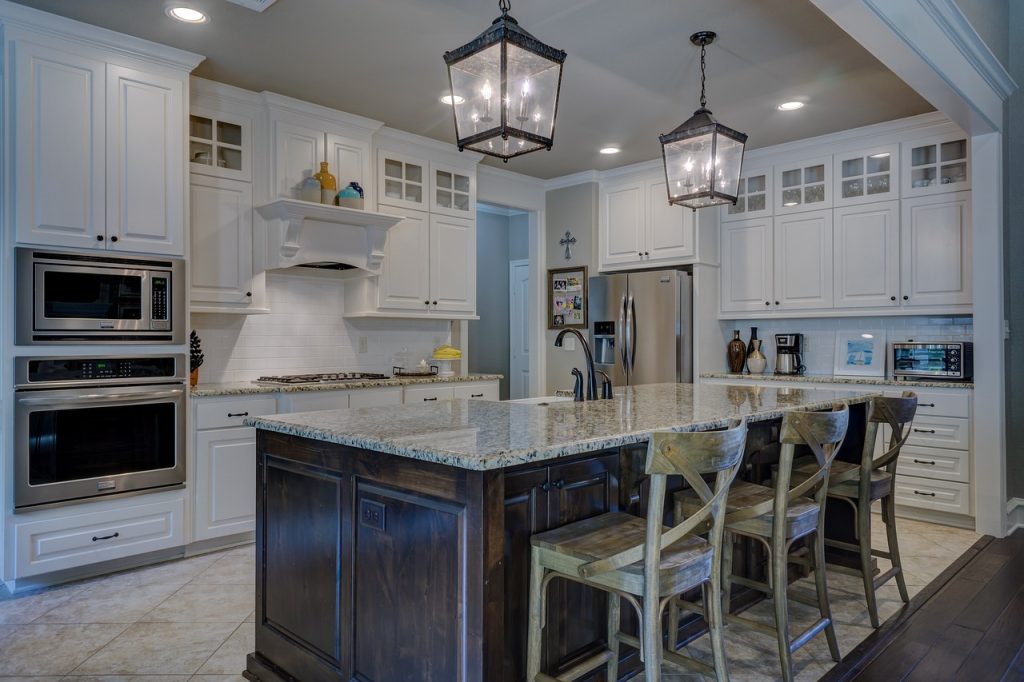
Refrigeration has become an essential part of modern living, extending far beyond the traditional kitchen refrigerator. From preserving wine collections and keeping beverages ready for guests to maintaining controlled storage conditions for medical products, specialized cooling equipment serves a wide range of residential and commercial needs. As kitchens become more sophisticated and businesses place greater emphasis on product quality, choosing the right refrigeration system is increasingly important.
Wine coolers, beverage refrigerators, outdoor cooling units, and medical refrigerators are designed for different purposes. Although they share the same basic principle of removing heat, their temperature requirements, internal layouts, construction materials, and control systems can vary considerably. Understanding these differences helps homeowners, restaurant operators, retailers, and healthcare professionals make informed decisions.
Why Specialized Refrigeration Matters
A conventional refrigerator is suitable for everyday food storage, but it may not provide the ideal conditions for every product. Wine, for example, benefits from stable storage temperatures and minimal vibration, while beverages require convenient access and sufficient space for different container sizes. Medical products can demand much tighter temperature control and monitoring.
Specialized refrigeration equipment addresses these distinct requirements through purpose-built designs. Adjustable shelves, digital temperature displays, efficient compressors, controlled airflow, and insulated cabinets all contribute to more suitable storage environments.
For commercial buyers, reliability is particularly important. Refrigeration equipment may operate for long hours every day, making energy consumption, maintenance requirements, cooling consistency, and component quality important factors when evaluating a product.
Wine Coolers: Protecting Quality and Improving Presentation
Wine storage requires more consideration than simply placing bottles inside a cold cabinet. Temperature fluctuations can affect wine over time, while excessive vibration and unsuitable humidity conditions may interfere with proper storage.
A dedicated wine cooler is designed to create a more consistent environment for a collection. Many models feature specialized shelving that supports bottles securely, reduces unnecessary movement, and makes different labels easier to identify. Glass doors and interior lighting can also turn a wine cabinet into an attractive feature in a kitchen, dining room, or entertainment area.
Single-Zone and Dual-Zone Options
Single-zone wine coolers maintain one temperature setting throughout the cabinet. They are suitable for users who primarily store one type of wine or want a straightforward solution for a small collection.
Dual-zone models provide two independently controlled temperature areas. This arrangement can be useful for households or hospitality businesses that store red and white wines together and want to accommodate their different serving requirements.
Before purchasing a wine cooler, buyers should consider bottle capacity, installation dimensions, ventilation clearance, noise levels, and whether the cabinet will be built into furniture or used as a freestanding appliance.
Beverage Coolers for Homes and Commercial Spaces
Beverage coolers offer convenient storage for bottled water, soft drinks, juices, canned beverages, and other refreshments. They are commonly used in home kitchens, offices, hotels, cafés, restaurants, and entertainment spaces.
Unlike general-purpose refrigerators, beverage coolers often prioritize visibility and accessibility. Glass doors, adjustable shelving, organized compartments, and interior lighting make it easier to identify products quickly. For businesses, this can improve customer convenience while helping staff manage stock more efficiently.
Capacity should match the intended application. A compact cooler may be sufficient for a home bar or small office, whereas a restaurant or hospitality venue may need a larger cabinet with durable shelving and dependable cooling performance during frequent door openings.
Energy efficiency also deserves attention. A refrigerator that operates continuously can contribute significantly to electricity costs over its service life. Comparing energy ratings, insulation quality, compressor performance, and expected operating conditions can help buyers balance purchase price against long-term expenses.
Outdoor Refrigeration for Patios and Outdoor Kitchens
Outdoor kitchens have become popular additions to residential properties, restaurants, and hospitality venues. These spaces may include grills, preparation counters, sinks, beverage stations, and dedicated refrigeration equipment. Having a refrigerator nearby reduces the need to move repeatedly between indoor and outdoor cooking areas.
However, outdoor refrigeration involves challenges that indoor appliances are not necessarily designed to handle. Ambient temperatures, humidity, rain exposure, dust, and changing weather conditions can affect cooling performance and equipment longevity.
An outdoor rated refrigerator is designed for the environmental demands specified by its manufacturer, making it a practical option for suitable outdoor kitchens, patios, and entertainment areas. Buyers should verify the appliance’s approved installation conditions rather than assuming that any refrigerator can be placed outside.
What to Check Before Installing an Outdoor Refrigerator
Weather resistance is one of the first considerations. Look for clearly documented protection ratings, appropriate sealing, corrosion-resistant materials, and construction suited to the intended environment. An IP rating, where provided, describes specific protection against water or solid particles; it should not be interpreted as proof that a unit can withstand every weather condition.
Ventilation is equally important. Refrigerators need to release heat efficiently, and inadequate airflow around the cabinet can increase energy use or place additional stress on the cooling system. Built-in outdoor models should be installed according to the manufacturer’s clearance and ventilation instructions.
Buyers should also check the specified ambient operating-temperature range, electrical requirements, drainage provisions where applicable, and whether the location requires additional shelter. Choosing equipment designed for the actual installation environment can help reduce premature wear and unnecessary service calls.
Medical Refrigerators: Precision for Sensitive Products
Medical refrigerators serve a different purpose from household and beverage cooling appliances. They are used in healthcare facilities, laboratories, pharmacies, and other professional settings to store temperature-sensitive products, including certain vaccines, pharmaceuticals, and biological materials.
These applications require careful temperature management because exposure to unsuitable conditions can compromise product quality. Depending on the intended use, a medical refrigerator may include digital monitoring, audible or visual alarms, temperature-recording functions, and other safeguards designed to help staff identify problems quickly.
Why Monitoring and Temperature Stability Matter
A displayed temperature alone does not necessarily demonstrate that every part of a cabinet remains within the required range. Air circulation, cabinet loading, door openings, room temperature, and equipment condition can influence internal temperatures.
Professional buyers should therefore evaluate the refrigerator’s specified operating range, temperature uniformity, monitoring features, alarm functions, and relevant certifications or regulatory requirements. They should also establish appropriate procedures for checking temperatures, responding to alarms, and documenting storage conditions.
Medical refrigeration should always be selected according to the products being stored and the applicable professional guidelines. A standard beverage cooler or domestic refrigerator should not be assumed to meet medical storage requirements.
What to Look for in a Refrigeration Manufacturer
Whether purchasing a wine cabinet for a residential project or specialized refrigeration equipment for commercial distribution, the manufacturer’s capabilities can influence product quality and long-term satisfaction.
Temperature-control engineering: Ask how the manufacturer tests temperature stability, airflow, cooling recovery, and performance under specified operating conditions.
Quality assurance: Consistent production depends on more than a final inspection. Component checks, assembly standards, electrical safety testing, and performance verification help identify potential problems before products leave the factory.
Customization options: Businesses developing private-label appliances may need particular dimensions, cabinet finishes, shelving arrangements, door designs, control systems, or branding. Original equipment manufacturer (OEM) and original design manufacturer (ODM) services can help accommodate these requirements.
Compliance and documentation: Confirm that the products meet the standards required in the destination market and intended application. Certification requirements vary according to product category, country, and use.
After-sales support: Spare-parts availability, technical documentation, warranty terms, and access to qualified service assistance are important considerations for businesses purchasing equipment in volume.
SUNNAI, a refrigeration manufacturer established in 2010, offers specialized products including wine coolers, beverage coolers, outdoor refrigeration equipment, dry-aging cabinets, and medical refrigerators. Its manufacturing capabilities and OEM/ODM services are relevant to businesses seeking refrigeration products for different market segments.
Maintenance Practices That Support Long-Term Performance
Even well-designed refrigeration equipment requires appropriate care. Regular maintenance can help preserve cooling efficiency, identify developing problems, and extend the useful life of an appliance.
Keep ventilation openings clear and follow the manufacturer’s instructions for cleaning condenser areas and cabinet surfaces. Inspect door seals for damage, because gaps can allow warm air to enter and make the cooling system work harder. Avoid overloading shelves or blocking internal airflow, and check that doors close securely after use.
Temperature settings should reflect the equipment’s intended purpose. Wine storage, beverage cooling, and medical applications have different requirements, so one setting should not be applied indiscriminately to every type of refrigerator.
For medical units, maintenance should also follow documented procedures for monitoring, alarm testing, calibration where required, and handling temperature excursions. Professional servicing is advisable whenever a cooling system shows persistent fluctuations, unusual noise, repeated alarms, or other signs of malfunction.
Conclusion
Specialized refrigeration supports a wide range of everyday and professional activities, from preserving wine and serving chilled beverages to creating functional outdoor kitchens and maintaining controlled medical storage conditions. Each application places different demands on temperature management, cabinet design, durability, and monitoring.
By understanding these differences, buyers can select equipment that better matches their space, operating environment, and storage needs. Evaluating product specifications, manufacturing quality, energy efficiency, compliance, and after-sales support can also make a meaningful difference over the appliance’s lifetime.
Also read: Why a Smooth Garage Door Starts With the Right Installation
As residential kitchens, hospitality venues, and professional facilities continue to evolve, purpose-built refrigeration remains an important investment in convenience, product protection, and dependable daily operation.
