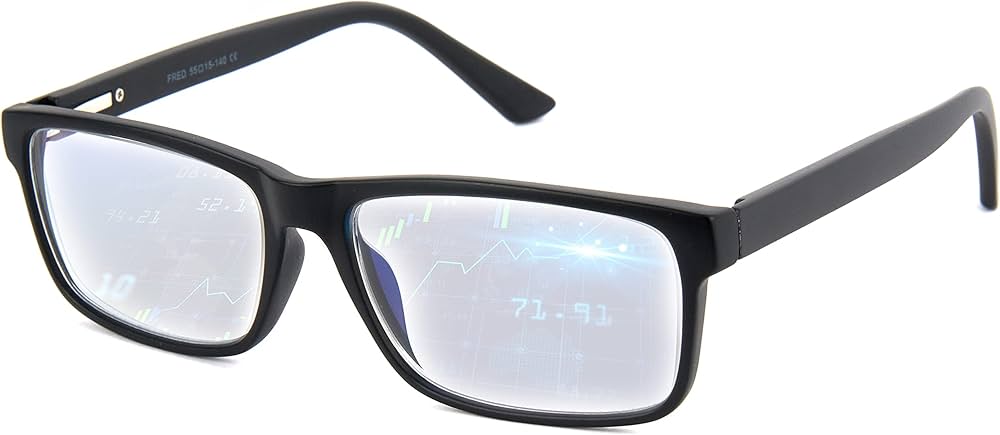
You’ve been locked into an intense ranked match for three hours straight. Your eyes feel gritty, your vision blurs at the edges, and a dull headache creeps from behind your temples. Sound familiar? For millions of gamers worldwide, digital eye strain has become an unwelcome companion to every extended gaming session. As screens dominate both our work and leisure hours, the toll on our eyes continues to mount—with gamers facing particularly high exposure due to focused, unblinking attention on fast-moving visuals.
Blue light blocking glasses have emerged as a popular solution, promising to filter the harsh wavelengths emitted by monitors and reduce the discomfort that plagues dedicated players. But do they actually work, or is it just marketing hype? This article dives into the science of blue light and its connection to eye strain, examines how these specialized lenses function, explores their specific benefits for gamers, and provides practical guidance on choosing the right pair and building habits that keep your eyes healthy through marathon sessions.
The Science Behind Blue Light and Eye Strain for Gamers
Blue light is a high-energy visible light with wavelengths between 380 and 500 nanometers, sitting just below ultraviolet on the electromagnetic spectrum. While sunlight remains the largest natural source, digital screens—monitors, laptops, smartphones, and tablets—emit concentrated amounts of artificial blue light directly into our eyes at close range. For gamers, this exposure is amplified by the intensity of focus required during gameplay, where eyes remain fixed on rapidly changing visuals for hours without adequate rest.
Understanding Blue Light from Digital Screens
Unlike the broad-spectrum blue light from the sun, the blue light emitted by LED-backlit gaming monitors is narrowly concentrated around 450 nanometers—the peak wavelength associated with the most energetic and potentially irritating output. This artificial source hits the retina at a much closer distance than natural light, often just two to three feet away during gaming. The combination of proximity, duration, and intensity makes gaming monitors a particularly potent source of blue light exposure compared to casual screen use. Many gamers also play in darkened rooms where pupils dilate, allowing even more blue light to enter the eye and intensify visual discomfort over time.
How Blue Light Contributes to Eye Strain
Blue light scatters more easily than other visible wavelengths, which forces the eye to work harder to maintain focus and creates a subtle visual “noise” that the brain must constantly filter. During gaming, blink rates drop by as much as 60 percent compared to normal activity, leading to inadequate tear film distribution and the dry, gritty sensation gamers know all too well. The high-energy wavelengths also contribute to increased glare perception on screen surfaces, compounding fatigue. Over extended sessions, these mechanisms accumulate—resulting in headaches, blurred vision, neck tension, and difficulty maintaining the sharp reaction times that competitive play demands. The strain isn’t just uncomfortable; it directly undermines the performance gamers are trying to protect.
How Blue Light Blocking Glasses Work to Protect Vision
Blue light blocking glasses function by intercepting specific wavelengths before they reach your eyes, acting as a selective filter between your gaming monitor and your retina. The core technology relies on specialized lens treatments—either embedded pigments within the lens material itself or multi-layer coatings applied to the surface—that absorb or reflect blue light in the 380-450 nanometer range. By reducing the volume of high-energy visible light that passes through to your eyes, these lenses aim to decrease the cumulative strain that builds during focused screen time, allowing gamers to maintain visual comfort deeper into their sessions.
Technology and Types of Blue Light Blocking Lenses
Two primary approaches dominate the market. Tinted lenses incorporate amber or yellow pigments directly into the lens material, filtering a broad spectrum of blue light—often blocking 40 to 65 percent of wavelengths below 450 nanometers. These provide aggressive filtration but alter color perception, which can affect how games look on screen. Clear-coated lenses use anti-reflective multilayer coatings that selectively reflect blue light wavelengths while allowing most other visible light through, typically filtering 15 to 30 percent with minimal color distortion. For gamers who rely on accurate color rendering in competitive titles, clear coatings often represent the better compromise. When evaluating quality, look for lenses tested against standards like EN ISO 12312-1 or those with verified spectral transmission data showing exactly which wavelengths are blocked and at what percentage.
Evidence on Reducing Blue Light Exposure
Research on blue light filtering lenses presents a nuanced picture. A 2017 study published in the journal Ophthalmic and Physiological Optics found that participants wearing blue-blocking lenses reported improved subjective comfort during prolonged screen use, particularly in low-light environments common to gaming setups. Optometrists specializing in digital eye health, including those affiliated with the American Academy of Ophthalmology, acknowledge that while blue light alone may not cause permanent damage, reducing its intensity can ease the accommodative stress and glare sensitivity that drive discomfort symptoms. The measurable reduction in blue light transmission—confirmed through spectrometry testing of quality lenses—translates to less scatter within the eye and reduced effort to maintain sharp focus, which many gamers report as noticeably less fatigue after adopting filtered eyewear for their sessions.
Benefits of Blue Light Blocking Glasses for Gamers
For gamers who routinely push past the three-hour mark, blue light blocking glasses offer targeted relief that addresses the specific demands of competitive and recreational play. The primary advantage lies in extending the window of comfortable, focused gaming before fatigue sets in. By reducing the high-energy wavelengths that force your visual system to work overtime, these lenses help maintain the crisp perception and rapid response times that degrade as strain accumulates. Gamers consistently report that sessions feel less punishing—not because the glasses eliminate all sources of discomfort, but because they remove one significant contributor to the cascade of symptoms that builds over time.
Alleviating Eye Strain in Extended Gaming
The most immediate benefit gamers notice is a reduction in the headaches and dry-eye sensation that typically surface two to three hours into a session. By filtering the scattered blue wavelengths responsible for glare and accommodative stress, these glasses allow the ciliary muscles inside the eye to relax slightly, reducing the tension that radiates into temples and forehead. Community forums and gamer testimonials frequently cite fewer instances of needing to pause mid-match due to blurred vision or burning sensations. The ergonomic benefit compounds over weeks of consistent use—gamers who wear blue light lenses regularly report that their overall tolerance for screen time improves, meaning less recovery time between sessions and fewer mornings waking with residual eye fatigue from the previous night’s gameplay.
Enhancing Comfortable Vision for Performance
Beyond symptom relief, well-designed gaming eyewear supports performance through comfort features that disappear during use. Lightweight frames under 30 grams prevent pressure points on the nose and ears that become distracting during extended wear. Slim temple arms sit flush beneath over-ear headset cushions rather than creating painful pinch points. The lenses themselves, when properly coated with anti-reflective treatments, reduce internal reflections that can create ghost images during dark in-game scenes. This combination of reduced visual strain and physical comfort means gamers maintain sharper focus and faster target acquisition deeper into tournaments or late-night sessions, without the progressive deterioration in reaction time that untreated eye fatigue typically causes.
Choosing the Right Blue Light Blocking Glasses for Gaming Comfort
Selecting blue light blocking glasses for gaming requires balancing filtration effectiveness with the practical realities of wearing them through hours of focused play. Not every pair marketed toward gamers delivers equal performance, and the wrong choice can introduce new distractions—pressure points, visual distortion, or incompatibility with your audio setup—that offset any strain reduction benefits. The ideal pair should feel invisible once you put them on, filtering enough blue light from your digital screens to provide comfortable vision without compromising the visual fidelity you need to compete. Understanding which features matter most helps you invest in eyewear that genuinely supports your gaming rather than collecting dust beside your monitor.
Key Features to Look For in Gaming Eyewear
Start with the lens itself. A blue light filtering percentage between 30 and 50 percent in the 400-450 nanometer range offers meaningful protection without heavily tinting your view of the game world. Lens clarity matters equally—look for high-quality optical-grade polycarbonate or CR-39 material with anti-reflective coatings on both surfaces to eliminate distracting internal reflections during dark scenes. The frame should weigh under 30 grams to prevent fatigue on your nose bridge and ears during multi-hour sessions. Adjustable nose pads allow you to customize the fit so the frame doesn’t slide during intense moments. Perhaps most critically for gamers, temple arm design determines headset compatibility—flat or thin temples that slide comfortably beneath over-ear cushions prevent the painful pinching that thicker frames create. Spring hinges add durability for daily on-and-off use without loosening over time.
Recommendations for Gamers
Brands that have built reputations specifically within the gaming community tend to address these concerns by design rather than afterthought. Companies like Gunnar Optiks pioneered the category with their amber-tinted lenses and lightweight wrap frames, offering strong filtration suited for players who prioritize maximum strain reduction and don’t mind a warm color shift. For those who need color accuracy—particularly in titles where distinguishing subtle hues affects gameplay—HyperX and EFE Glasses offer clear-lens options with effective coatings and gamer-friendly frame geometry. If you already wear prescription lenses, services from Zenni and Felix Gray allow you to add blue light filtering to your corrective prescription in gaming-friendly frame styles. Before purchasing, check whether the manufacturer provides spectral transmission data verifying their filtration claims, and read reviews from gamers who share your headset model to confirm compatibility won’t be an issue during extended competitive sessions.
Practical Steps and Solutions for Gamers to Reduce Eye Strain
Blue light blocking glasses work best as part of a broader approach to eye care during gaming. Wearing them alone won’t fully counteract the strain caused by poor setup ergonomics, inadequate lighting, or neglected eye health habits. The most effective strategy combines quality filtered eyewear with environmental adjustments and deliberate recovery practices that keep your visual system functioning at its best through even the longest sessions. Here’s a practical framework you can implement immediately to protect your eyes and sustain peak performance.
Step 1: Optimize Your Gaming Setup
Position your monitor so the top of the screen sits at or slightly below eye level, with the display roughly an arm’s length away—typically 20 to 26 inches from your face. This reduces the downward gaze angle that accelerates tear evaporation and minimizes the accommodative demand on your eyes. Adjust your monitor brightness to match the ambient lighting in your room rather than playing in complete darkness, which forces your pupils wide open and increases blue light absorption. A bias light placed behind your monitor provides soft ambient illumination that reduces the contrast between your bright screen and dark surroundings, easing the constant adaptation your eyes perform. Tilt your screen slightly downward to reduce overhead light reflections on the display surface, and if your monitor offers a hardware blue light reduction mode, enable it as a complement to your glasses rather than a replacement.
Step 2: Integrate Blue Light Blocking Glasses into Your Gaming Routine
Put your blue light glasses on before you launch your first game of the session—not after symptoms have already developed. Consistent use from the start prevents the cumulative strain that builds unnoticed during the first hour and surfaces aggressively in hours two and three. If you’re new to filtered lenses, expect a brief adjustment period of two to four days where the subtle tint feels unfamiliar; this passes quickly as your brain adapts to the slightly warmer color temperature. Keep your lenses clean with a microfiber cloth before each session, since smudges and dust create additional scatter that counteracts the glasses’ benefits. Store them in a hard case near your setup so they become an automatic part of your pre-game ritual rather than something you have to search for. If you game at different stations or on a laptop, consider keeping a second pair accessible so you’re never without protection regardless of where you play.
Step 3: Combine with Additional Eye Care Habits
Practice the 20-20-20 rule by looking at something 20 feet away for 20 seconds every 20 minutes—set a subtle timer or use the natural break between matches as your cue. This relaxes the ciliary muscles that lock into a contracted state during close-focus screen work. Consciously blink fully and frequently, especially during loading screens or respawn timers, to redistribute your tear film and combat the dryness that concentrated focus creates. Keep a water bottle at your desk and drink consistently throughout your session, since systemic hydration directly supports tear production. If your gaming environment uses air conditioning or heating that dries the air, a small desktop humidifier near your setup helps maintain moisture levels around your eyes. Finally, schedule annual comprehensive eye exams with an optometrist who understands digital eye strain—uncorrected minor refractive errors or binocular vision issues dramatically amplify screen-related fatigue, and addressing them with proper correction alongside your blue light glasses delivers the most significant relief many gamers experience.
Protect Your Eyes and Game Longer with the Right Approach
Blue light blocking glasses offer gamers a genuine tool for managing the eye strain that accompanies hours of focused screen time. By filtering the high-energy wavelengths that cause scatter, glare, and accommodative stress, these lenses reduce the headaches, dryness, and blurred vision that erode both comfort and competitive performance during extended sessions. The science supports their role in easing subjective discomfort, even if they represent one piece of a larger eye care puzzle rather than a complete solution on their own.
Choosing the right pair matters as much as deciding to wear them. Prioritize glasses that combine effective filtration in the 400-450 nanometer range with lightweight frames, headset-compatible temple arms, and optical-grade lens clarity that won’t compromise your in-game visuals. When paired with proper monitor positioning, consistent use of the 20-20-20 rule, adequate hydration, and regular eye exams, blue light blocking glasses become the foundation of a sustainable approach to eye health that lets you game longer, perform better, and recover faster between sessions. Your eyes carry you through every match—protecting them is one of the smartest investments you can make in your gaming longevity.
