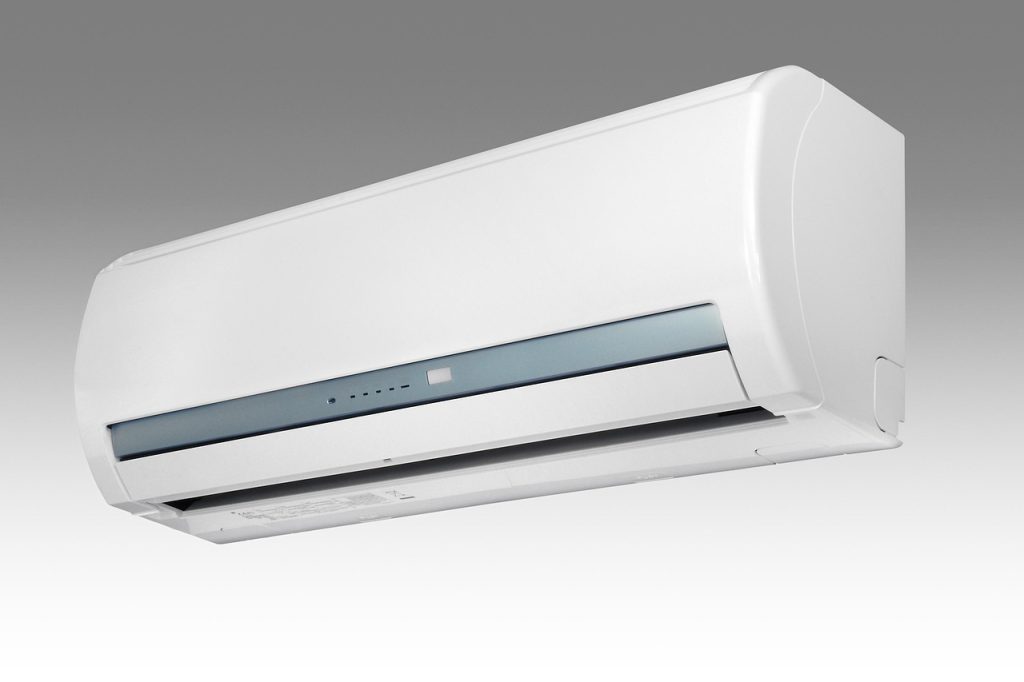
Cooling commercial buildings can be a high cost of doing business, especially in areas where businesses operate air conditioners most of the year. But simply cranking up the temperature to save on energy costs can make employees uncomfortable, customers unhappy, and some parts of the building unfit for daily use.
The good news is that much of the energy waste associated with cooling commercial buildings isn’t the result of user temperature preference. Factors such as poor scheduling, poor airflow, lack of maintenance, and excess heat gain can all lead to higher energy use.
The first step to controlling these costs is understanding how your cooling budget is being spent and taking steps to correct any problems that are forcing equipment to work harder than necessary.
Find Out Where Cooling Costs Come From
Before investing in new equipment or changing temperature settings, review how the building currently consumes energy.
Monthly electricity bills provide a useful overview, but more detailed consumption data can reveal problems that would otherwise go unnoticed.
Look for patterns such as:
- High overnight consumption: Air conditioning may be running unnecessarily when the building is empty.
- Rising costs despite similar weather: Equipment efficiency may be declining, or operating schedules may have changed.
- Unusually long cooling cycles: The system could be struggling with restricted airflow, dirty coils, or excessive heat gain.
- Sudden demand spikes: Several large pieces of equipment may be starting simultaneously.
Compare consumption across periods with similar outdoor temperatures, occupancy levels, and operating hours. This helps distinguish normal seasonal increases from potentially avoidable expenses.
Match Cooling Schedules to Building Occupancy
A restaurant, an office, and a retail store have very different cooling requirements. Even within the same building, occupancy can vary considerably throughout the day.
An office conference room might remain empty for hours, while a reception area needs consistent cooling from opening until closing.
Programmable thermostats and building automation systems allow businesses to adjust temperatures according to actual operating schedules. Cooling can be reduced during unoccupied periods and restored before employees or customers arrive.
In humid climates such as Florida, however, switching off air conditioning entirely overnight may create moisture problems. Temperature setbacks should account for humidity control, ventilation requirements, and the time needed to restore comfortable indoor conditions.
Stop Paying for Restricted Airflow
When cooled air cannot move freely through a building, some rooms become uncomfortable even though the equipment continues consuming electricity.
The usual response is to lower the thermostat. Unfortunately, this can overcool other areas without resolving the original problem.
Several airflow issues are relatively easy to identify:
- Furniture or merchandise blocking supply vents and return grilles.
- Dirty filters restricting the movement of air through the system.
- Leaking or poorly insulated ductwork in unconditioned spaces.
- Improperly adjusted dampers causing uneven air distribution.
If certain rooms consistently remain warmer than others, an airflow assessment may be more useful than adjusting the thermostat again. Proper air balancing helps distribute cooling according to the requirements of individual spaces.
Keep Equipment Operating Efficiently
Commercial air conditioning equipment gradually accumulates dirt, experiences mechanical wear, and loses efficiency when maintenance is postponed.
Dirty condenser coils make heat rejection more difficult. Worn belts can affect fan operation, while refrigerant leaks may reduce cooling capacity. These problems can develop slowly enough that occupants notice little difference until electricity bills increase or equipment breaks down.
Routine maintenance should cover several essential areas:
- Filter condition and replacement requirements.
- Evaporator and condenser coil cleanliness.
- Refrigerant levels and potential leaks.
- Fan motors, belts, and electrical connections.
- Thermostat accuracy and control system operation.
Building managers can handle basic visual checks, but refrigerant, electrical, and mechanical inspections require qualified technicians.
Professional commercial AC servicing can help identify hidden inefficiencies, prevent costly breakdowns, and maintain consistent indoor comfort. Learn more about commercial air conditioning services at ocalaairconditioningandrefrigeration.com/commercial-ac-service/.
Maintenance frequency should reflect equipment type, operating hours, environmental conditions, and manufacturer recommendations rather than following an arbitrary annual schedule.
Reduce the Heat Entering Your Building
Every additional source of indoor heat increases the amount of work an air conditioning system must perform.
Large west-facing windows, frequently opened entrance doors, inefficient lighting, and heat-producing equipment can contribute significantly to cooling demand.
Fortunately, several improvements require little or no modification to the HVAC system itself. Solar-control window films and adjustable blinds can reduce heat gain through glazing. Replacing older lighting with LEDs can lower both electricity consumption and indoor heat production.
Door seals and weatherstripping deserve attention, particularly in buildings where conditioned air escapes through gaps around entrances.
Commercial kitchens and other heat-intensive workspaces may also benefit from reviewing exhaust ventilation and makeup air systems. Any adjustments must preserve required ventilation and safe operating conditions.
Invest in Upgrades Where They Make Financial Sense
Replacing an entire commercial AC system is a substantial expense. Smaller upgrades may offer a more attractive return, depending on the condition and configuration of existing equipment.
Consider improvements that address measurable inefficiencies:
- Smart HVAC controls: Adjust operating schedules and temperature settings according to building requirements.
- Variable-speed drives: Allow compatible fans and motors to operate at speeds appropriate to demand.
- Improved zoning: Provide separate temperature control for areas with different cooling requirements.
- High-efficiency replacement equipment: Reduce energy consumption when aging units reach the end of their useful life.
Evaluate each investment using projected energy savings, installation expenses, maintenance requirements, and expected equipment lifespan. Local utility incentives may also influence the financial calculation.
Measure Savings Without Overlooking Comfort
Lower electricity bills alone do not prove that a cooling strategy is successful. Indoor humidity, temperature consistency, employee feedback, and equipment reliability should also be monitored.
Introduce changes gradually so their effects can be measured individually. If adjusting an operating schedule reduces consumption without creating uncomfortable conditions, the same approach may work elsewhere in the building.
Over time, better scheduling, regular maintenance, improved airflow, and targeted equipment upgrades can make commercial cooling considerably more economical. The most sustainable savings come from eliminating unnecessary energy consumption while preserving the indoor conditions people need.
