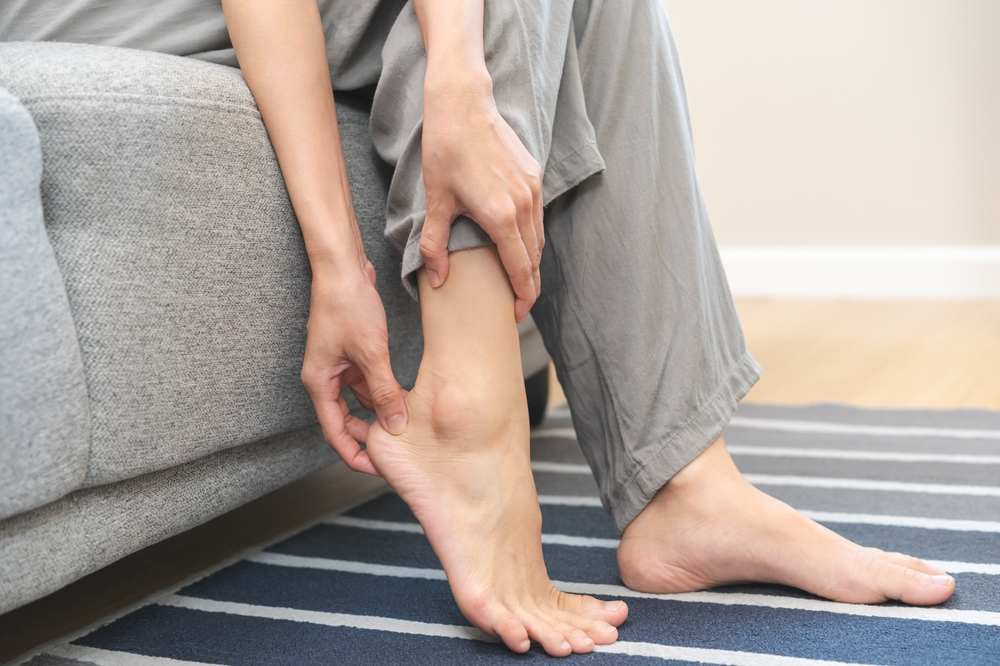
Healthy feet support almost everything people do throughout the day. Walking to work, standing in the kitchen, exercising, shopping, and completing household tasks all place pressure on the feet. When that pressure becomes excessive or is repeated without enough recovery, the heel may start to ache.
Heel pain can develop gradually, which means people sometimes overlook the small habits contributing to their discomfort. The good news is that everyday choices involving footwear, exercise, rest, and foot care can help reduce unnecessary strain and support better foot health.
Understand What Places Stress on Your Heels
The heel absorbs impact whenever the foot touches the ground. Several structures work together to support this movement, including the heel bone, surrounding fat pad, plantar fascia, and Achilles tendon.
Repeated stress can irritate these tissues. For example, someone who suddenly increases their walking distance may overload the foot before it has adapted to the new activity. Similarly, standing for long hours on a hard surface in shoes with limited cushioning may contribute to discomfort.
Plantar fasciitis and Achilles tendon problems are two possible causes, but heel pain can also result from other conditions or injuries. Good habits may reduce avoidable strain, although they cannot prevent every foot problem.
If symptoms persist, Heel pain treatment may help address the underlying cause. The appropriate approach depends on the diagnosis and may include conservative measures such as stretching, strengthening, footwear changes, or other recommended interventions.
Seek prompt medical attention if you experience sudden severe pain, significant swelling after an injury, or difficulty bearing weight.
Choose Shoes That Support Your Feet
Footwear is one of the easiest areas to review when heel discomfort develops.
Look for shoes that fit comfortably, provide adequate cushioning, and offer suitable support for your activity. The heel should feel secure without rubbing, and the shoe should have enough room for your toes. Walking shoes, work shoes, and sports footwear may need different features depending on how they are used.
Worn-out shoes deserve attention too. Even when the outer material looks acceptable, the cushioning and support may have deteriorated through regular use.
If your heels are sensitive, avoid spending long periods in footwear that consistently makes the pain worse. Supportive indoor shoes may also be helpful when hard flooring aggravates your symptoms.
Increase Physical Activity Gradually
Exercise supports general health, but sudden changes in activity can put excessive pressure on the feet. Increasing running distance, adding frequent hill walks, or returning to intense workouts after a long break may strain the heel and surrounding tissues.
A gradual approach gives the body more time to adapt. Increase the duration or intensity of exercise in manageable steps rather than changing several things at once.
Warming up before physical activity and including suitable recovery periods can also help. If you develop heel pain during a workout, do not keep pushing through sharp or worsening discomfort. Reduce the activity and assess whether the symptoms settle.
People who already have heel pain may need to modify their exercise routine temporarily. A healthcare professional can suggest suitable alternatives based on the cause and severity of the problem.
Make Stretching Part of Your Routine
Tight calf muscles can contribute to increased tension around the heel. Gentle calf and foot stretches may help some people maintain flexibility, particularly when stiffness is noticeable after rest.
Stretching should be performed slowly, without bouncing or forcing the foot into an uncomfortable position. If the movement causes sharp pain, stop and seek advice about a safer alternative.
Strengthening exercises may also be useful for certain foot conditions. However, not every exercise is appropriate for every cause of heel pain. A routine that helps one person may aggravate another person’s symptoms, so persistent discomfort should be assessed rather than treated through random online exercises.
Avoid Prolonged Pressure on Your Feet
Some jobs require people to stand or walk for much of the day. Retail workers, teachers, healthcare staff, hospitality employees, and warehouse workers may have limited opportunities to sit down.
When possible, take short breaks, change positions, and alternate standing with sitting. If your workplace allows it, a suitable anti-fatigue mat may improve comfort while standing in one place. Supportive shoes are particularly important when working on concrete or other hard surfaces.
At home, avoid completing every task in one long session if your heels are already uncomfortable. Dividing chores into shorter periods may reduce continuous pressure on the feet.
Pay Attention to Body Weight and Overall Health
The feet support body weight with every step, so changes in weight can affect the amount of force placed on the heels. Maintaining a healthy weight, where appropriate for your individual circumstances, may help reduce mechanical stress.
This should be approached as part of overall wellbeing rather than as a reason to blame yourself for pain. Foot structure, previous injuries, footwear, activity levels, and medical conditions can all influence heel health.
If you have diabetes, circulation problems, or reduced sensation in your feet, routine foot care and early assessment of new symptoms are especially important.
Respond to Early Symptoms
Mild soreness after an unusually active day may settle with rest and a temporary reduction in aggravating activities. A cold pack wrapped in a towel can provide short-term relief when used appropriately.
However, recurring pain, discomfort that changes your walking pattern, or symptoms that continue despite self-care should not be ignored. The location and timing of pain can help distinguish between possible causes, but they do not provide a reliable diagnosis on their own.
A qualified Podiatrist in Singapore can assess your foot health and identify factors that may be contributing to your discomfort. Professional advice can also help you choose appropriate footwear, exercises, and activity adjustments.
Build Sustainable Foot Care Habits
Healthy feet usually benefit more from consistent habits than from occasional efforts. Check your footwear regularly, introduce exercise changes gradually, and pay attention to how your heels respond to different activities.
You can also keep a simple record of when pain occurs, which shoes you were wearing, and what activities preceded it. This information may help a healthcare professional identify patterns and recommend suitable changes.
Conclusion
Preventing and reducing heel pain often starts with everyday decisions. Supportive footwear, gradual exercise progression, gentle stretching, regular breaks, and early attention to symptoms can all contribute to better foot comfort.
You may also like: Personal Loan App Features That Can Make Loan Management Easier
These measures are useful, but persistent heel pain may indicate a condition that needs professional assessment. By combining sensible daily habits with appropriate care when necessary, you can take practical steps toward keeping your feet comfortable and active.
