Construction projects are often recognised for their impressive final results, whether they involve commercial buildings, residential developments, industrial facilities, or public infrastructure. However, long before structural work begins, one of the most important phases of any project takes place: site preparation.
Proper site preparation establishes the foundation for efficient construction, helping contractors minimise delays, improve coordination, and create suitable conditions for every stage of development. Without careful planning during the early stages, even well-designed projects can encounter unnecessary challenges that affect schedules, budgets, and overall project performance.
In Singapore, where land is carefully planned and development projects are often carried out within densely populated areas, effective site preparation has become an essential component of modern construction management.
Understanding Site Preparation
Site preparation refers to the series of activities completed before major construction work begins. The objective is to transform an undeveloped or existing site into an area that is ready for building operations.
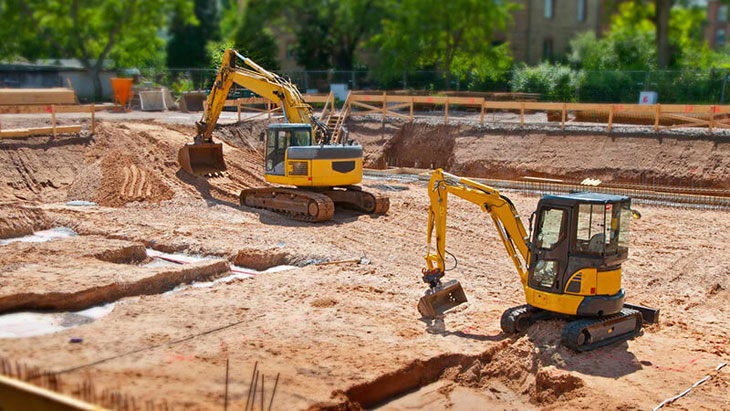
The exact process varies depending on the project, but it commonly includes land clearing, demolition of existing structures, surveying, excavation, grading, drainage improvements, utility relocation, temporary access roads, fencing, and the installation of site offices and storage areas.
Each activity contributes to creating a work environment where contractors can perform efficiently while coordinating multiple trades throughout the project lifecycle.
Careful Planning Before Construction Begins
Every successful project starts with detailed planning. Engineers, architects, surveyors, contractors, and project managers work together to understand site conditions before physical work begins.
Topographical surveys provide valuable information about elevations and land features. Soil investigations help determine ground conditions and foundation requirements. Existing underground utilities must also be identified to avoid unexpected disruptions during excavation.
Construction schedules are often developed months before work begins, allowing contractors to sequence activities efficiently while coordinating equipment deliveries, labour resources, and subcontractor involvement.
This planning stage reduces uncertainty and provides greater confidence as construction progresses.
Clearing and Preparing the Site
Many construction sites require some degree of clearing before building activities can commence.
Existing vegetation, debris, abandoned structures, old foundations, and unused utilities may need to be removed depending on previous land use. In redevelopment projects, demolition work often forms a significant part of the preparation phase.
Singapore continues to experience urban renewal across commercial and industrial districts, making redevelopment projects increasingly common. Careful demolition planning allows valuable materials to be recycled while preparing sites for future developments.
Once the site has been cleared, contractors can begin establishing temporary facilities that support day-to-day construction activities.
Managing Ground Conditions
Ground conditions have a direct influence on construction quality. Uneven surfaces, unstable soil, poor drainage, and hidden underground obstacles can all affect project progress if not properly addressed.
Excavation and grading activities help create suitable ground levels for foundations, roads, drainage systems, and building platforms. Engineers carefully evaluate soil characteristics to determine whether ground improvement methods are required before structural work begins.
Proper drainage planning is equally important. Temporary drainage systems help control rainwater accumulation during construction while reducing the likelihood of work interruptions caused by standing water.
In tropical climates such as Singapore, effective water management is particularly valuable during periods of heavy rainfall.
Coordinating Equipment and Materials
Large construction projects depend on efficient coordination between equipment, suppliers, and contractors.
Excavators, cranes, dump trucks, compactors, concrete pumps, and lifting equipment often arrive on-site according to carefully planned schedules. At the same time, building materials including steel, concrete, pipes, cables, reinforcement bars, and prefabricated components must be delivered without disrupting ongoing operations.
Temporary storage areas are usually established to organise materials while maintaining clear access routes throughout the project.
Well-planned logistics reduce unnecessary delays and improve productivity by ensuring workers have access to the equipment and materials they need at the appropriate time.
Temporary Facilities That Support Construction
Before permanent structures begin taking shape, construction sites require a variety of temporary facilities.
These may include project offices, meeting rooms, worker welfare facilities, storage containers, security checkpoints, equipment maintenance areas, temporary electrical supplies, water connections, and internal access roads.
Although these installations are temporary, they contribute significantly to daily project operations.
Well-organised site layouts improve communication between project teams while helping deliveries, inspections, and construction activities proceed efficiently throughout the project.
As projects become larger and more technically complex, careful planning of temporary infrastructure becomes increasingly important.
Technology Is Improving Site Preparation
Digital technology has transformed many aspects of construction planning.
Building Information Modelling (BIM) allows project teams to visualise construction sequences before work begins. Drone surveys provide highly accurate site mapping while reducing the time required for traditional surveying methods.
GPS-guided equipment improves grading accuracy, while digital project management platforms allow contractors to monitor progress, share documentation, and coordinate activities in real time.
Many construction companies in Singapore continue investing in digital technologies that improve planning accuracy and enhance collaboration between project stakeholders.
As technology becomes more accessible, even medium-sized projects are benefiting from more efficient preparation processes.
Supporting Productivity on Construction Sites
Construction projects involve workers moving across different parts of a site throughout the day while transporting equipment, inspecting completed work, coordinating deliveries, and assisting multiple trades.
Uneven ground, temporary pathways, changing site conditions, and outdoor environments require practical workwear that supports mobility during long working hours. Many construction professionals choose protective footwear with ankle support to improve stability and comfort while moving between work areas during daily operations.
Combined with efficient site layouts, organised logistics, and well-planned workflows, appropriate equipment and work practices help maintain productivity from the earliest stages of construction.
Preparing for Long-Term Project Success
The importance of site preparation extends well beyond the first few weeks of construction. Decisions made during this phase influence project efficiency throughout the entire development process.
Accurate surveys reduce rework, organised logistics improve material movement, effective drainage minimises weather-related disruptions, and thoughtful planning supports better coordination between contractors.
When preparation is completed carefully, subsequent phases of construction can progress more smoothly, allowing teams to focus on delivering high-quality results within planned schedules.
Building on a Strong Foundation
As Singapore continues investing in infrastructure, commercial developments, industrial facilities, and urban redevelopment, site preparation will remain one of the most important stages of every construction project.
Advances in digital planning, surveying technologies, equipment management, and project coordination are helping contractors improve efficiency while adapting to increasingly complex construction requirements.
Although site preparation often receives less attention than the visible stages of construction, it plays a critical role in determining how successfully a project progresses. By investing time in careful planning, organised logistics, and effective coordination from the beginning, construction teams establish a strong foundation that supports every phase of development.
From small commercial buildings to major infrastructure projects, successful construction begins long before concrete is poured or steel is erected. It begins with thorough site preparation that enables people, equipment, and materials to work together efficiently toward a common goal.
