Let’s be honest. Most of us grew up eating regular wheat rotis, and the idea of switching to something like jowar atta can feel a little intimidating. Will it taste weird? Will the rotis fall apart? Is it actually healthier, or is it just a health fad?
The short answer: jowar atta is the real deal. It’s not a trend — it’s one of India’s oldest grains, eaten across Maharashtra, Karnataka, and Rajasthan for thousands of years. People are just rediscovering it now because modern diets have pushed it aside.
This article explains everything about jowar atta in plain, simple language — what it is, why it’s good for you, how to use it, and where to get a freshly milled version that actually tastes like something.
What Exactly Is Jowar Atta?
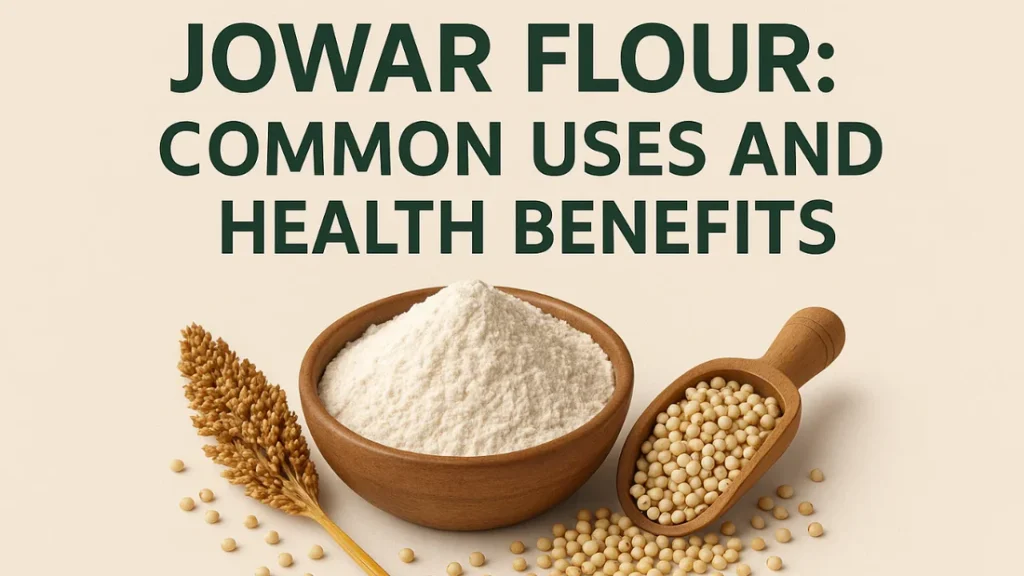
Jowar is the Hindi name for sorghum — a grain that has been grown in India for over 5,000 years. Jowar atta is simply flour made by grinding dried jowar (sorghum) grains. That’s it. No wheat, no gluten, no fancy processing.
In different parts of India it goes by different names — jowar in the North, jola in Kannada, jondhalache peeth in Marathi — but it’s the same grain everywhere. You’ve probably eaten jowar bhakri or jowar roti at some point without even thinking about it.
What makes it special today is that it happens to tick almost every box that modern health-conscious eaters care about: it’s naturally gluten-free, high in fibre, rich in minerals, and has a low glycaemic index.
What’s Actually Inside Jowar Atta? (Per 100g)
~329
Calories (kcal)
11g
Protein
7–10g
Dietary Fibre
~72g
Carbohydrates
~50–55
Glycaemic Index
0
Gluten
To put the glycaemic index in perspective: regular whole wheat atta sits around 69, and refined maida is 80+. Jowar’s GI of ~50–55 means your blood sugar rises much more slowly after eating jowar rotis compared to regular wheat rotis. That’s a big deal if you’re watching your sugar levels.
7 Real Benefits of Jowar Atta — In Plain Language
Completely Gluten-Free
Jowar contains zero gluten, making it a safe everyday option for people with gluten sensitivity or those who simply feel bloated after eating wheat.
Good for Blood Sugar
Its low GI (~50–55) and high fibre slow down how quickly sugar enters your blood. Great for diabetics and anyone trying to avoid afternoon energy crashes.
Easy on Your Stomach
The high fibre content keeps your digestive system regular and acts as a natural prebiotic, feeding the good bacteria in your gut.
Heart-Friendly
Jowar contains antioxidants, potassium, and magnesium that help keep cholesterol levels in check and support a steady heart rhythm.
Decent Protein Source
With about 11g of protein per 100g, jowar atta is comparable to regular wheat flour. Good for everyday protein needs without reaching for supplements.
Supports Bones
Jowar has phosphorus and calcium that contribute to stronger bones — useful for kids, women, and older adults who need to watch their bone density.
Good for Skin
The antioxidants and B-vitamins in jowar help slow skin ageing, and its low GI means fewer insulin spikes — one of the key triggers for adult acne.
Eco-Friendly Grain
Jowar grows in dry conditions with very little water. Choosing it is not just good for you — it’s also a more sustainable food choice for the planet.
“Jowar isn’t a health trend. It’s ancient wisdom making a comeback — and with good reason.”
How to Use Jowar Atta at Home
One thing people worry about is that jowar rotis are hard to make — and it’s true that jowar dough behaves a little differently from wheat. But once you get the hang of it, it’s simple.
Simple Tips for Soft Jowar Rotis
Use slightly warm water when kneading the dough — this makes jowar easier to work with. Keep the dough a little softer than regular atta dough. Roll gently and evenly, and don’t press too hard. Cook on a medium flame for best results. If you’re new to it, try mixing jowar with wheat atta in a 1:1 ratio first to ease into the taste and texture.
Basic Jowar Roti — Step by Step
- Take 1 cup of jowar atta in a bowl.
- Slowly add warm water, a little at a time, and knead into a soft, smooth dough. (Don’t add all the water at once.)
- Divide into small balls, roughly the size of a lemon.
- Dust your rolling surface with a little jowar atta and roll out each ball gently into a round shape.
- Cook on a hot tawa (griddle) for about 1–2 minutes each side until small brown spots appear.
- Apply ghee and serve hot with dal, sabzi, or chutney.
Other uses: Jowar atta also works beautifully for bhakri, cheela, dosa batter, upma, and even healthy baked snacks.
Who Should Especially Try Jowar Atta?
While jowar is a great flour for almost anyone, some people in particular will benefit the most:
People with diabetes or pre-diabetes — The low GI and high fibre make it one of the best rotis for managing blood sugar. It digests slowly and avoids the sharp sugar spikes that regular wheat can cause.
People with gluten sensitivity or wheat intolerance — Jowar is 100% naturally gluten-free. If you’ve been told to reduce or eliminate gluten, jowar is one of the most practical everyday swaps.
Those with gut or digestive issues — Its prebiotic fibre feeds good gut bacteria and helps with constipation and bloating. Many people report their digestion feels noticeably lighter after switching to jowar rotis.
Anyone wanting to lose weight — High fibre means you feel full longer. Jowar rotis satisfy hunger without a heavy, sluggish feeling afterwards.
Kids and growing adults — The calcium, phosphorus, iron, and zinc in jowar make it genuinely nutritious for children. It’s safe, wholesome, and far better than refined flour snacks.
Why Freshly Milled Jowar Atta Matters
Here’s something most people don’t think about: flour goes stale. When jowar grains are ground, their natural oils start oxidising. If that flour sits in a warehouse or on a supermarket shelf for weeks or months, a lot of that nutrition quietly degrades — and some brands add chemicals to mask the staleness.
This is why the milling method and timing actually matter for jowar atta more than for regular wheat, because gluten-free flours are more sensitive to going rancid.
- Fresh flour tastes better — the natural earthy, slightly nutty aroma of jowar is at its peak right after milling.
- Fresh flour is more nutritious — vitamins and natural oils haven’t had time to break down.
- No need for preservatives — when flour is made fresh per order, there’s nothing to preserve.
Featured Product
Jowar Atta by 10on10Foods
Stone-milled fresh after every order using traditional chakki methods. No chemicals, no preservatives, no shelf-life tricks — just pure jowar flour that smells and tastes exactly as it should. Contains 11g protein and 7g fibre per 100g. Suitable for daily rotis, bhakri, cheela, and more.
Common Questions About Jowar Atta
Can I use jowar atta every day?
Yes. It’s light, easy to digest, and nutritionally well-rounded. Many families in Maharashtra and Karnataka have been eating jowar rotis daily for generations. There’s no reason to limit it.
Is jowar atta suitable for kids?
Absolutely. It’s rich in iron, calcium, and protein — all things growing children need. It’s also naturally gluten-free, so it’s safe for children with wheat sensitivities.
Can I eat jowar during pregnancy?
Yes, in moderation. Jowar is a common part of traditional Indian pregnancy diets thanks to its iron, folate, and fibre content. As always, check with your doctor for guidance specific to you.
Will jowar rotis taste very different from wheat rotis?
They have a slightly earthy, nutty flavour that most people find pleasant. The texture is a little denser, but once you’re used to it, many people actually prefer it. Starting with a jowar-wheat blend makes the transition easier.
Where can I buy good quality jowar atta online?
Look for brands that mill fresh and avoid preservatives. 10on10Foods mills jowar atta only after your order is placed, using traditional stone-grinding methods. You can even scan the QR code on the pack to watch your flour being milled.
