Manufacturers today face mounting pressure to produce complex, multi-functional plastic parts without sacrificing quality or driving up costs. Traditional molding methods often fall short when a component requires multiple materials, colors, or textures—forcing companies into costly secondary assembly steps that slow production and introduce potential failure points. 2K injection molding offers a powerful answer to these challenges. This advanced manufacturing technique injects two different materials into a single mold during one production cycle, creating fully integrated, multi-material parts straight off the line. For companies seeking reliable custom manufacturing with the capacity for large-scale production, 2K molding represents a significant leap forward. The technology has become especially vital in demanding sectors like medical solutions, where precision, biocompatibility, and consistent quality are non-negotiable. From eliminating assembly bottlenecks to unlocking entirely new design possibilities, 2K injection molding delivers advantages that ripple across the entire production chain. In the sections ahead, we’ll explore exactly how this process works, where it excels, and why it may be the ideal solution for your next project.
What is 2K Injection Molding? A Foundation for Advanced Plastic Injection Molding
2K injection molding—also known as two-shot or dual-shot molding—is a specialized form of plastic injection molding that combines two distinct materials into a single finished part within one automated cycle. Unlike traditional single-shot methods, which produce parts from one material and often require secondary bonding or assembly to add a second component, 2K molding handles everything inside the mold itself. The process works by injecting the first material to form a substrate, then rotating or repositioning that substrate within the mold so a second material can be injected directly onto or around it. This sequential injection creates a chemical or mechanical bond between the two materials, resulting in a unified component with no adhesives or fasteners needed.
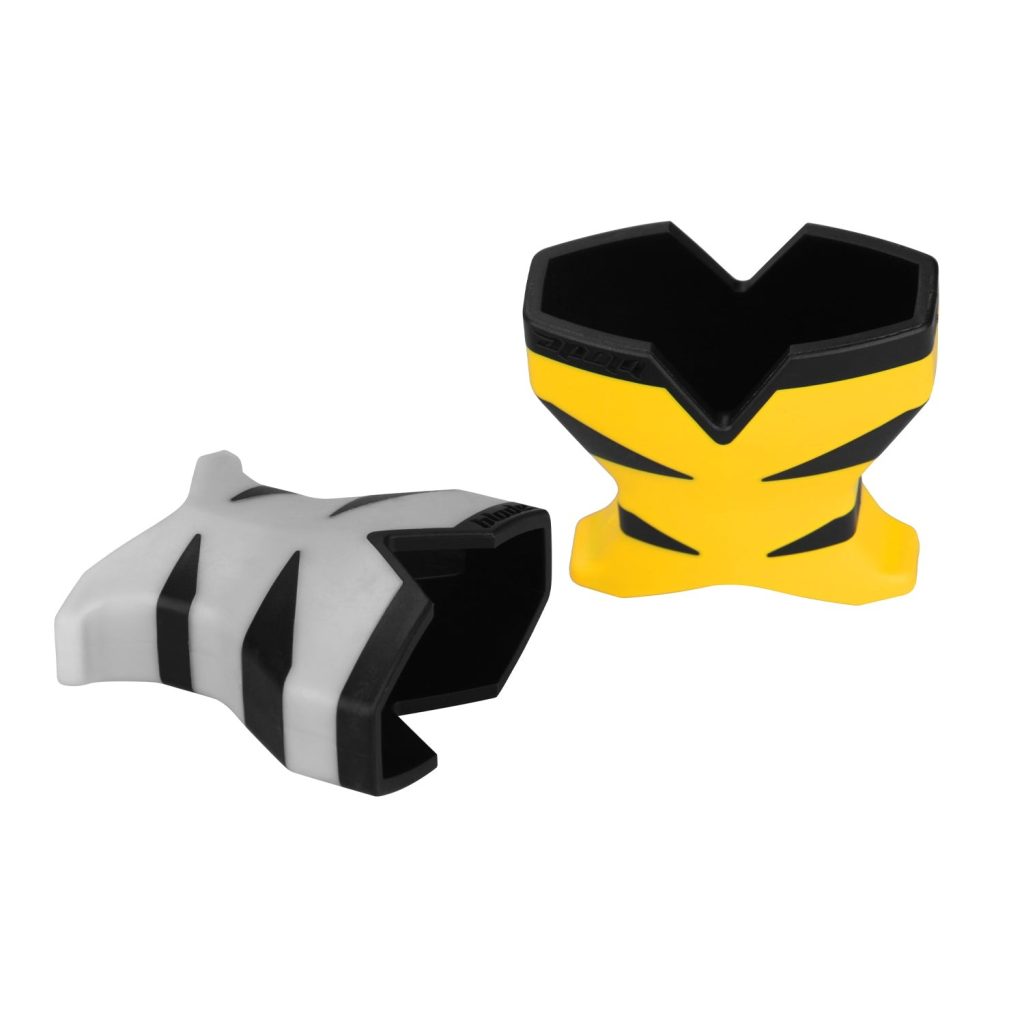
The technology relies on specialized machinery equipped with two injection units and purpose-built molds engineered to accommodate both materials and their distinct processing requirements. These molds must account for differences in shrinkage rates, melting temperatures, and material compatibility to ensure a reliable bond. This level of engineering is what makes 2K molding so effective for complex part designs—components that integrate rigid and flexible zones, multiple colors, or sealed interfaces can be produced in a single, repeatable operation. It’s a foundational capability that opens the door to parts traditional plastic injection molding simply cannot achieve on its own.
Key Benefits of 2K Injection Molding for Custom Manufacturing
The real value of 2K injection molding becomes clear when you examine how it addresses the persistent pain points in custom manufacturing. Producing multi-material parts through conventional methods typically means molding components separately, then joining them through gluing, welding, or mechanical fastening. Each of those secondary steps introduces labor costs, quality risks, and cycle time delays. With 2K molding, the finished part emerges from the mold ready to use—no assembly line handoffs, no adhesive curing, and no risk of bond failure in the field. This single-cycle integration fundamentally changes the economics and reliability of complex part production.
Beyond eliminating assembly, the process gives engineers far greater design freedom. Because two materials bond at the molecular or mechanical level during molding, designers can place rigid structural sections exactly where strength is needed and pair them with flexible zones for sealing, grip, or vibration dampening—all within one seamless geometry. Features that would be impossible to assemble conventionally, such as fully encapsulated seals or overmolded internal channels, become straightforward to produce. This design latitude translates directly into better-performing products that stand out in competitive markets.
Improved Aesthetic and Functional Properties
2K injection molding enables manufacturers to combine contrasting colors, textures, and material properties in a single part without paint, pad printing, or post-mold decoration. A power tool housing, for instance, can feature a hard polycarbonate shell with integrated soft-touch thermoplastic elastomer grip zones—produced in one shot with no visible parting lines or surface inconsistencies. Sealed multi-material interfaces resist moisture and dust ingress, which is critical for electronics enclosures and outdoor equipment. These capabilities mean custom plastic parts not only look more refined but also deliver measurably better performance in end-use conditions, meeting the high standards that brand owners and end users expect.
Efficiency and Scalability in Production
Because 2K molding consolidates what would otherwise be multiple manufacturing and assembly operations into a single automated cycle, it dramatically reduces per-part labor content and overall cycle time. Operators load raw materials and the machine handles the rest—injecting, rotating, injecting again, cooling, and ejecting a finished component. This automation supports consistent output around the clock, making the process inherently suited to large-scale production runs where uniformity across thousands or millions of parts is essential. Material waste also drops compared to multi-step processes, since runners and sprues are minimized and scrap from failed assemblies is virtually eliminated. The result is higher throughput at lower cost per unit, giving manufacturers the scalability they need to meet aggressive volume targets without compromising quality.
Applications of 2K Molding in Medical Solutions and Beyond
The versatility of 2K injection molding shines brightest when you look at the range of industries putting it to work. In automotive manufacturing, dashboard assemblies combine rigid structural substrates with soft-touch surfaces and integrated light guides—all produced in a single molding cycle that replaces what once required separate parts and manual assembly. Consumer electronics brands rely on 2K molding to create sealed smartphone casings, multi-textured remote controls, and wearable device housings where water resistance and tactile comfort must coexist. Even everyday products like toothbrushes and kitchen utensils benefit from the process, pairing stiff handles with non-slip grip zones that stay bonded through years of use. Industrial applications include vibration-dampened connectors, multi-durometer seals for hydraulic systems, and color-coded safety components where visual distinction is built into the part rather than applied afterward. Across all these sectors, the common thread is the same: 2K molding delivers parts that perform multiple functions without the fragility and cost of assembled alternatives.
Medical Solutions: Ensuring Safety and Performance
Medical solutions represent one of the most demanding and rewarding applications for 2K injection molding. Surgical instruments frequently require a rigid core for structural precision paired with a soft, ergonomic overmold that reduces hand fatigue during lengthy procedures—a combination that 2K molding produces with exacting repeatability. Diagnostic device housings benefit from sealed two-material interfaces that prevent fluid ingress and simplify sterilization, directly supporting patient safety. Drug delivery devices such as auto-injectors and insulin pens use 2K-molded components to integrate viewing windows, tactile feedback zones, and tamper-evident features into compact designs that must function flawlessly every time. Because the process eliminates adhesives and secondary bonding agents, it reduces the risk of introducing contaminants that could compromise biocompatibility. Manufacturers serving the medical sector also gain from the traceability and process consistency inherent to automated 2K cycles, making it far easier to meet stringent regulatory requirements from bodies like the FDA. For companies focused on medical solutions, 2K molding isn’t just convenient—it’s a strategic necessity for delivering safe, high-performance components at scale.
Mold Manufacturing for 2K Injection Molding: Precision Engineering
Behind every successful 2K injection molded part sits a meticulously engineered mold—and the quality of that mold determines everything from dimensional accuracy to cycle time to long-term production reliability. Mold manufacturing for 2K applications demands a higher level of precision than standard single-shot tooling because the mold must manage two separate material flows, each with its own injection point, temperature profile, and shrinkage behavior. Cavities must align with micron-level accuracy across both shots to prevent flash, short shots, or delamination at material interfaces. Cooling channel layouts require careful balancing so that the first-shot substrate solidifies enough to maintain its shape during repositioning without overcooling and weakening the bond surface for the second material. Gate locations, runner geometries, and venting strategies all become more complex when two chemically distinct polymers share the same tool. This is why partnering with an experienced mold manufacturer such as WEILAN MFG is not optional—it’s foundational. A skilled tooling partner brings deep knowledge of material compatibility, thermal management, and mold action mechanics, translating part designs into production-ready tools that perform consistently over hundreds of thousands of cycles. Cutting corners on mold manufacturing inevitably leads to quality failures, unplanned downtime, and costly rework downstream.
Types of Molds and Their Functions
Several mold configurations serve 2K injection molding, each suited to different part geometries and production requirements. Rotary platen molds are the most common: the first material is injected into one set of cavities, then the mold’s rotating platen spins the substrate 180 degrees into a second set of cavities where the second shot is applied. This design supports high-volume, continuous production because one shot is always being injected while the other cools. Core-back molds take a different approach—retractable cores within the mold create space for the second material without any part movement, making them ideal for simpler geometries where rotation isn’t practical. Index plate molds use a mechanical plate to transfer substrates between stations, offering flexibility when the part requires repositioning along a different axis than a rotary system allows. Shuttle or slide molds physically move the first-shot cavity to a second injection position, which works well for larger parts or asymmetric designs. Each type carries trade-offs in tooling cost, cycle time, and design complexity, so selecting the right mold architecture early in development is critical to achieving both part quality and production efficiency targets.
How 2K Injection Molding Solves Manufacturer Needs: A Practical Guide
For manufacturers evaluating whether 2K injection molding fits their production requirements, the path from concept to full-scale output follows a structured sequence—and understanding that sequence helps companies make informed decisions early, avoid costly missteps, and accelerate time to market. The technology isn’t a plug-and-play upgrade to existing single-shot operations; it requires deliberate planning around material science, tooling investment, and process validation. However, when approached methodically, 2K molding consistently delivers results that outperform conventional alternatives in both part quality and total cost of ownership. The sections below break down the practical steps involved and explain how the technology scales to meet demanding volume requirements.
Step-by-Step Solution for Achieving High-Quality Custom Plastic Parts
The journey begins with collaborative design review, where engineers assess the part’s functional requirements and identify which zones need specific material properties—rigidity, flexibility, chemical resistance, or surface texture. This analysis directly informs material selection, a critical decision since not all polymer pairs bond reliably. Compatibility testing between candidate materials should happen before any tooling commitment, using small-scale trials to verify adhesion strength and interface integrity. Once materials are confirmed, mold design proceeds in parallel with detailed simulation work. Mold flow analysis predicts fill patterns, weld line locations, and potential air traps for both shots, allowing engineers to optimize gate placement and cooling layouts before cutting steel. Prototyping through soft tooling or 3D-printed mold inserts lets teams validate part geometry and material behavior at low cost, catching design issues that simulations might miss. After prototype approval, production tooling is manufactured to final specifications and undergoes rigorous qualification runs. During these trials, dimensional measurements, bond strength tests, and visual inspections confirm that every critical characteristic meets specification. Only after this validation does full production begin, with statistical process controls monitoring each cycle to maintain consistency across the entire run.
Enabling Large-Scale Production Capabilities with 2K Technology
Scaling from validated prototypes to high-volume output is where 2K injection molding truly distinguishes itself from assembled alternatives. The automated nature of the process—where material injection, substrate rotation, second-shot molding, cooling, and ejection all happen within a single machine cycle—means production rates remain stable whether you’re running a thousand parts or a million. Cycle times typically range from seconds to under a minute depending on part complexity, and multi-cavity molds multiply output per cycle without adding labor. This automation eliminates the workforce variability that plagues manual assembly operations, ensuring that the millionth part matches the first in dimensional accuracy and bond quality. Manufacturers also benefit from streamlined quality assurance, since fewer process steps mean fewer inspection points and fewer opportunities for defects to escape detection. Material consumption stays tightly controlled through optimized runner systems and consistent shot weights, reducing raw material costs at scale. For companies facing aggressive delivery schedules or seasonal demand spikes, 2K molding lines can run extended shifts with minimal operator intervention, providing the production elasticity that large-scale custom manufacturing demands. The cumulative effect is a lower total cost per part combined with higher reliability—exactly the equation manufacturers need to compete effectively while maintaining the quality standards their customers require.
Why 2K Injection Molding Is a Strategic Advantage for Modern Manufacturers
2K injection molding stands as one of the most impactful advances in modern plastic injection molding, offering manufacturers a proven path to producing complex, multi-material parts that outperform conventionally assembled alternatives. The technology consolidates what once required multiple production stages into a single automated cycle, delivering measurable gains in part quality, design flexibility, and cost efficiency. By bonding two distinct materials at the mold level, it eliminates adhesives, fasteners, and the quality risks that come with secondary assembly—producing components that are stronger, more reliable, and ready for immediate use. Its value extends across industries, from automotive dashboards and consumer electronics housings to the exacting demands of medical solutions, where biocompatibility, sterility, and regulatory compliance leave no room for compromise. For manufacturers pursuing large-scale production of custom plastic parts, the combination of automated consistency, reduced waste, and scalable throughput makes 2K molding exceptionally competitive on total cost of ownership. Success depends on disciplined material selection, precision mold manufacturing, and partnership with experienced specialists who understand the nuances of dual-material processing. As product complexity continues to increase and market expectations for integrated functionality rise, 2K injection molding will only grow in strategic importance—positioning the manufacturers who adopt it today at a distinct advantage for the challenges ahead.
