You sit down to study, ready to focus, but within minutes you’re rifling through sticky notes, scrolling through your phone for deadlines, and mentally cataloging everything you’ve forgotten to write down. Sound familiar? Disorganization is one of the most underestimated enemies of academic performance, quietly draining the mental energy students need for actual learning.
This is where home planners step in — and more specifically, where a sleek calendar stand becomes a surprisingly powerful ally. Rather than shuffling papers or toggling between apps, a well-positioned calendar stand gives you a single, stable visual anchor for your schedule. But can a desk accessory really sharpen your focus? The answer lies in how the right tool eliminates friction from your environment.
A sleek calendar stand offers more than aesthetics. Features like built-in weight for stability and a tool-free, easy setup make it genuinely practical for busy students. In the sections ahead, we’ll explore why home planners matter for productivity, what sets a quality calendar stand apart, how to solve common setup and stability challenges, and how to weave this accessory into a focused daily study routine.
Why Home Planners Are Essential for Student Productivity
Research consistently shows that the physical environment where students study has a direct impact on how well they retain information and sustain concentration. A cluttered desk isn’t just visually noisy — it competes for cognitive attention, forcing the brain to process irrelevant stimuli when it should be focused on the task at hand. Home planners address this problem at its root by creating a structured visual system that tells your brain exactly what needs to happen and when.
Among planning tools, physical home planners hold a distinct advantage over digital-only solutions. They don’t send notifications, don’t require unlocking a device, and don’t tempt you toward social media. Seeing your week laid out in front of you — deadlines, study blocks, and commitments — creates a mental map that reduces the anxious background hum of “what am I forgetting?” That cognitive relief is real, and it frees up working memory for actual learning.
This is precisely where a sleek calendar stand enters the picture as a modern desk accessory worth taking seriously. Rather than leaving a planner flat on a crowded desk where it competes with textbooks and coffee mugs, a calendar stand elevates it — literally and functionally — into a dedicated, always-visible reference point. It transforms a passive planning tool into an active part of your study environment. The stand’s design signals intention: this space is organized, this session has a plan, and distractions have less room to take hold. For students building productive study habits at home, pairing a quality home planner with the right stand isn’t a luxury — it’s a practical foundation for consistent academic performance.
Understanding Sleek Calendar Stands: Features and Benefits
A sleek calendar stand is a structured desk accessory designed to hold physical planners, monthly calendars, or tablets upright at an easily readable angle. What began as simple wire or plastic holders has evolved into a category of thoughtfully designed tools that balance form and function — making them genuinely useful rather than merely decorative additions to a study space.
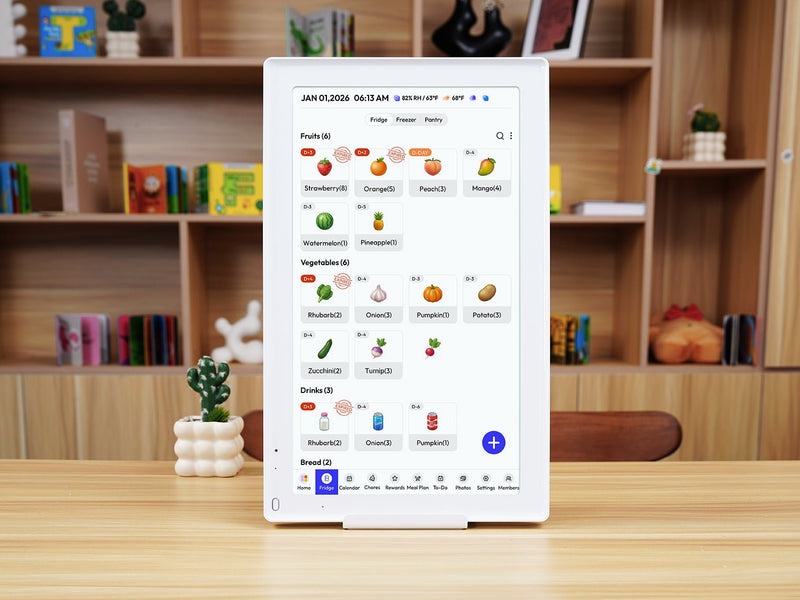
The defining feature of a quality calendar stand is its visual design. A sleek, minimal profile doesn’t compete with the calendar itself or the surrounding workspace. Instead, it integrates cleanly into a desk setup, reinforcing rather than disrupting the organized environment students need. This matters more than it might seem: a cluttered or visually busy desk accessory undermines the very calm it’s supposed to support.
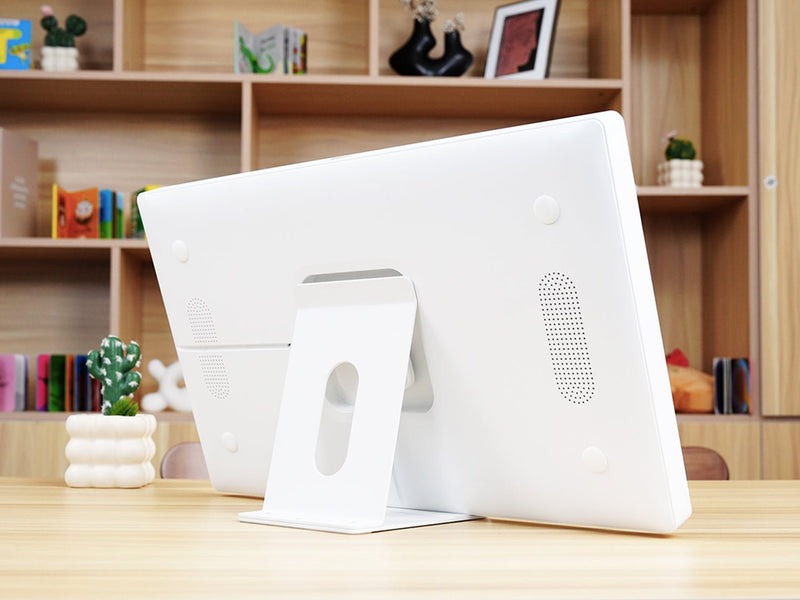
Stability is where many stands fall short — and where built-in weight makes a meaningful difference. A calendar stand with weight stays firmly in place when you flip pages, jot quick notes, or accidentally brush against it. There’s no wobbling, no tipping, no moment of distraction as you reach to steady it. That physical stability translates directly into mental continuity during a study session, keeping your attention where it belongs.
Equally important for busy students is how quickly a stand can be ready to use. An easy setup calendar holder that requires no tools, no complicated assembly, and no instruction manual removes a common friction point. You unbox it, position it, and it works — immediately becoming part of your routine rather than a project to complete before you can start studying.
Together, these features — clean aesthetics, weighted stability, and effortless assembly — solve the practical problems that make desk organization feel burdensome. A well-designed calendar stand doesn’t just hold your planner; it actively reduces the small interruptions that accumulate into lost focus over a study session.
Addressing Student Needs: Solutions for Quick Setup and Stability
Quick Setup for Digital Calendars
Integrating a digital calendar with your stand takes less time than most students expect. Start by choosing one primary calendar app — platforms like Evernote, Google Calendar, or Apple Calendar work well — and consolidate all your academic deadlines, class schedules, and personal commitments into that single platform. Avoid splitting events across multiple apps, as this recreates the same fragmentation you’re trying to eliminate. Next, adjust your device’s display settings so the calendar view is the default screen that appears when you place it on the stand. Set the brightness to a comfortable reading level for your typical study lighting. If your stand accommodates a tablet, landscape orientation usually displays weekly or monthly views more clearly than portrait. Finally, enable offline access so your schedule remains visible even without an internet connection. The entire process takes under ten minutes and pays off immediately — every study session begins with a clear, accessible schedule rather than a scramble to locate your plan.
Stability During Use for Better Focus
A wobbly stand is a focus thief. Each time it shifts or tips, your attention breaks, and rebuilding concentration costs more time than the interruption itself. A calendar stand with built-in weight solves this at the hardware level, but placement decisions matter too. Position the stand toward the back-center of your desk, away from the edge where accidental bumps are more likely. Keep the surface beneath it clear so the base sits flat and the weight distributes evenly. On smooth desks, a small non-slip mat under the stand adds an extra layer of security without altering the aesthetic. When flipping calendar pages or tapping a touchscreen, press gently from the center rather than the corners to avoid rocking the stand. Periodically check that nothing has shifted the stand’s position during a session. These small habits, combined with a well-weighted stand, eliminate the micro-interruptions that silently erode sustained concentration over a long study block.
Practical Integration: Steps to Enhance Your Study Focus with Modern Desk Accessories
Bringing a sleek calendar stand into your study routine works best when it’s part of a deliberate setup rather than an afterthought. Start by clearing your desk completely — not just tidying, but removing everything that doesn’t serve your current study goals. This reset gives you a blank canvas to build an intentional workspace around your new anchor point.
Position your calendar stand at eye level and within easy sightline from your primary working position. You shouldn’t need to turn your head significantly or lean forward to read your schedule — the whole point is effortless visibility. Once placed, load your planner or device with the current week’s commitments before your first study session of the day, not during it. That five-minute morning ritual becomes a mental warm-up that primes your brain for structured work.
Next, select complementary modern desk accessories that reinforce rather than compete with your organized system. A single pen holder, a minimal lamp, and a small tray for essentials like highlighters or index cards complete the setup without reintroducing clutter. Every item on your desk should earn its place by serving a clear function during study sessions.
Build a simple workflow around the stand: glance at your calendar when you sit down, identify your priority task for the session, and set a timer before opening any materials. This sequence anchors each session with intention. At the end of each study block, spend two minutes updating tomorrow’s visible priorities on your planner — closing the loop and reducing the mental load you carry into the next day.
Track your focus improvements informally over two weeks by noting how often you feel interrupted or uncertain about your schedule. Most students find that the combination of visible planning and a stable, well-positioned stand measurably reduces that background anxiety, leaving more cognitive space for the work that actually matters.
Building Focus Through Structure and Smart Desk Tools
A sleek calendar stand might seem like a minor addition to your desk, but its impact on study focus is anything but small. By giving your home planner a stable, visible, always-accessible position in your workspace, it quietly eliminates the friction and mental clutter that chip away at concentration session after session.
Throughout this article, we’ve seen how physical home planners outperform digital-only alternatives for reducing cognitive load, how features like built-in weight and tool-free assembly make a calendar stand genuinely practical rather than just attractive, and how smart placement and simple habits translate stability into sustained focus. We’ve also walked through how to integrate this accessory into a deliberate daily routine — one that begins with intention and ends with reduced mental carry-over into the next day.
The students who struggle most with focus rarely lack motivation — they lack structure. A well-chosen calendar stand, paired with a quality home planner and a few complementary modern desk accessories, builds that structure into the physical environment where learning actually happens. You don’t need a complete desk overhaul to see results. Start with one clear anchor point, build consistent habits around it, and watch how much cognitive space opens up when your schedule is always visible and your tools stay firmly in place. That’s not a small win — it’s the foundation of lasting academic productivity.
