Frozen beverages have become a staple in food service, with snow cones, slushies, and icy drinks drawing in customers of all ages. From casual diners to dedicated dessert shops, establishments across the country are capitalizing on the demand for refreshing, customizable drinks that keep customers coming back. As the market for frozen treats continues to grow, restaurant and café owners are increasingly looking to expand their menus — but finding the right equipment to support that growth is easier said than done.
Choosing a snow cone maker for commercial use involves far more than picking the most affordable option on the shelf. The wrong machine can lead to frequent breakdowns, inconsistent output, and frustrated staff — all of which hurt your bottom line. The right one, however, can transform your drink menu, reduce wait times, and open the door to new revenue streams.
This guide is designed to walk you through every critical consideration, from understanding your business’s specific needs to evaluating machine features and long-term maintenance. Whether you’re launching a new concept or upgrading existing equipment, these insights will help you make a confident, informed decision that pays off for years to come.
Assessing Your Business Needs for a Frozen Drink Maker
Before investing in any frozen beverage equipment, it pays to take a hard look at what your business actually requires. A beachside snack stand serving families on hot summer days has very different demands than a full-service restaurant looking to round out its dessert menu. Understanding where your customers fall on that spectrum shapes every decision that follows.
Start by analyzing your customer demographics. Younger crowds and families tend to gravitate toward fun, customizable options like snow cones, while adult-oriented venues may see stronger demand for frozen cocktails or slushies. Knowing what your regulars want — and what might draw in new faces — helps you align equipment choices with genuine revenue potential rather than guesswork.
Menu expansion goals matter just as much. If you’re planning to offer a rotating lineup of seasonal flavors or specialty frozen drinks, you’ll need a machine flexible enough to handle that variety without constant adjustments or downtime. A narrow, single-purpose unit might work for a limited offering, but growing menus demand more versatile commercial slushy machines or frozen drink makers that can keep pace.
Space availability is another practical constraint that’s easy to overlook until the equipment arrives. Measure your counter space, factor in ventilation clearance, and consider how the machine fits into your staff’s workflow during peak hours. A unit that looks ideal on paper can become a bottleneck if it disrupts how your team moves through the kitchen or service area.
Finally, prioritize durability and reliability above all else. Commercial environments are unforgiving — machines run longer, harder, and more frequently than their residential counterparts. Choosing equipment built specifically for commercial use ensures it can handle sustained demand without faltering when you need it most.
Exploring Types of Frozen Drink Equipment: Snow Cone Makers and Beyond
Not all frozen beverage equipment is created equal, and selecting the wrong category of machine can leave you with a product that doesn’t match your menu vision or customer expectations. The market offers several distinct options — snow cone makers, slushy machines, frozen drink makers, and ice cream machines — each designed with specific outputs and business models in mind. Understanding how they differ is the first step toward making a smart investment.
Snow Cone Makers vs. Slushy Machines
Snow cone makers work by shaving or crushing blocks or cubes of ice into fine, fluffy layers that are then topped with flavored syrups. The result is a light, airy texture that’s a natural fit for outdoor events, fairs, and family-friendly venues. Slushy machines, on the other hand, blend water, sugar, and flavoring into a continuously churned frozen mixture, producing a smoother, more uniform consistency. That textural difference matters enormously when aligning your equipment with your drink menu. If your concept centers on nostalgic, customizable treats, a snow cone maker delivers the experience customers expect. If you’re aiming for a consistent, grab-and-go frozen beverage, a slushy machine is the more practical choice. Some businesses benefit from running both, especially when serving a broad customer base with varied preferences.
When to Consider Commercial Slushy Machines
High-volume settings — think stadiums, theme parks, or busy quick-service restaurants — are where commercial slushy machines truly shine. These units are engineered to produce large quantities continuously without requiring staff to manually prepare each serving, which dramatically reduces wait times during rushes. They also support greater beverage variety, since many models accommodate multiple flavor tanks running simultaneously. If your business sees consistent foot traffic throughout the day and you want to offer several frozen drink options without stretching your team thin, a commercial slushy machine provides the throughput and flexibility that a standalone snow cone maker simply cannot match.
Essential Features of a Reliable Commercial Snow Cone Maker
When it comes to commercial equipment, the features you prioritize at the point of purchase will determine how well the machine serves you six months — or six years — down the line. A snow cone maker built for sustained commercial use looks very different from a consumer-grade unit, and those differences show up in ways that directly affect your daily operations.
Construction quality is the foundation. Look for machines with stainless steel housings and food-grade components that can withstand constant use without corroding or degrading. Plastic-heavy builds may cost less upfront, but they rarely hold up under the pressure of a busy service environment. Motor power is equally important — a robust motor ensures consistent ice shaving speed even when demand spikes, preventing the sluggish output that frustrates staff and customers alike.
Ease of cleaning should be a non-negotiable requirement. Commercial kitchens operate under strict hygiene standards, and equipment that’s difficult to disassemble or sanitize creates compliance risks and slows down your team between rushes. Prioritize models with removable components and smooth surfaces that don’t trap ice residue or syrup buildup. Safety certifications — such as NSF or UL listings — signal that a machine has been independently tested for commercial food service use, which also matters for health inspections and insurance purposes.
Beyond construction, consider these practical performance factors when evaluating models:
- Capacity and output rate — measured in pounds of ice per hour, this determines whether the machine can keep pace with your busiest periods
- Energy efficiency — lower operating costs compound significantly over time in a commercial setting
- Brand reputation and parts availability — established manufacturers like Smartool, known for their commercial ice maker equipment, tend to offer more accessible replacement parts that reduce downtime when repairs are needed
Taken together, these features separate equipment that performs reliably for years from machines that become expensive liabilities after a single busy season.
Step-by-Step Guide to Selecting Your Ideal Snow Cone Maker
Knowing what features matter is only half the battle — translating that knowledge into an actual purchasing decision requires a structured approach. Rushing the selection process often leads to buyer’s remorse, especially when the machine you chose underperforms during your busiest season. Working through these steps methodically keeps the decision grounded in your business’s real needs rather than marketing claims.
Step 1: Set a Budget and Compare Models
Start by establishing a realistic budget that accounts for more than just the sticker price. Factor in installation costs, any required electrical upgrades, and ongoing operational expenses like energy consumption and consumable parts. Entry-level commercial snow cone makers can handle modest volume, but if your projections point toward high daily output, investing more upfront in a heavy-duty unit typically costs less over time than replacing a cheaper machine that burns out under sustained demand. Once you have a budget range, compare at least three to five models side by side. Look beyond specifications and examine what each machine actually delivers in a working environment — output consistency, noise level, and footprint all affect day-to-day operations in ways that spec sheets rarely capture. Pay close attention to commercial slushy machines if your menu calls for multiple frozen drink formats, since some units offer hybrid functionality that can serve both purposes without doubling your equipment spend.
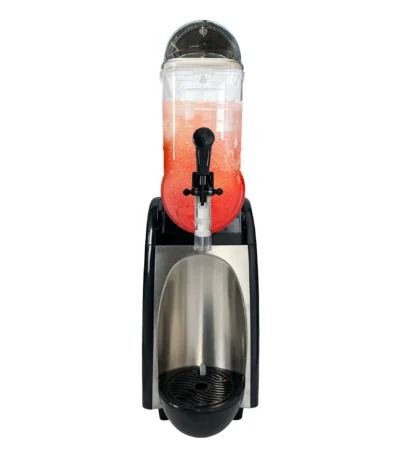
Step 2: Evaluate Durability and Maintenance Requirements
Once you’ve narrowed your list by budget, durability becomes the deciding factor. Request information on the materials used in the machine’s core components — the blade assembly, motor housing, and any parts that come into direct contact with ice or syrup. Stainless steel and food-grade plastics hold up far better in a commercial environment than standard consumer-grade materials. Equally important is how straightforward the machine is to maintain. Ask suppliers how long a typical cleaning cycle takes, whether replacement blades and parts are stocked domestically, and what the average service interval looks like under commercial use. Read verified customer reviews from other business owners — not consumers — since their experience reflects the conditions your machine will actually face. Finally, scrutinize the warranty terms carefully. A strong commercial warranty covering both parts and labor signals manufacturer confidence in the product and gives you a meaningful safety net if something goes wrong during peak operating periods.
Maximizing ROI with Proper Maintenance and Operation
Purchasing the right machine is only the beginning — how you maintain and operate it determines whether that investment pays off over the long haul. A well-maintained commercial snow cone maker can serve your business reliably for years, while a neglected one will cost you far more in repairs and lost revenue than you saved by cutting corners on upkeep.
Establish a daily cleaning routine from day one. Ice residue, syrup buildup, and mineral deposits from water accumulate quickly in commercial environments, and letting them sit degrades both machine performance and food safety standards. Train every staff member who operates the equipment on proper cleaning procedures, not just the basics — they should understand how to disassemble key components, sanitize contact surfaces, and reassemble the unit correctly before the next service period begins.
Beyond daily cleaning, schedule preventive maintenance checks at regular intervals. Inspect blade sharpness, motor function, and any seals or gaskets that show signs of wear before they fail during a busy shift. Keeping a small inventory of commonly replaced parts — blades, gaskets, and drive components — means minor issues get resolved immediately rather than forcing you to shut down while waiting on a shipment. Partnering with a local equipment service technician for periodic professional inspections adds another layer of protection, catching problems early that untrained eyes might miss. These proactive habits extend equipment life, reduce costly emergency repairs, and ensure your frozen drink offerings stay consistent and profitable season after season.
Making the Right Equipment Choice for Lasting Profitability
Selecting the right snow cone maker for your business is a decision that touches every aspect of your operation — from customer satisfaction to staff efficiency and long-term profitability. Throughout this guide, we’ve covered the foundational steps: assessing your business needs and customer demographics, understanding the differences between snow cone makers and commercial slushy machines, identifying the essential features that separate reliable commercial equipment from underperforming alternatives, and following a structured selection process that accounts for budget, durability, and maintenance demands.
The common thread running through each of these considerations is intentionality. Businesses that invest time upfront in evaluating their options — rather than defaulting to the cheapest available unit — consistently see better returns on their equipment spend. A well-chosen machine enhances your drink menu, shortens service times, and gives your team the tools they need to deliver a consistent product that keeps customers coming back.
Now is the time to put these insights into action. Start by auditing your current setup against the criteria outlined here, identify the gaps, and use this framework to guide your next equipment decision. Whether you’re opening your first location or scaling an established concept, the right frozen drink equipment can become one of your most reliable revenue drivers — season after season.
