As dawn breaks or dusk settles, hunters and outdoor enthusiasts face one of nature’s most unforgiving constraints: the human eye simply wasn’t built for darkness. Reduced visual acuity, the complete loss of color differentiation, and dangerously slow reaction times turn the most promising hunting window into a frustrating—and potentially unsafe—experience. Missing a target because you couldn’t distinguish it from the surrounding brush isn’t just disappointing; it’s a fundamental limitation that traditional scopes and handheld flashlights cannot adequately solve.
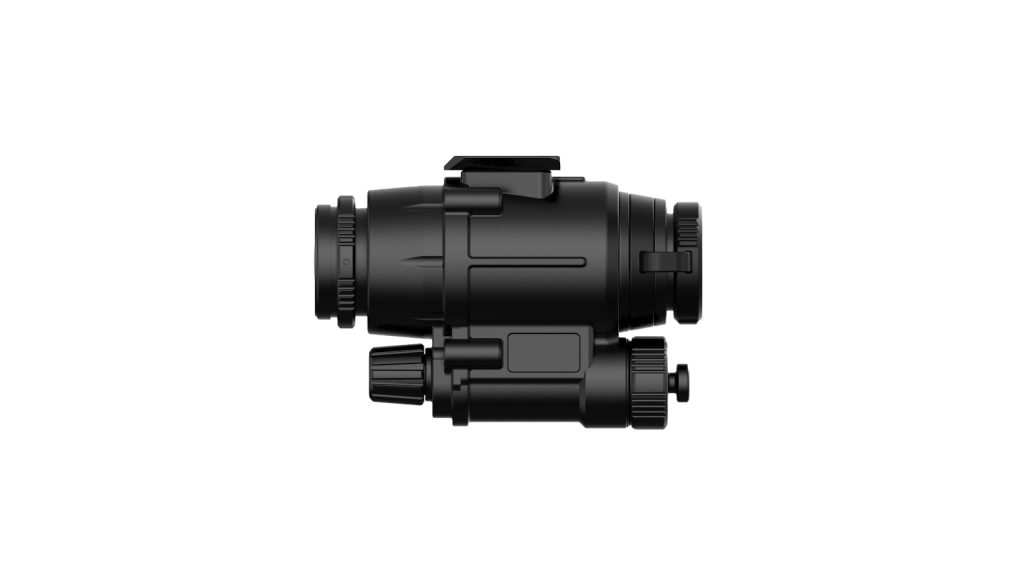
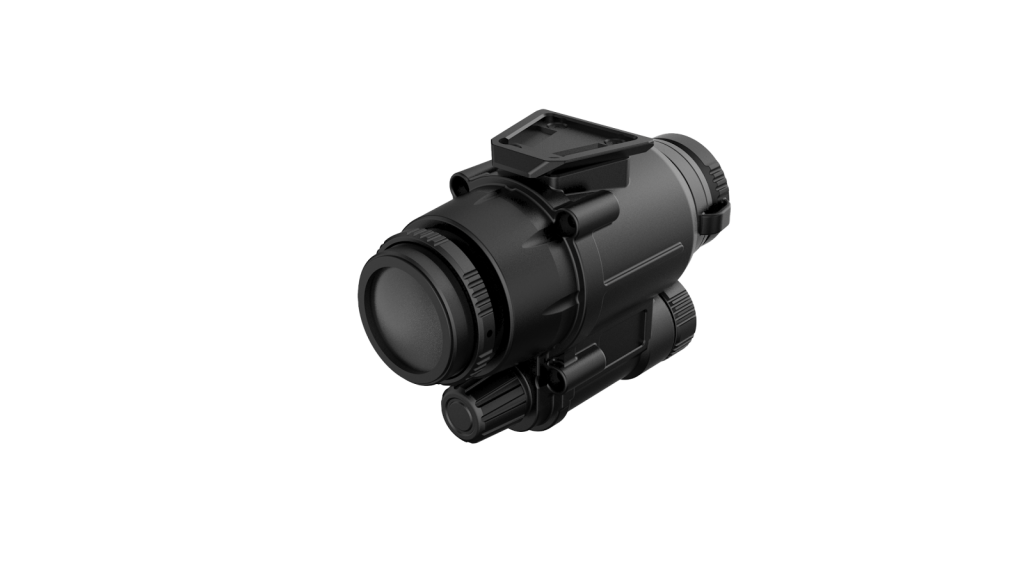
The helmet mounted sight system represents a genuine leap forward in addressing this challenge. By integrating advanced optical and digital technologies directly into a wearable platform, these systems free both hands while keeping critical visual data constantly in the user’s line of sight. At the heart of modern systems lie several breakthrough technologies: digital night vision sensors that amplify available light far beyond human capability, aspheric lens systems that deliver edge-to-edge image clarity, high-frequency 100Hz refresh rates that eliminate motion blur, and smart IoT connectivity that links the user to a broader informational network. Together, these components don’t merely compensate for darkness—they fundamentally transform how operators perceive, assess, and respond to their environment, turning low-light conditions from a liability into a manageable, even advantageous, operational window.
The Core Challenge: Human Vision vs. Low-Light Environments
The human eye is a remarkable instrument under daylight conditions, but its performance degrades sharply as light fades. Rod cells, which handle low-light vision, lack the density needed to resolve fine detail—meaning that the deer standing 80 yards away at dusk becomes an indistinct shape rather than a clearly identifiable target. Simultaneously, the brain’s processing of depth and distance becomes unreliable without adequate contrast, and reaction times to sudden movement slow considerably. Color vision effectively shuts down, stripping hunters of one of their primary cues for distinguishing game from background foliage.
For hunters, these biological limitations translate into real consequences. The golden hours around dawn and dusk—when game is most active—become the most visually demanding windows to work in. A missed identification can mean a missed harvest, but more critically, it can create genuine safety risks when hunters cannot confidently distinguish targets from other animals or people in the field. The stakes are simply too high to rely on guesswork.
Traditional workarounds fall short in predictable ways. Handheld flashlights and weapon-mounted lights illuminate a narrow cone while destroying the user’s peripheral awareness and announcing their presence to game. Conventional rifle scopes with larger objective lenses gather more light but still depend entirely on the eye’s own processing capability and require a static shooting position. Neither solution addresses the core need: continuous, hands-free, wide-field visual enhancement that moves with the operator. This gap is precisely where an integrated helmet-mounted system delivers what standalone optics cannot—persistent, wearable clarity throughout the entire low-light operational window.
Deconstructing the Technology: Key Components of a Modern System
Digital Night Vision: Seeing Beyond the Dark
Modern digital night vision sensors work by capturing available photons through a CMOS or CCD imaging chip, then electronically amplifying that signal to produce a viewable image on an integrated display. Unlike legacy Generation 1 through 3 image intensifier tubes—which rely on a physical photomultiplier process and are vulnerable to blooming when exposed to bright light sources—digital sensors handle sudden light changes gracefully, preventing the white-out effect that can temporarily blind a user at a critical moment. Digital architecture also enables seamless integration with recording, streaming, and overlay functions that analog tubes simply cannot support. For hunters, this means a system that performs reliably whether scanning a moonlit field or navigating dense timber where light levels shift unpredictably between shadow and open sky.
The Critical Role of the Aspheric Lens System
A standard spherical lens bends light unevenly across its surface, producing distortion and blurring toward the image edges—a significant problem when peripheral awareness is exactly what low-light hunting demands. Aspheric lenses correct this by varying their curvature across the surface, which eliminates spherical aberration and keeps the entire field of view sharp from center to edge. In practical terms, a hunter scanning a treeline sees consistent, undistorted detail across the full image rather than a sharp center surrounded by a soft, unreliable periphery. This wider, cleaner field of view accelerates target identification and reduces the cognitive effort required to interpret what the system is showing.
Why a 100Hz Refresh Rate is a Game-Changer
Refresh rate determines how many times per second the display updates its image. At lower rates—30Hz or 60Hz—fast movement produces visible smearing or lag between the actual scene and what the display renders. A 100Hz refresh rate effectively eliminates this gap, delivering smooth, near-instantaneous motion representation. When a deer breaks from cover or a bird flushes unexpectedly, the display keeps pace with reality rather than trailing behind it. This responsiveness is not a luxury; it directly reduces target acquisition time and prevents the disorienting visual stutter that can cause a hunter to misjudge a target’s trajectory or position during a critical window.
Integrating the Field: Smart IOT Connectivity
Smart IoT connectivity elevates the helmet mounted sight system from a personal viewing device into a networked field tool. Wireless data links enable live video streaming to a partner, guide, or base station, allowing real-time coordination without radio chatter that might spook game. GPS data overlays provide positional awareness and can mark waypoints directly within the user’s field of view. Some systems support remote configuration adjustments, letting a user modify brightness or zoom settings without breaking their scanning posture. For hunting parties operating across varied terrain, this connectivity transforms individual observation into shared situational awareness—each member’s perspective contributing to a collective picture that improves both safety and harvest outcomes.
Practical Solutions: How Hunters Can Implement This Technology
Step 1: Assessing Your Specific Needs and Environment
Before investing in a helmet mounted sight system, honest self-assessment pays dividends. Start by mapping your typical hunting terrain. Dense forest environments demand a wider field of view and stronger low-light amplification because available ambient light is further reduced by canopy cover. Open fields and prairie hunts, by contrast, benefit more from extended detection range and zoom capability since targets may be spotted at greater distances. Consider your primary quarry as well—fast-moving birds or deer that bolt from cover place a premium on refresh rate performance, while stalking slower game in thick brush prioritizes image clarity and peripheral accuracy. Write down your three most common hunting scenarios before you evaluate any specific system, because this list will anchor every purchasing decision that follows.
Step 2: Key Features to Prioritize During Selection
Once your environmental profile is clear, match it against the system’s core specifications. Hunters working in near-total darkness—deep timber, overcast nights—should prioritize sensor sensitivity above all else, since no lens or refresh rate compensates for a weak imaging chip. If your terrain involves frequent scanning across wide treelines or open ridgelines, the quality of the aspheric lens system becomes the deciding factor, directly determining how much useful detail you capture at the image edges. For any scenario involving fast-moving game, confirm the display operates at 100Hz rather than settling for slower alternatives. Finally, evaluate connectivity needs honestly: solo hunters may find GPS overlay sufficient, while guided or group hunts justify the full live-streaming capability. Resist the temptation to prioritize features you won’t use regularly over the ones your specific environment genuinely demands. Manufacturers like INFITAC have developed helmet mounted sight systems that address this full range of specifications, reflecting how the gun accessories market has responded to the growing demand for field-ready, integrated low-light solutions.
Step 3: Mounting, Calibration, and Field Integration
Proper mounting begins with selecting a helmet that provides stable, low-profile attachment points compatible with your system’s mounting rail or bracket. Once physically secured, adjust the display position so the eyepiece aligns naturally with your dominant eye without requiring you to tilt your head unnaturally—fatigue accumulates quickly when posture is compromised over hours in the field. Calibrate brightness and contrast settings during actual low-light conditions rather than indoors, since artificial lighting rarely replicates field conditions accurately. Critically, spend at least two or three sessions in familiar, safe terrain before your first hunt, practicing target identification drills and natural head-scanning movements until operating the system feels instinctive. The technology only delivers its full advantage when using it requires no conscious thought.
Real-World Benefits and Performance Outcomes
The most immediate gain hunters report is a dramatically extended operational window. Where legal shooting hours once dictated departure times, a capable helmet mounted sight system allows effective scanning and target identification well before legal light and deep into the evening hours—doubling or even tripling the productive time spent in the field during peak game activity periods. This alone represents a fundamental shift in how hunters can plan and execute their approach.
Detection range and identification accuracy improve in equally meaningful ways. Digital amplification combined with an aspheric lens system allows hunters to positively identify game at distances that would previously require moving closer—increasing the risk of spooking the animal. Confident identification at range means better shot selection, reduced wounding loss, and a measurably higher harvest rate across varied terrain types. The system essentially compresses the gap between spotting movement and making a reliable go/no-go decision.
Safety outcomes deserve equal emphasis. Low-light hunting accidents frequently stem from target misidentification—a consequence of inadequate visual information at a critical moment. When a hunter can clearly resolve an animal’s silhouette, confirm its species, and assess what lies beyond it, the margin for dangerous error shrinks substantially. The system’s persistent, hands-free operation also means both hands remain available for firearm control rather than managing a separate light source.
IoT connectivity adds a layer of situational awareness that individual optics cannot provide. Real-time video sharing allows a guide or partner to confirm a target identification simultaneously, functioning as an immediate second opinion during the decision window. GPS waypoint overlays prevent disorientation in unfamiliar terrain after dark, and shared positional data keeps hunting parties coordinated without vocal communication that would otherwise disturb game. Each of these benefits connects directly back to the original problem: transforming low-light conditions from a limiting factor into a fully manageable—and tactically advantageous—operational environment.
Turning Darkness Into a Tactical Advantage
Low-light target detection has long been the defining constraint of dawn and dusk hunting—a biological limitation that no amount of skill or experience can fully overcome without technological support. The human eye, however well-trained, simply cannot deliver the acuity, contrast resolution, and reaction speed that productive and safe low-light hunting demands. That gap is no longer something hunters must simply accept.
A modern helmet mounted sight system addresses this challenge not through a single innovation but through the deliberate integration of complementary technologies. Digital night vision sensors amplify available light without the fragility or blooming vulnerabilities of legacy tube systems. Aspheric lens optics eliminate the edge distortion that undermines peripheral awareness. A 100Hz refresh rate keeps fast-moving targets rendered accurately and without lag. Smart IoT connectivity extends individual perception into a shared, networked operational picture. None of these elements works in isolation—their combined effect is what transforms a dark, uncertain environment into one a hunter can read with genuine confidence.
For hunters and outdoor enthusiasts willing to invest in understanding and properly implementing this technology, the reward is substantial: longer productive hours in the field, more reliable target identification at distance, meaningfully improved safety margins, and the kind of situational awareness that turns low-light conditions from a liability into a genuine tactical advantage. The technology has matured to the point where it belongs in any serious low-light hunter’s kit.
