Windows play a central role in determining a home’s comfort, efficiency, and long-term durability. As modern homeowners increasingly seek quieter, cooler, and more energy-efficient living spaces, high-performance glazing has become a significant part of building design.
Among the many options available today, aluminium double-glazed windows and triple-glazing systems stand out for their insulation and comfort benefits. While both improve temperature control and reduce noise, they differ in structure, performance, and suitability for different climates.
Eternia Windows, engineered with Hindalco’s advanced Duranium alloy, offer a wide range of glazing options, including double- and laminated-glass combinations. Although Triple glazing is less common in India due to climate suitability and limited requirements, it is still essential to understand the differences so that you can choose the right type of window for your home.
This detailed guide explains how double and triple-glazed windows work, how they compare, and which system is ideal for Indian homes.
What Are Double Glazed Windows?
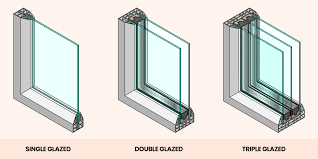
Double-glazed windows are constructed using two glass layers separated by an insulating gap filled with air or inert gas. This gap acts as a thermal buffer, slowing heat transfer.
Structure of double glazing:
- Glass pane 1
- Insulating air or gas layer
- Glass pane 2
- Aluminium frame with high-quality sealing
This construction makes double glazing one of the most popular solutions worldwide for energy efficiency and indoor comfort.
Key benefits include:
- Better insulation compared to single glass
- Reduced heat gain in summer
- Improved noise reduction
- Reduced condensation
- Enhanced durability
These advantages make aluminium-glazed window systems highly effective for bedrooms, living rooms, and balcony-facing spaces.
What Are Triple-Glazed Windows?
Triple glazing includes three layers of glass separated by two insulating gaps. This design increases both thermal and acoustic insulation.
Structure of triple glazing:
- Glass pane 1
- Insulating gap
- Glass pane 2
- Second insulating gap
- Glass pane 3
The two insulating chambers significantly slow down heat transfer and reduce sound penetration.
Key benefits include:
- Better insulation than double glazing
- Reduced noise penetration
- More consistent indoor temperature
- Improved energy efficiency in cold climates
Triple-glazed windows are widely used in colder regions around the world. In India, they are more suitable only in extreme climates, high-altitude areas, or luxury projects that require maximum insulation.
Double vs Triple Glazed Windows: Key Differences
Both types of glazing offer insulation benefits, but they differ in structure, cost, performance, and use cases. Understanding these differences helps homeowners make informed decisions.
1. Thermal Performance
- Double glazing provides strong insulation, sufficient for most Indian climates.
- Triple glazing provides higher insulation but may offer only a marginal improvement in moderate climates.
Because India experiences more heat than extreme cold, double glazing is generally considered practical and effective.
2. Noise Reduction
- Double glazing reduces outside noise significantly.
- Triple glazing improves acoustic insulation further when combined with laminated glass.
For homes near airports, highways, or construction zones, acoustic laminated glass combined with double glazing is often enough.
3. Weight and Frame Requirements
Triple-glazed windows are heavier and require stronger frames and a more robust installation. Aluminium frames, particularly those made with strong alloys like Eternia’s Duranium, can support both double- and heavier-glass systems without warping.
4. Cost and Complexity
Triple glazing is more expensive due to the extra layer of glass and the need for stronger support. The additional cost may not offer proportionate benefits in warm climates.
5. Suitability for Indian Homes
Double glazing is preferred for most Indian homes because:
- It provides strong insulation
- It reduces noise
- It offers energy efficiency
- It is more cost-effective
- It works well with aluminium systems
Triple glazing is more suitable for:
- High altitude homes
- Extreme cold regions
- Homes facing excessive noise
- Premium luxury projects requiring maximum insulation
Why Aluminium Frames Are Ideal for Double and Triple Glazing?
High-quality glazing must be paired with strong and durable framing. Aluminium-glazed windows offer the stability and structural support needed for these glazing systems.
Benefits of aluminium frames include:
- Strong support for large and heavy glass panels
- Resistance to corrosion
- Slim profiles that complement modern interiors
- Long-lasting structural integrity
- Compatibility with a wide range of opening styles
Aluminium double-glazed windows offer a perfect balance between strength, beauty, and comfort.
Eternia’s Duranium-based frames further enhance strength and stability. Their WiWA-certified performance for wind, water, and air sealing ensures long-term comfort even in high-rise or exposed locations.
Comparing Use Cases for Double and Triple-Pane Windows
It is essential to match the glazing type with your real-world needs.
Choose double glazing if:
- You live in a hot climate and want to reduce heat
- You need moderate to strong noise reduction
- You want energy-efficient windows without extra weight
- You want cost-effective insulation
- You live in a typical Indian city or suburb
Choose triple glazing if:
- You live in extremely cold regions
- You need maximum sound insulation
- You are building a premium, high-performance home
- You prefer the highest insulation at any cost
In India, double glazing remains the most practical option.
Glass Options That Enhance Performance
Whether you choose double or triple glazing, selecting the right glass type is essential.
- Toughened glass for safety
- Laminated glass for security and sound reduction
- Acoustic laminated glass for quieter interiors
- Tinted glass for solar control
- Frosted glass for privacy
- Switch glass for variable transparency
Aluminium systems can support all these glass types, making them highly adaptable.
Conclusion
Double and triple glazing are both superior to single glass, but they serve different needs. Double glazing is ideal for most Indian homes because it offers excellent insulation, noise reduction, and value. Triple glazing provides better performance but is better suited to colder climates or special requirements.
When combined with strong aluminium framing, especially premium systems like Eternia, aluminium-glazed windows deliver long-lasting comfort, safety, and modern styling. Whether you choose aluminium double-glazed windows or explore triple-glazed windows for specific needs, investing in the right glazing can significantly enhance your home’s comfort and energy efficiency.
