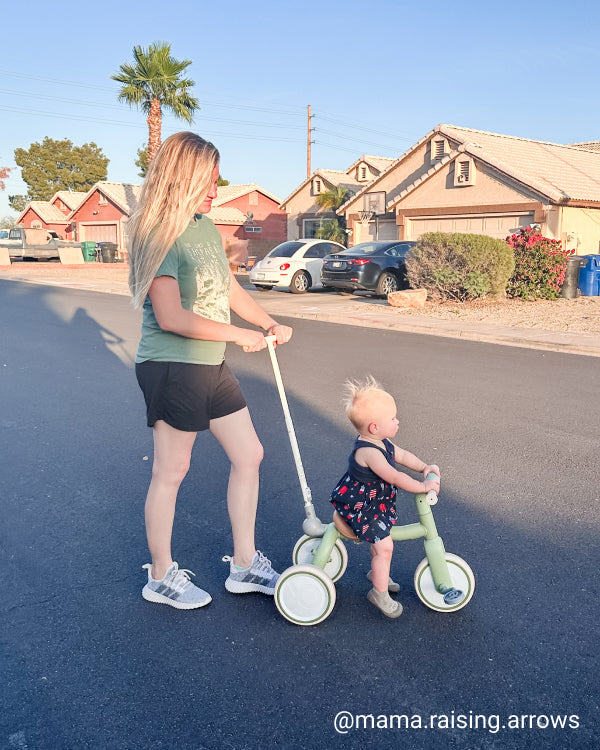
Watching your toddler take those first wobbly steps is magical, but helping them develop balance, coordination, and confidence requires the right tools. Safe riding toys play a crucial role in this developmental journey, offering more than just entertainment. These carefully designed toys support gross motor skills, strengthen leg muscles, and encourage independent movement while keeping your little one protected from unnecessary risks.
Finding riding toys that work seamlessly in both indoor and outdoor environments can be challenging for parents. You need equipment that won’t scratch your floors or take up excessive space inside, yet remains sturdy enough to handle sidewalks, driveways, and park paths. The market offers countless options, but not all meet the safety standards and durability requirements that toddlers demand. This guide cuts through the confusion to help you select riding toys that will grow with your child, provide genuine developmental benefits, and most importantly, keep them safe during every adventure whether they’re cruising through your living room or exploring the neighborhood.
Understanding the Need for Safe Riding Toys
Toddlers between 12 and 36 months experience explosive physical growth, and riding toys directly support this critical developmental window. During these formative years, children transition from tentative steps to confident running, jumping, and climbing. Safe riding toys accelerate this progression by challenging their balance systems and building the core strength necessary for more complex movements. When a toddler pushes a walker across the room or pedals a tricycle down the driveway, they’re not just playing—they’re developing spatial awareness, learning cause-and-effect relationships, and gaining the confidence to explore their environment independently.
The physical benefits extend beyond basic mobility. Riding toys engage multiple muscle groups simultaneously, strengthening legs, arms, and core muscles while improving cardiovascular endurance. This full-body workout happens naturally through play, making it far more effective than structured exercise for this age group. Children also develop hand-eye coordination as they steer, navigate obstacles, and adjust their speed. These skills create a foundation for future athletic activities and everyday tasks like writing and catching balls.
Safety considerations become paramount because toddlers lack the judgment to assess risks independently. Their developing brains haven’t yet formed the neural pathways needed for impulse control or danger recognition. Quality riding toys incorporate features like wide wheelbases, rounded edges, and non-slip surfaces that compensate for these developmental limitations. Investing in properly designed equipment prevents injuries while allowing children to push their physical boundaries in controlled ways, building both competence and confidence that will serve them throughout childhood.
Top Picks: Best Push Walkers for Babies
Push walkers serve as transitional tools that bridge the gap between crawling and independent walking, giving babies the support they need while encouraging forward movement. The most effective models feature adjustable resistance wheels that prevent the walker from rolling too quickly, allowing babies to control their pace as they build confidence. Look for walkers with wide, stable bases that won’t tip backward when your child pulls up to standing—this feature alone prevents countless tumbles during those early attempts at mobility.
Wooden push walkers consistently outperform plastic alternatives in durability and stability tests. Their natural weight provides better resistance against tipping, while solid construction withstands years of enthusiastic use from multiple children. Many wooden models incorporate activity panels with shape sorters, spinning gears, and bead mazes that keep babies engaged even when they’re not walking. These multi-functional designs maximize value by serving as both mobility aids and stationary play stations. The best wooden walkers use non-toxic finishes and have rubber-rimmed wheels that protect hardwood floors while providing adequate traction on carpet.
For families prioritizing portability and storage, lightweight walkers with folding mechanisms offer practical advantages without sacrificing safety. These models typically feature height-adjustable handles that accommodate growing toddlers from 9 months through 24 months. Quality lightweight walkers maintain stability through clever engineering—triangular wheel configurations and low centers of gravity compensate for reduced weight. Examine wheel quality carefully, as cheaper models use hard plastic wheels that slide unpredictably on smooth surfaces. Premium versions incorporate rubberized wheels with directional treads that grip various floor types while remaining gentle on surfaces. Storage compartments built into the walker body encourage imaginative play, letting toddlers transport favorite toys during their walking adventures while adding stabilizing weight to the frame.
Durable Tricycles for Indoor Use
Indoor tricycles require specialized design considerations that differ significantly from their outdoor counterparts. The primary concern is floor protection—metal frames with exposed wheels can scratch hardwood, scuff tile, and leave marks on vinyl flooring. Quality indoor tricycles address this through rubberized or foam-wrapped wheels that glide silently across surfaces while providing adequate grip to prevent sliding. These wheels typically measure smaller in diameter than outdoor versions, reducing the tricycle’s overall footprint to navigate hallways, doorways, and furniture-filled rooms. Compact designs with tight turning radiuses allow toddlers to maneuver through living spaces without constantly bumping into walls or getting stuck in corners.

Material selection plays a crucial role in indoor tricycle performance and longevity. Lightweight steel frames offer the ideal balance between durability and portability, allowing parents to easily move the tricycle between rooms or carry it upstairs. Powder-coated finishes prevent rust and resist the inevitable scratches that come with daily use. Seat construction matters equally—molded plastic seats with ergonomic contours provide better support than padded versions, which compress over time and become uncomfortable. The best indoor models feature seats positioned low to the ground, typically 8-10 inches high, enabling toddlers to place both feet flat on the floor for stability and easy mounting without adult assistance.
Safety features specific to indoor use include rounded handlebar ends with soft grips that won’t damage walls during inevitable collisions, and pedals with textured surfaces that keep socked feet from slipping. Avoid tricycles with protruding decorative elements or sharp corners that could catch on furniture or injure siblings during play. Stability remains paramount—look for models with wide rear axles that prevent tipping during sharp turns. Some premium indoor tricycles incorporate growth-adjustable features like telescoping handlebars and removable push handles that extend the usable age range from 18 months to 4 years. Weight capacity should accommodate at least 50 pounds to ensure the tricycle remains functional as your toddler grows, making it a worthwhile investment that serves through multiple developmental stages while maintaining structural integrity throughout years of indoor adventures.
Tricycles for Outdoor Strolls
Outdoor tricycles must withstand weather exposure, rough terrain, and the increased speed that comes with riding on sidewalks and paved paths. Construction materials determine longevity—steel frames with weather-resistant coatings outlast plastic models by years, maintaining structural integrity despite rain, sun exposure, and temperature fluctuations. Powder-coated or galvanized finishes prevent rust formation, while reinforced joints at stress points ensure the frame won’t bend or crack under the impact of curb bumps and uneven surfaces. Wheels designed for outdoor use feature pneumatic rubber tires or solid rubber construction with deep treads that grip concrete, asphalt, and packed dirt paths effectively. These larger diameter wheels, typically 10-12 inches, roll smoothly over small obstacles like sticks and pebbles that would stop smaller indoor wheels completely.
Safety features for outdoor tricycles include hand brakes or foot brakes that give toddlers control over their speed on sloped driveways and hills. Adjustable seats with secure harness systems become essential for outdoor models, as increased speeds and varied terrain create greater risk of falls. Look for three-point harnesses that keep toddlers securely positioned without restricting their pedaling motion. Visibility features like bright colors and reflective strips help drivers and pedestrians notice your child from a distance, particularly important during evening walks or cloudy days. Sturdy kickstands allow the tricycle to remain upright when parked, preventing damage and making it easier for toddlers to mount independently.
Storage and transport considerations matter for families who visit parks or travel with their tricycles. Models with removable parent push handles offer versatility, letting adults guide younger toddlers before they master pedaling while detaching cleanly once children gain proficiency. Foldable designs or quick-release wheels facilitate car trunk storage, though these convenience features shouldn’t compromise frame stability. Weight capacity for outdoor tricycles should exceed 60 pounds to accommodate growing children and the additional forces generated during outdoor riding. Sun canopies provide valuable protection during extended outdoor sessions, shielding toddlers from harmful UV rays while keeping them comfortable. Premium outdoor tricycles incorporate all-terrain capabilities with suspension systems that absorb shocks from bumpy paths, ensuring smooth rides that encourage longer exploration sessions and build your toddler’s confidence navigating the world beyond your front door.
Safety Tips for Choosing the Right Push Walker
Age appropriateness forms the foundation of push walker selection, as walkers designed for different developmental stages vary significantly in features and stability. Most push walkers suit babies between 9 and 24 months, but verify the manufacturer’s specific age recommendations. Younger babies around 9-12 months who are just pulling themselves up need walkers with maximum stability and slower-moving wheels, while toddlers approaching 18 months can handle faster-rolling models that challenge their improving coordination. Never purchase a walker for a child who cannot pull themselves to standing independently, as premature use can lead to frustration and potentially dangerous falls.
Weight limits deserve careful attention beyond just checking if your child falls within the range. Quality walkers support at least 35-40 pounds, providing a safety margin as your toddler grows and leans more heavily on the handle during active play. Test the walker’s stability by applying downward pressure on the handle at various angles—it should remain firmly planted without tipping backward or sideways. The handle height should position at your baby’s chest level when standing, allowing them to push with elbows slightly bent rather than reaching up or bending down, which creates unstable postures that lead to tumbles.
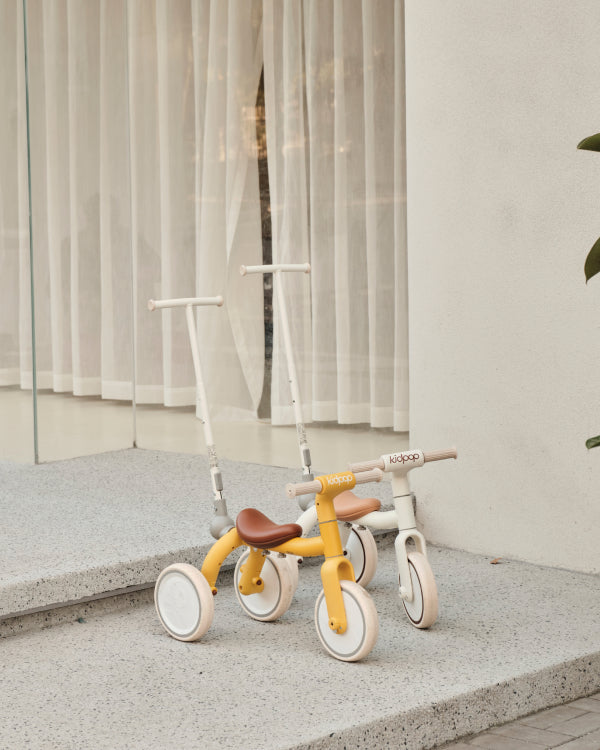
Wheel configuration directly impacts safety across different floor surfaces. Four-wheel designs with wide wheelbases offer superior stability compared to three-wheel models, particularly on carpet where tipping risks increase. Examine whether wheels feature resistance adjustment mechanisms that let you slow the rolling speed as your baby learns. Brands like Kidpop have incorporated adjustable resistance systems in their best push walker for baby designs, allowing parents to customize the rolling speed to match their child’s developing abilities. Check that wheels rotate smoothly without wobbling or sticking, and ensure any locking mechanisms engage securely for stationary play. Finally, inspect all edges and corners for sharp points or rough finishes, verify that small parts are securely attached and cannot detach to become choking hazards, and confirm the walker meets current safety certifications from recognized testing organizations before making your purchase.
Making the Right Choice for Your Toddler’s Development
Selecting safe riding toys for your toddler requires balancing developmental needs with practical safety considerations. Push walkers provide essential support during those crucial first steps, while indoor and outdoor tricycles offer progressively challenging opportunities for building strength, coordination, and confidence. The key lies in matching each toy to your child’s current abilities and your specific environment—whether that means choosing floor-friendly wheels for apartment living or weather-resistant frames for park adventures.
Prioritize stability, appropriate sizing, and quality construction over flashy features or trendy designs. The toys recommended throughout this guide meet rigorous safety standards while delivering genuine developmental benefits that extend far beyond simple entertainment. By investing in well-designed riding toys and following age-appropriate guidelines, you’re not just purchasing equipment—you’re providing your toddler with tools that foster independence, physical capability, and the joy of self-directed exploration. These foundational experiences shape how your child approaches physical challenges throughout childhood, making thoughtful toy selection one of the most valuable investments in their early development.
