Choosing the right loader attachments helps crews work faster, safer, and more efficiently on any job site. Each attachment serves a specific purpose, so selecting the correct one depends on project demands, material characteristics, and machine capability. By understanding these factors, operators can improve productivity and reduce wear. A smart selection ensures smooth performance, better handling, and long-term value from the equipment.
Identifying Project Needs and Material Characteristics
Matching Attachment Types to Specific Job Tasks
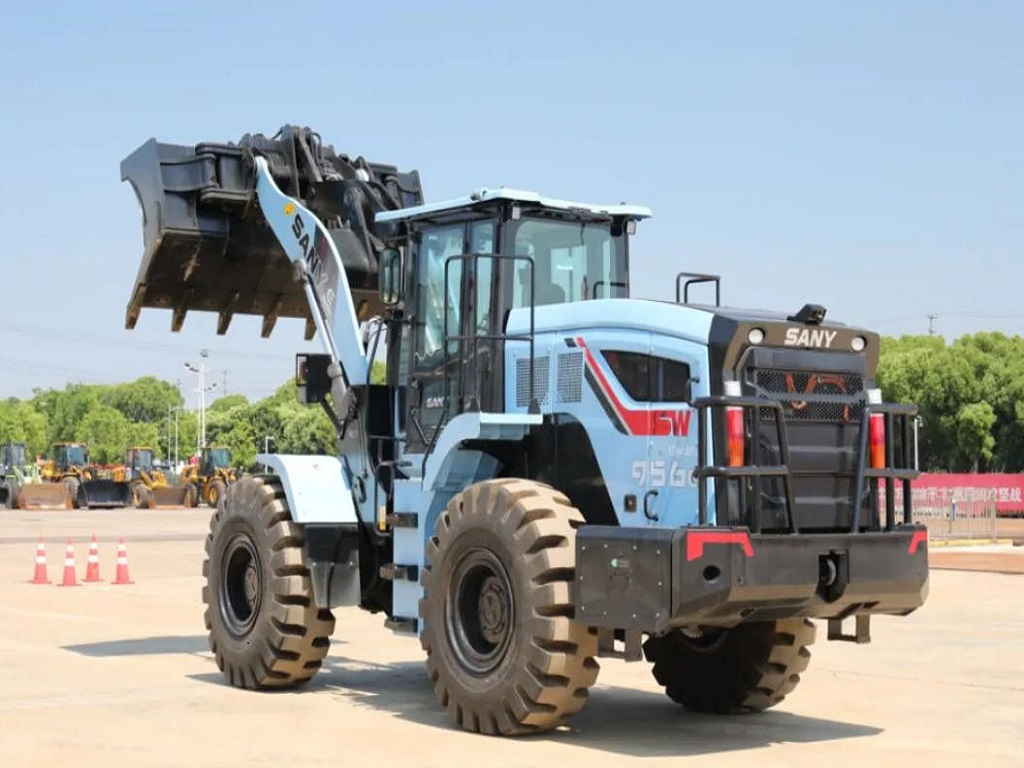
Each job requires attachments designed for specific tasks, such as buckets for loading, forks for lifting pallets, or grapples for handling debris. Choosing the right tool ensures efficient movement and safe operation. Identifying the task helps avoid unnecessary strain on the machine and improves cycle times. Attaching the correct tool also supports cleaner, more precise handling, improving project workflow and overall site productivity.
Considering Material Weight, Density, and Handling Needs
Material properties greatly influence attachment choice. Dense or heavy materials need reinforced buckets, while lightweight materials benefit from larger-capacity designs. Sticky or uneven loads may require specialty tools like high-dump or side-tipping buckets. Understanding material behaviour helps operators choose attachments that maintain balance, reduce spillage, and support safe lifting. Matching attachment strength to material demands prevents overload and improves machine performance.
Estimating Volume Requirements for Efficient Operation
Volume requirements determine how large or small the attachment needs to be. High-volume tasks demand bigger buckets to reduce cycle frequency. Precision or heavy-material tasks benefit from smaller attachments for better control. Estimating daily material movement helps select the right capacity to meet output goals. Proper sizing improves efficiency, avoids machine strain, and ensures consistent loading throughout the project.
Evaluating Attachment Compatibility and Machine Capacity
Checking Weight Limits and Hydraulic Power Demands
Attachments add weight and can increase hydraulic demand. Operators must ensure the loader’s lift capacity and hydraulic system can support the chosen tool. Exceeding limits reduces stability and risks component damage. Evaluating compatibility helps maintain safe performance under load. Checking pressure requirements, operating weight, and power needs ensures the attachment works smoothly without overworking the machine or compromising safety.
Ensuring Proper Fit With Couplers and Connection Systems
Loader attachments must connect securely using the correct coupler system. A mismatched fit leads to unsafe operation and reduces efficiency. Operators should confirm compatibility with quick couplers, pin-on mounts, or universal systems. A proper fit improves stability and allows quick changes between attachments. Ensuring the connection system matches the loader reduces downtime and keeps the workflow smooth throughout the job.
Verifying Safe Operation Within Rated Performance Limits
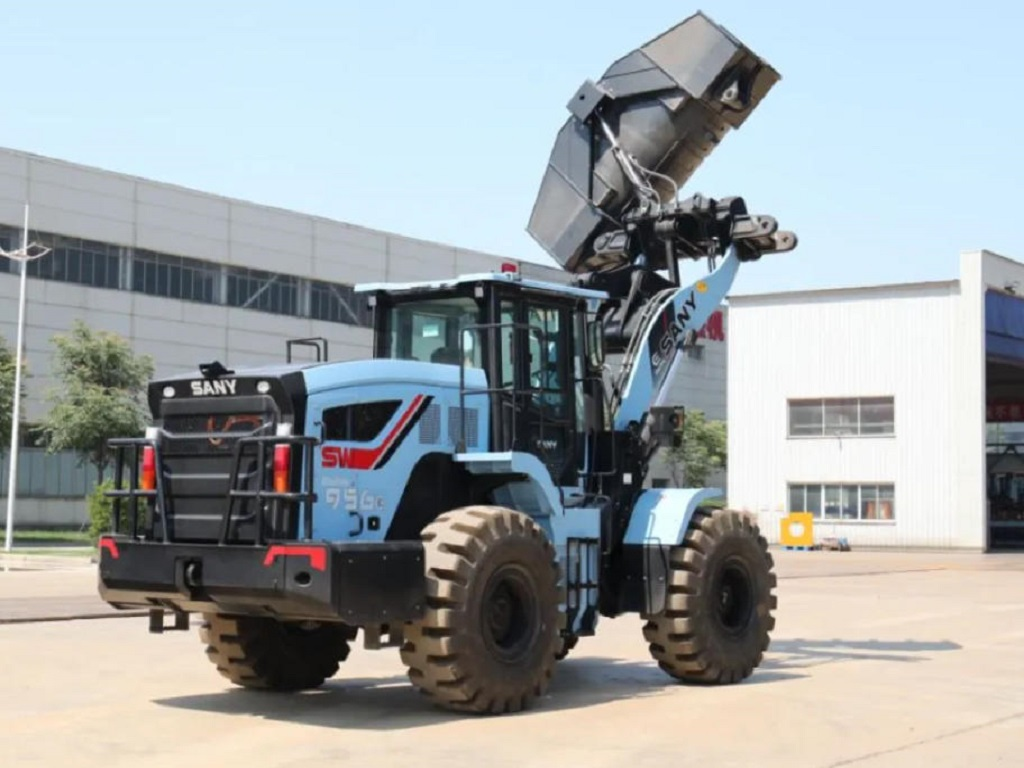
Each attachment has specific operating limits for load weight, movement, and lift height. Using the tool outside these limits increases the risk of failure and creates safety hazards. Operators must review manufacturer guidelines and match performance ratings to machine capabilities. Verifying safe limits ensures the attachment functions as intended. This careful approach protects equipment, reduces accidents, and maintains dependable performance during demanding tasks.
Enhancing Productivity Through Strategic Attachment Selection
Choosing Multi-Purpose Tools for Flexible Jobsite Use
Multi-purpose attachments such as 4-in-1 buckets or adjustable forks allow crews to perform multiple tasks without switching tools. These attachments improve workflow and reduce delays caused by equipment changes. They provide strong versatility for dynamic job sites where needs shift throughout the day. Selecting multi-purpose options helps maximise productivity and reduces the total number of attachments required for a project.
Selecting Specialized Attachments for Precision Tasks
Some tasks demand specialised attachments that offer greater control and accuracy. Grapples handle loose debris, high-dump buckets support loading into tall hoppers, and snow blades assist seasonal operations. Selecting specialised tools ensures high precision and improves job quality. These attachments help operators perform difficult tasks safely and efficiently. Using the right tool avoids rework and supports smoother operations on complex projects.
Reducing Cycle Times With High-Capacity Designs
High-capacity attachments reduce the number of cycles needed to move materials, increasing output and saving time. Larger buckets or extended forks improve efficiency when working with lightweight or high-volume loads. Reducing cycle frequency lowers fuel use and minimises wear. Selecting high-capacity designs helps crews finish tasks faster and maintain strong productivity, especially on large construction or industrial operations.
Considering Durability, Maintenance, and Cost Factors
Evaluating Wear Resistance and Build Quality
Attachments experience heavy wear, so strong build quality is essential. Reinforced steel edges, abrasion-resistant plating, and high-quality welds extend service life. Choosing durable attachments reduces breakdowns and supports reliable performance in tough conditions. Evaluating construction quality ensures the attachment withstands frequent use. A durable tool provides long-term value and lowers repair costs, especially for high-intensity material handling.
Estimating Maintenance Needs and Replacement Frequency
Different attachments require varying levels of maintenance. Buckets may need edge replacements, while hydraulic tools require regular seal and hose checks. Estimating maintenance needs helps crews plan for downtime and avoid unexpected failures. Understanding replacement frequency also influences cost planning. Choosing low-maintenance attachments improves uptime and reduces long-term operational expenses, making the worksite more productive and cost-efficient.
Balancing Upfront Cost With Long-Term Value
Upfront cost should be weighed against expected lifespan, maintenance demands, and productivity gains. Cheaper attachments may wear out quickly or limit performance, leading to higher long-term costs. Premium attachments offer greater durability and better efficiency. Operators should consider the total cost of ownership when selecting tools. Balancing price and value ensures the best return on investment and consistent job-site performance.
Conclusion
Choosing the right loader machine attachments requires understanding project tasks, material characteristics, and machine compatibility. Evaluating durability, hydraulic demands, and productivity goals helps identify the best tools for efficient operation. Whether selecting multi-purpose or specialised attachments, considering long-term value ensures reliable performance. With the right choices, crews improve workflow, reduce downtime, and enhance job-site efficiency across all stages of the project.
